Getting To Key West For A Fishing Charter: Every Route Compared
Key West sits at the end of a 113-mile island chain, reachable by one highway, one small airport, and the occasional cruise ship. The route you pick shapes when you can be on the water, and a fishing charter adds a few planning steps most visitors skip.
Short answer
You can reach Key West by driving the Overseas Highway (US-1) from Miami, flying into Key West International Airport, or arriving on a cruise ship. For a fishing charter, plan around your arrival dock, a Florida saltwater fishing license (a non-resident 3-day license is $17), and charter departure points like City Marina's Charter Boat Row.
Key West is the last stop on a chain of islands strung off the southern tip of Florida, and everything about getting there follows from that geography. There is exactly one road in, a compact airport a short ride from Old Town, and a cruise port that delivers thousands of visitors a week for day visits. Each of those arrival modes works differently when the purpose of the trip is a fishing charter, because charters leave from specific docks at specific times, and a missed window can mean a missed day on the water.
This guide compares the real routes, the departure points fishing charters actually use, and the planning steps that matter before you book: licenses, seasons, and how your arrival day interacts with a morning departure. The Key West Fishing Tours editorial desk compares the routes the way we compare charters, by what each one actually gets you.
What Are The Best Ways To Get To Key West?
The three practical routes are driving the Overseas Highway (US-1) down from mainland Florida, flying directly into Key West International Airport, and arriving as a cruise passenger at the Port of Key West. Driving suits travelers who want flexibility and a road trip; flying is fastest; cruising rarely allows enough time for a fishing charter. Most charter anglers either drive or fly.
Each route serves a different kind of fishing trip. Drivers control their own schedule, which matters because many charters depart early in the morning, and they can bring rods, coolers, and gear without airline baggage fees. Flyers land minutes from the Historic Seaport and can be at a dock within the hour, but they travel light. Cruise passengers face the hardest constraint: ships typically spend limited hours in port, and a four- or six-hour charter plus check-in and transit rarely fits inside that window.
There is a fourth option people ask about, the ferry services that once connected Fort Myers Beach to Key West. Scheduled passenger ferry service has not operated on that route in recent years, so it should not be part of a current plan. If a service resumes, it would still arrive at the same downtown waterfront as the cruise ships, with the same time constraints.
The right route also depends on what you book. A private backcountry charter like the "Private Backcountry, Coolers Included" trip from Recon Sportfishing, rated 5.0 across 19 reviews and from $800 per group for up to 4 anglers, departs from a specific marina, so you need to know your dock before you plan your drive or flight. The planning sequence that works is: book the charter first, learn its departure point and time, then arrange travel around it.
Is Driving The Overseas Highway The Best Option For A Fishing Trip?
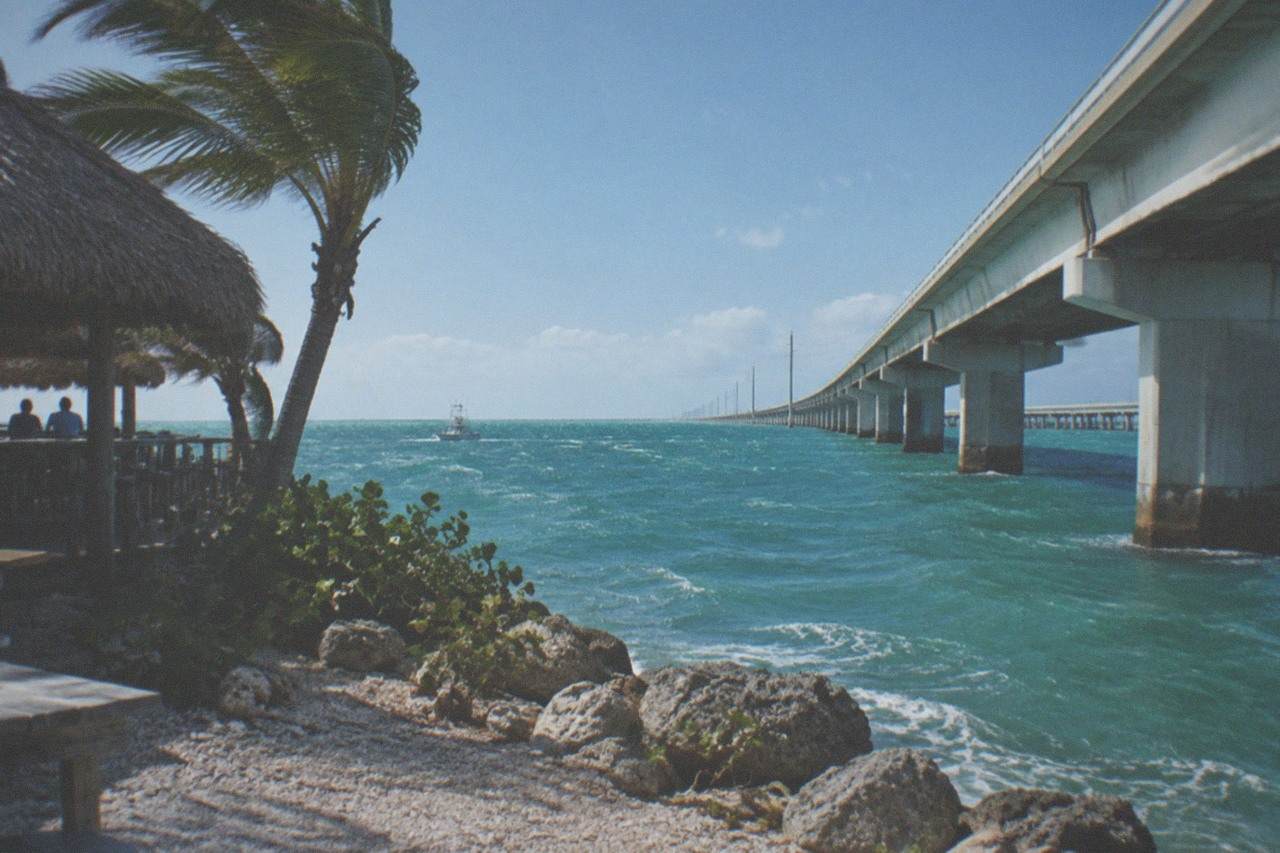
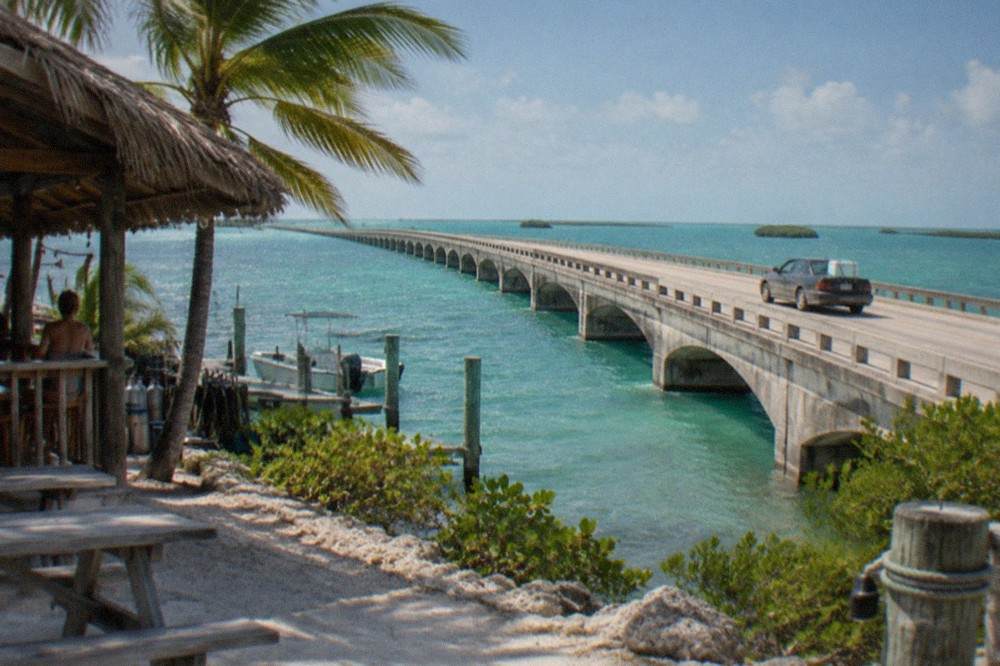
Driving US-1 from Miami to Key West is the best option for anglers who want to bring their own gear, set their own schedule, and stop at fishing landmarks along the way. The highway crosses 42 bridges, including the Seven Mile Bridge, and delivers you directly to Key West with a car for the week. The tradeoff is a full day of driving each way.
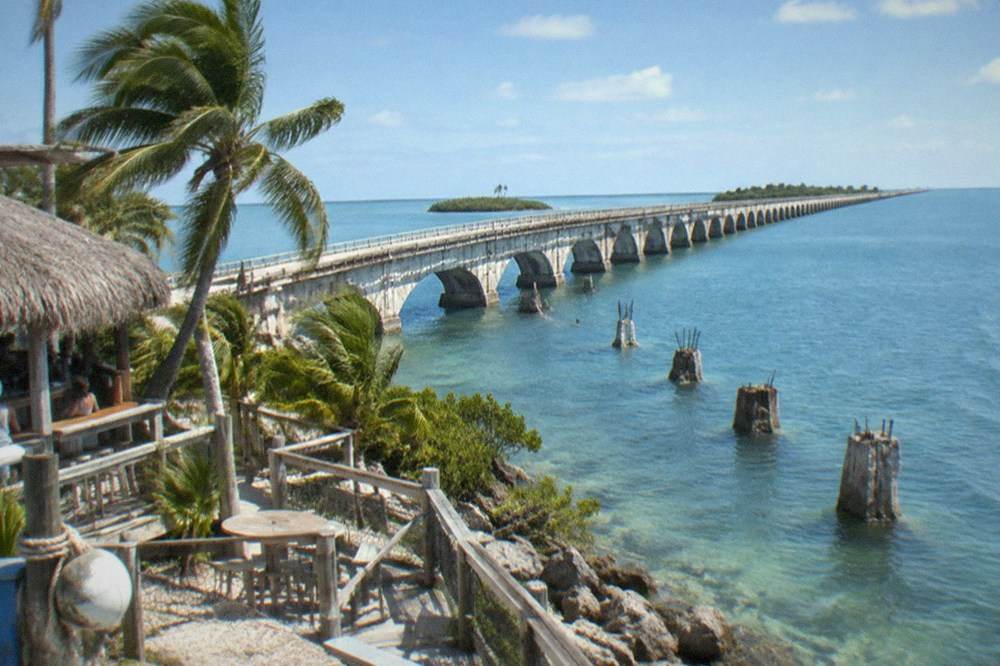
The Overseas Highway is one of the most scenic drives in the United States, running island to island over open water for most of its length. For a fishing-focused trip the drive has a practical benefit beyond scenery: no baggage limits. Rods, tackle boxes, wading gear, and an empty cooler for the ride home all fit in a trunk. Many anglers also break the drive with a fishing stop, and the route passes through real fishing territory, including Ramrod Key at Mile Marker 27, where Mile Marker 27 Fishing Charters runs its "Tarpon Flats Charter, Ramrod Key" trip, fishing depths of two to eight feet for tarpon, bonefish, and permit, rated 5.0 across 45 reviews and from $1,595 per group.
Drivers should plan the arrival day carefully. The drive from the mainland takes the better part of a day, and a charter that boards early the next morning means arriving the evening before at the latest. The single most common planning mistake on this route is scheduling a long driving day and a charter departure too close together, leaving no buffer for traffic on US-1, which narrows to one lane in several places through the Middle Keys.
Once you are on the island, a car is genuinely useful for reaching departure points outside Old Town. Not every charter leaves from the downtown waterfront, and parking near the smaller marinas is easier with your own vehicle (see Free Waterfront Key West). If you plan to extend the trip, our guide to where to stay in Key West for a fishing charter maps the neighborhoods against the docks.
If you already know your dates, the charters below pair well with a driving arrival, since private group pricing rewards a full boat of your own people.
Is Flying Into Key West International Airport Worth It?
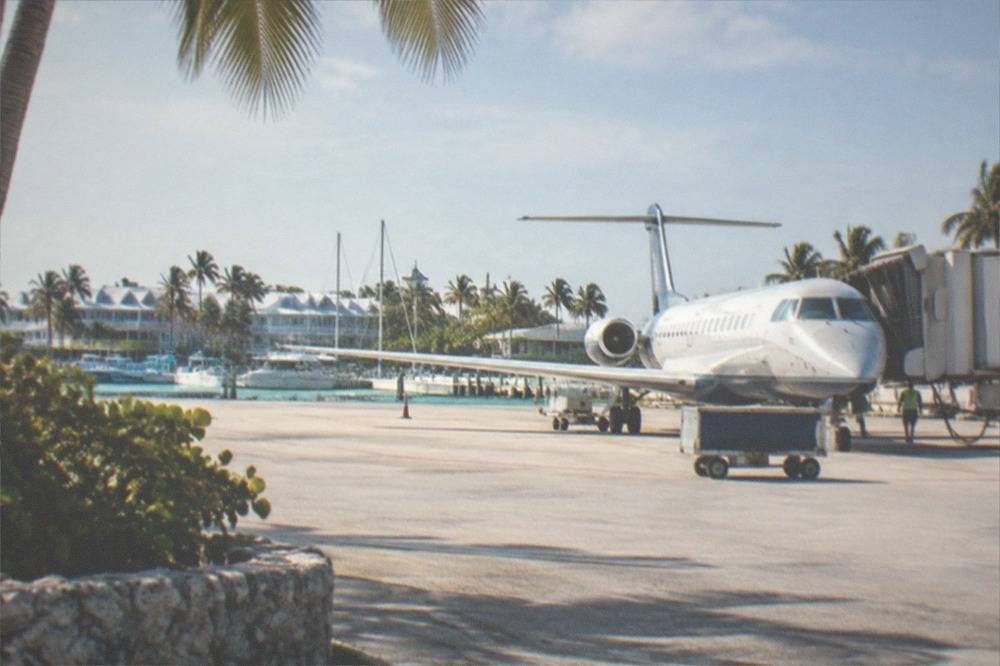
Key West International Airport (EYW) sits on the island itself, a short drive or taxi ride from the Historic Seaport and most marinas, making it the fastest route to the water. Flights connect through Miami, Fort Lauderdale, and other Florida hubs. The airport is small, security lines move quickly, and the main planning issue is that fares run higher than Miami and the schedule is limited.
For anglers whose time is worth more than the fare difference, flying wins outright. You can land in the early afternoon, be at a hotel in Old Town within twenty minutes of the curb, and board a morning charter the next day without a full day of driving on either end of the trip. The airport's size works in your favor: rental car pickup, rideshares, and taxis are all clustered close together, and the whole facility is walkable in minutes.
The limitation to plan around is gear. Airlines have their own policies on rod tubes and tackle, and checked-bag fees add up for a group. The good news is that nearly every charter on this site includes rods, tackle, and bait in the ticket price, so flying anglers can genuinely travel with just clothing and sunscreen. The "Private Bay Boat, Live Bait Included" charter from Live Action Sportfishing, rated 5.0 across 14 reviews and from $800 per group, includes rods, tackle, live bait, and license guidance, though anglers may still need their own Florida saltwater license, a format built for travelers who arrived by air.
Flyers should still build a buffer day. Afternoon thunderstorms in summer can delay Florida flights, and a charter booked for the morning you land has no slack if the flight slips. The pattern that works: fly in the day before, fish the next day, fly out the day after. That also gives you time for the one planning errand every angler should do, covered in the license section below.
For a short fly-in visit, the shared formats are the easiest fit, because per-person pricing and set schedules match a tight itinerary.
Can You Fish On A Key West Cruise Stop?
A cruise stop in Key West rarely allows enough time for a fishing charter. Charters run four to six hours plus check-in and dock transit, while ships typically spend a limited number of hours in port. Cruise passengers who want to fish should book a private charter on a separate land-based visit, or treat the cruise stop as a scouting trip for a future fishing vacation.
This is the honest answer, and it is worth stating plainly because the alternative advice online is optimistic. A party boat trip like the "6-Hour Party Boat, Day or Night" run by Gulfstream Fishing, from $69.95 per adult, departs for six hours. Add the time to walk from the cruise port to the departure dock, check in, and return, and the total commitment exceeds what most cruise itineraries allow in Key West. The shorter shared catamaran trip, five hours from $95 per person, faces the same arithmetic.
That said, a cruise stop is a useful reconnaissance mission. You can walk the Historic Seaport, see the charter fleet at the docks, and get a feel for how close everything is, the cruise port, the marinas, and the departure points for party boats are all within a compact waterfront area. Many anglers first encounter Key West on a ship and come back later by car or plane specifically to fish.
Cruise passengers who insist on fishing during a stop do have one narrow option: some private charters can arrange shortened trips if the whole boat is booked, but this requires direct coordination with the operator and honest math about the ship's all-aboard time. Missing the ship over a snapper is an expensive trade.
Where Do Fishing Charters In Key West Depart From?
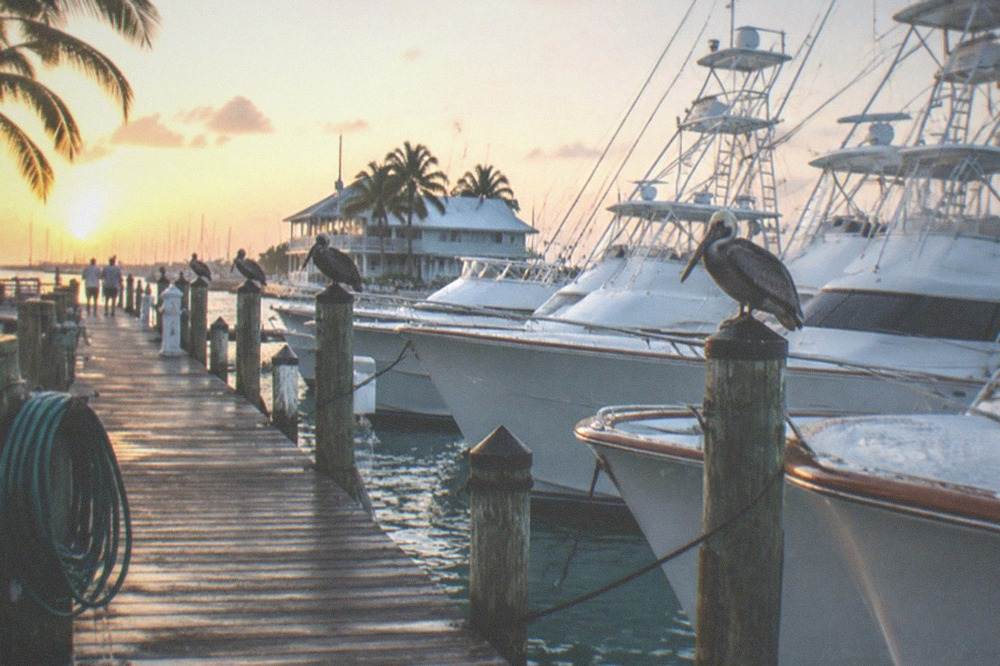
Key West charters depart from a handful of concentrated locations: the Historic Seaport and Charter Boat Row at City Marina, the Garrison Bight area, and nearby Stock Island marinas. The "Private Charter, Up to 6 People" trip departs from City Marina's Charter Boat Row specifically. Your booking confirmation should name the exact dock, and you should plan 20 to 30 minutes of travel time from most Old Town hotels.
The departure point matters more in Key West than in most ports because the island is small but the marinas are spread along its northern and eastern edges. Old Town, where most visitors stay, is walkable to the Historic Seaport, but charters leaving from Stock Island or the deeper-water docks require a short drive or rideshare. The "Private Charter, Up to 6 People" charter, rated 4.6 across 53 reviews and from $1,000 per group for up to 6 people, departs from City Marina's Charter Boat Row, one of the most central and easiest-to-find departure points on the island.
Some charters depart from outside the city entirely. The tarpon flats trip on Ramrod Key, about halfway up the Keys near Mile Marker 27, is a different logistics proposition: you either stay in the Lower Keys near the departure point or drive up from Key West on the morning of the trip. That changes both your lodging plan and your route choice, and it is exactly the kind of detail that should be settled before travel is booked, not after.
For the shared formats, departure is simpler. The 64ft shared catamaran and the party boat trips dock at established waterfront locations with parking or walk-in access, and their longer, fixed schedules mean check-in is a straightforward process. If your priority is the least possible logistics between your hotel and the boat, the shared formats win, and the per-person pricing means you are not coordinating a group of six to split a private rate.
The practical rule for any departure: confirm the dock in writing when you book, check it against your lodging, and if the two are more than a short drive apart, plan the morning route the night before. Charter captains hold schedules, and the boat leaves on time.
What Should You Plan Before A Key West Fishing Charter?
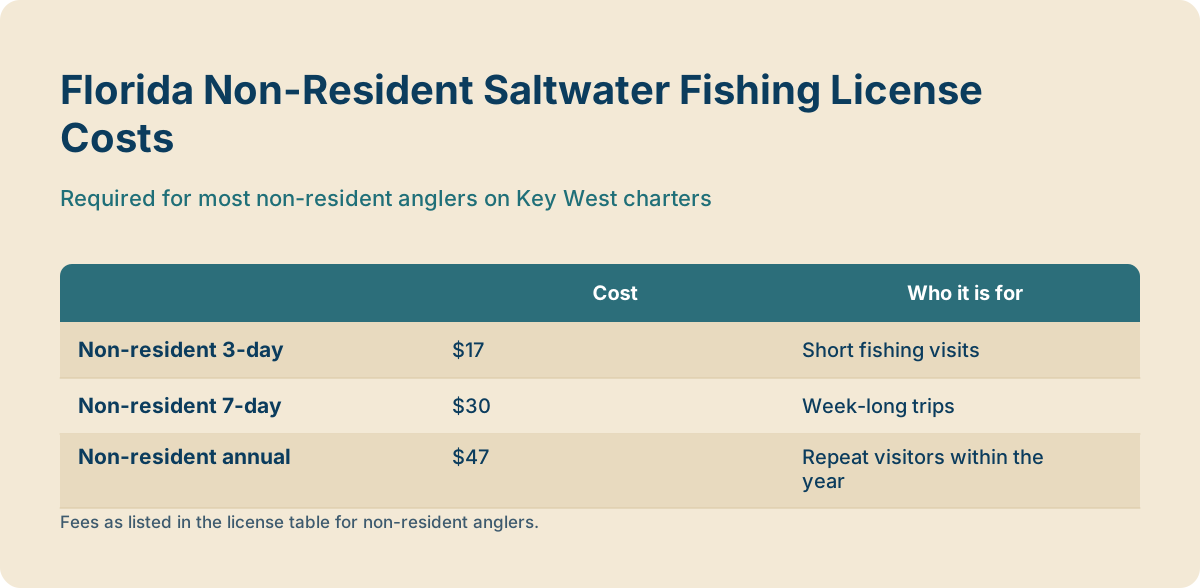
Before your charter, plan four things: your Florida saltwater fishing license, your gear and clothing, your timing against the seasons, and your food and water. The license is the item most visitors get wrong: a charter captain's license covers the boat's operation but does not exempt individual anglers, so most non-residents need their own license, with a 3-day license at $17, a 7-day at $30, and an annual at $47.
The license rule deserves emphasis because the marketing of many charters implies that everything is covered. Tackle, bait, and sometimes license handling are included in the ticket prices on this site's roster, but Florida law is specific: a licensed captain's for-hire vessel license covers the operation of the trip, not the individual anglers on it, unless they fall under a specific exemption. The fees are confirmed on the official FWC license page: non-resident 3-day licenses cost $17, 7-day $30, and annual $47, with resident annual licenses at $17. Buying online before the trip takes minutes and removes the last-minute scramble at the dock. Our full Key West fishing license requirements guide walks through exemptions and edge cases.
| License type | Cost | Who it is for |
|---|---|---|
| Non-resident 3-day | $17 | Short fishing visits |
| Non-resident 7-day | $30 | Week-long trips |
| Non-resident annual | $47 | Repeat visitors within the year |
| Resident annual | $17 | Florida residents |
| Snook / lobster permits | Additional | Only if targeting those species |
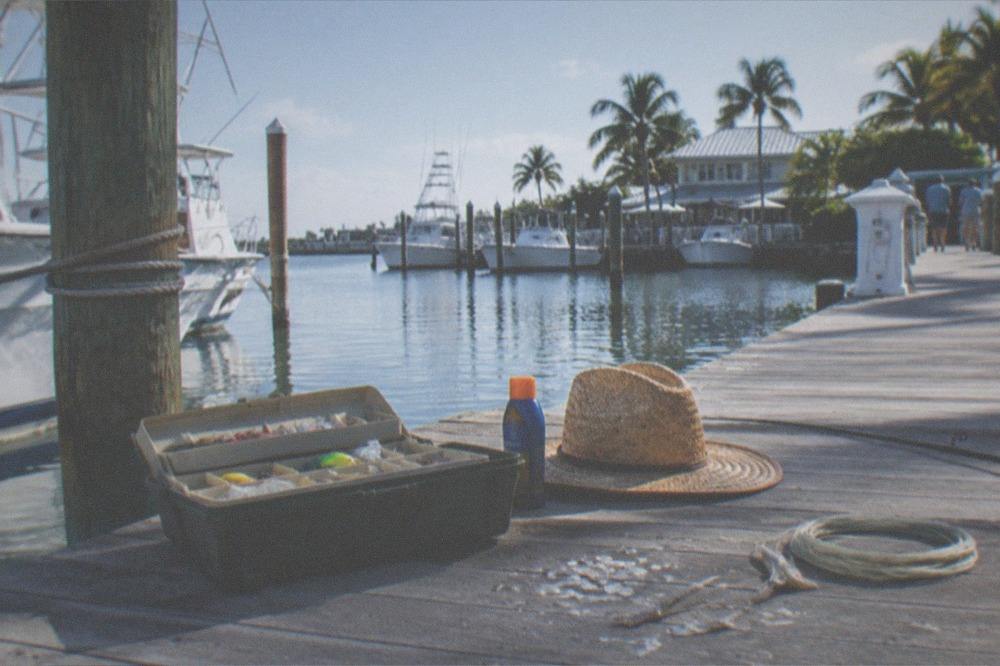
Gear planning is simpler than most expect, because the charters include it. Rods, tackle, bait, and coolers appear across the roster: the backcountry trips include gear, but bring your own Florida saltwater license, and the shared catamaran includes bait and even filleting of your catch. What is never included is personal comfort: sunscreen, a hat, polarized sunglasses, non-slip shoes, and motion sickness remedies are your responsibility. The what to bring on a Key West fishing charter guide has the full checklist, and seasickness deserves special attention for first-time offshore anglers, since four to six hours on open water is a long time to feel wrong.
Timing interacts with regulations more than visitors expect. Tarpon fishing in Florida is catch-and-release only statewide, and fish over 40 inches must stay in the water, rules detailed on the FWC tarpon page. Snapper and grouper limits shift by species and season, and grouper seasons in particular move by executive order, so the honest instruction is to check MyFWC.com before booking rather than memorizing limits. A good captain will brief you on what is open that day, but knowing the basics beforehand makes the briefing useful instead of confusing.
One more planning item belongs to the sanctuary, not the state. The Florida Keys National Marine Sanctuary maintains no-take zones marked by yellow buoys, and its boundaries were redrawn by the January 2025 Restoration Blueprint rule. Charter captains know the zones, but anglers who understand roughly where the Sanctuary Preservation Areas sit will follow the day's route better. Our sanctuary fishing rules explainer covers the zones in detail.
When Should You Time Your Trip Around Key West Fishing?
Time your arrival around what you want to catch. Tarpon peak from February through July with April and May strongest, mahi run April through June and again August through October, and sailfish peak November through March. Arrive the day before your charter, and if tournaments interest you, the 2026 Key West calendar includes the Key West Marlin Tournament July 22-25 and the Key West Sailfish Tournament March 26-28.
The season you target also changes the route decision. Spring tarpon anglers often stay in the Lower Keys near Ramrod Key to be close to the flats, while winter sailfish and snapper anglers are better based in Key West itself, near the offshore and reef departure docks. The month-by-month breakdown lives in our Key West fishing season by month guide.
| 2026 Key West-area tournament | Dates | Focus |
|---|---|---|
| March Merkin Permit Tournament | March 9-12 | Permit, fly fishing, invitation-only |
| Key West Sailfish Tournament | March 26-28 | Sailfish |
| Spanish Fly Shark Tournament | April 2-4 | Shark |
| Viking Yachts Key West Challenge | April 8-12 | Billfish, offshore |
| Key West Marlin Tournament | July 22-25 | Blue marlin |
| IGFA Permit Invitational | September 29-October 2 | Permit, fly fishing |
Tournament weeks are a double-edged planning factor. They concentrate serious angling energy in town, and they fill marina slips, hotel rooms, and prime charter dates weeks in advance. If you want to watch the weigh-ins, book early. If you want quiet water and easy availability, book around them.
The other timing rule is simpler and more important: never schedule your charter for the day you arrive. Whether you drive US-1 or fly into EYW, arrival days absorb delays, and a missed charter is usually a lost charter. Build the trip so travel and fishing never share a day, and the whole plan becomes stress-proof.
How Many Days Do You Need In Key West For Fishing?
Plan at least three days on the island for a fishing trip: one to arrive and settle, one full day for the charter itself, and one buffer day for weather or a second trip. Anglers who want both a backcountry and an offshore experience should plan four or five days, since the two formats fish different water, target different species, and often depart from different docks.
The buffer day is not optional in a place where weather decides everything. Charter captains cancel or reschedule for safety when conditions turn, and a visitor with a hard departure the next morning simply loses the fishing day. A flexible third day converts a cancellation from a disaster into a reschedule.
| Trip length | What it realistically fits |
|---|---|
| 1 day (cruise stop) | No charter; walk the docks and scout |
| 2 days | One short charter, tight schedule, no weather buffer |
| 3 days | One charter plus arrival and buffer days, the workable minimum |
| 4-5 days | Two charters, backcountry plus offshore, relaxed pace |
Anglers with four or five days can pair formats meaningfully. A private inshore trip like the "Private Inshore, Channel Trolling" charter, rated 5.0 across 72 reviews and from $750 per group, fishes the backcountry channels for tarpon, shark, and snapper, while a private sportfisher like the "Private Sportfisher, Fighting Chair" trip, rated 4.8 across 114 reviews and from $1,000 per group for up to 6 anglers, runs up to 18 miles offshore for mahi and reef species. Those are two different days, two different skill sets, and two different memories, and they justify the extra nights.
The half-day versus full-day question interacts with trip length too. A short visit argues for half-day trips that leave the afternoon free; a longer stay can absorb a six-hour offshore run. Our half-day versus full-day charter comparison breaks down the tradeoff, and the shared formats make it easy to test the water on a first visit.
If all of this planning points you toward the simplest possible first trip, the shared catamaran format is the easiest on-ramp: one ticket, one dock, bait included; check the listing on license coverage, and a five-hour trip that fits almost any itinerary.
However you arrive, the charters below cover the three formats most visitors end up choosing.
Common Questions About Getting To Key West
What Is The Fastest Way To Get To Key West?
Flying into Key West International Airport is the fastest route, with the airport located on the island a short ride from the marinas. Driving from Miami takes most of a day, and cruise arrivals depend entirely on your ship's itinerary.
Do I Need A Fishing License If I Book A Charter In Key West?
In most cases, yes. A licensed captain's for-hire vessel license covers the operation of the trip but does not exempt individual anglers. Non-resident licenses cost $17 for 3 days, $30 for 7 days, or $47 for the year, and can be bought online from FWC before your trip.
Can I Go Fishing If My Cruise Ship Stops In Key West?
Usually not. Charters run four to six hours plus check-in and transit, which rarely fits inside a cruise stop's time in port. Treat a cruise stop as a chance to scout the docks for a future land-based fishing trip.
Where Do Fishing Charters Leave From In Key West?
Most depart from the Historic Seaport and Charter Boat Row at City Marina, the Garrison Bight area, or Stock Island marinas. Your booking confirmation names the exact dock; plan 20 to 30 minutes of travel time from most Old Town hotels.
Should I Book My Charter For The Day I Arrive In Key West?
No. Arrival days absorb flight delays, highway traffic, and check-in friction, and a missed charter is usually a lost charter. Arrive the day before, and keep a buffer day after the charter in case weather forces a reschedule.
Is It Better To Drive Or Fly To Key West For A Fishing Charter?
Drive if you want to bring your own gear and set your own schedule; fly if your time is short. Nearly every charter on this site includes rods, tackle, and bait, so flying anglers lose very little by traveling light.