What Are The Florida Keys National Marine Sanctuary Fishing Rules?
An honest explainer of the Florida Keys National Marine Sanctuary's no-take zones, spearfishing restrictions and the 2025 Restoration Blueprint changes, and what they mean for Key West fishing charters.
 By Key West Fishing Tours Editorial Desk, Key West fishing charter research and booking desk
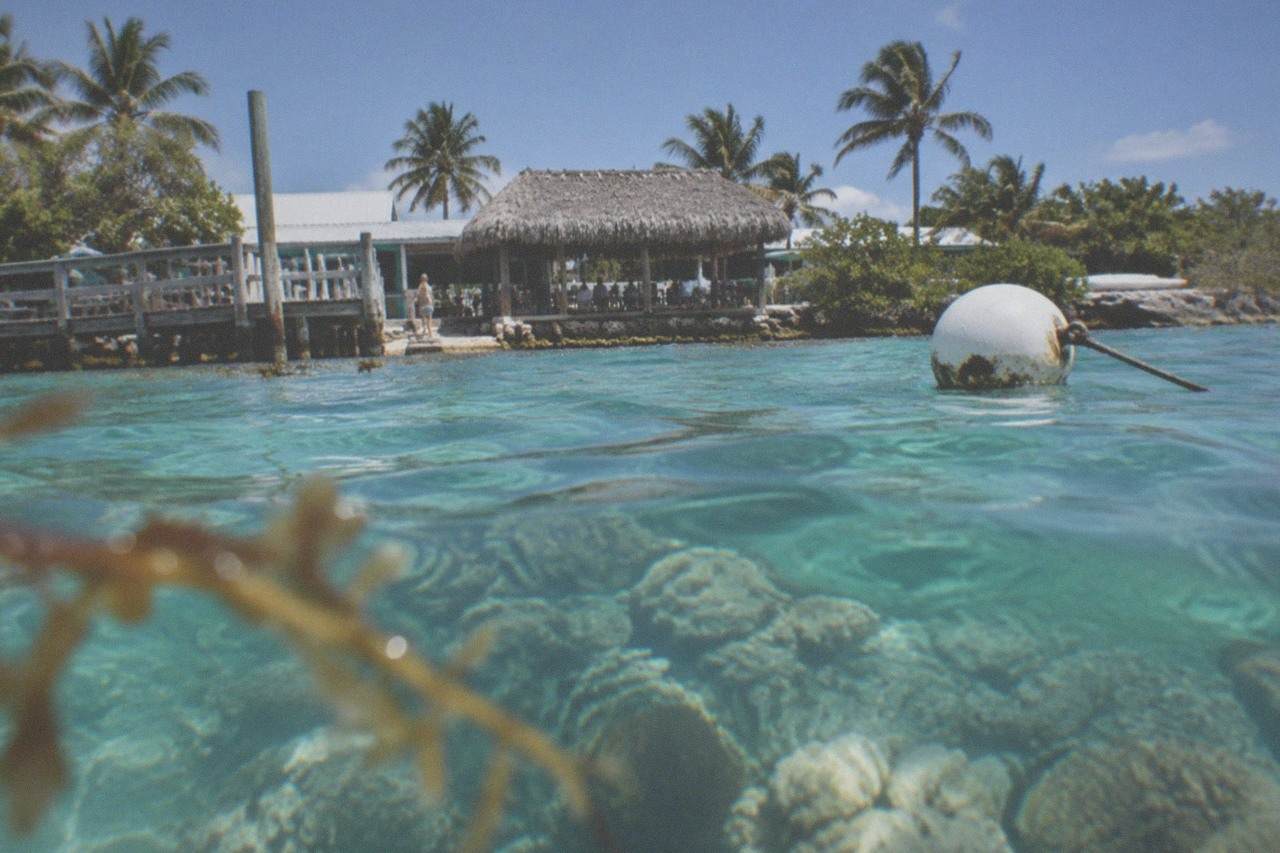
The Florida Keys National Marine Sanctuary is not a park with one gate and one rule. It is a designated stretch of ocean that covers the water around every key from just north of Key Largo out past the Dry Tortugas, layered with zones that decide where you may fish, how you may fish, and in some places whether you may drop a hook at all. For anglers booking charters out of Key West, the practical question is narrower than the whole sanctuary: which of these zones sit in the waters a charter actually fishes, and what happens if a boat drifts across a boundary that is marked, in the classic sanctuary style, by a yellow buoy rather than a fence.
This article walks through the rules as they stand after the January 2025 Restoration Blueprint, the NOAA final rule that expanded the sanctuary boundary and reshaped several zones. It draws on the sanctuary's own regulations page at floridakeys.noaa.gov, the Federal Register publication of the new rule, and Florida Fish and Wildlife Conservation Commission sources for the state rules that sit underneath the federal overlay. The short version: most ordinary charter fishing out of Key West is untouched, but the map has more no-take patches than it did two years ago, and a few of them are close to home.
What Are The Florida Keys National Marine Sanctuary Fishing Rules?
The sanctuary rules divide Keys waters into zones with different activity levels: Sanctuary Preservation Areas and Ecological Reserves where fishing and harvest are prohibited by any means, Wildlife Management Areas with speed and access restrictions, and Existing Management Areas with targeted bans such as spearfishing prohibitions. On top of the zoning, the sanctuary enforces general rules on things like anchoring and wildlife interaction, and every state and federal fisheries regulation still applies inside the sanctuary's boundary.
That last point is the one anglers most often miss. The sanctuary is not a fisheries manager in the way FWC or NOAA Fisheries is. It does not set snapper bag limits or tarpon rules; those come from the state and federal side and apply everywhere, sanctuary or not. What the sanctuary adds is spatial control: a network of zones where the taking of any marine life, fish included, is banned outright, plus gear and access restrictions in other zones. A charter fishing legally under FWC rules can still be in violation if it drops baits inside a Sanctuary Preservation Area, which is why working captains treat the zone map as seriously as the season chart.
The zones are marked on the water, usually by yellow buoys, and marked on paper at floridakeys.noaa.gov and in the sanctuary's Marine Sanctuary Explorer app, which shows zone boundaries over a live GPS position. The January 2025 Restoration Blueprint, published as a final rule in the Federal Register, expanded the sanctuary's overall boundary and added or adjusted several zones, including a new Turtle Rocks Sanctuary Preservation Area and the elimination of a catch-and-release trolling exception in Conch Reef SPA. NOAA describes the zoning framework as building on the 1997 original design, with implementation of some provisions, notably certain anchoring prohibitions, phasing in through 2027.
For a reader planning a fishing trip out of Key West, three categories matter most. The no-take zones, where no fishing is allowed. The spearfishing restrictions, which ban the activity across all Sanctuary Preservation Areas, both Existing Management Areas in the Keys, and a stretch of state waters in the Upper Keys. And the boundary change itself, which moved the line the sanctuary operates inside and therefore which patches of ocean the rules cover. Each of those gets its own section below.
If you are comparing charter formats while you read, the three products below span the main ways people actually fish these waters: a private offshore sportfisher, a private inshore bay boat, and a shared party boat.
Where Do The No-Take Zones Sit Around Key West?
The zones closest to Key West are the Western Sambo Ecological Reserve just east of the island and the Tortugas North and South Ecological Reserves far to the west, plus a scattering of Sanctuary Preservation Areas along the reef line. Inside these zones, fishing by any means and the harvest or possession of marine life are generally prohibited, and the boundaries are marked by yellow buoys.
Western Sambo is the one Lower Keys anglers should know cold. It sits a short run east of Key West Harbor, covers a shallow bank and reef tract that historically held heavy fishing pressure, and has been closed to all take since the original 1997 zoning. A backcountry charter working the flats east of the island plans its day around it. The Tortugas reserves, much farther west, are among the largest fully protected areas in the continental United States and mostly concern long-range trips rather than the standard half-day or full-day charter out of Key West.
Sanctuary Preservation Areas are smaller patches strung along the barrier reef, typically a few square miles each, placed over high-value coral spots. The 1997 rules allowed catch-and-release trolling in four of them, Conch Reef, Alligator Reef, Sombrero Reef and Sand Key, and the 2025 Restoration Blueprint eliminated the exception at Conch Reef. Sand Key SPA is the one closest to Key West, sitting off the reef a short distance southwest of the harbor, which is why reef trips out of Key West give it a wide berth rather than trolling its edges.
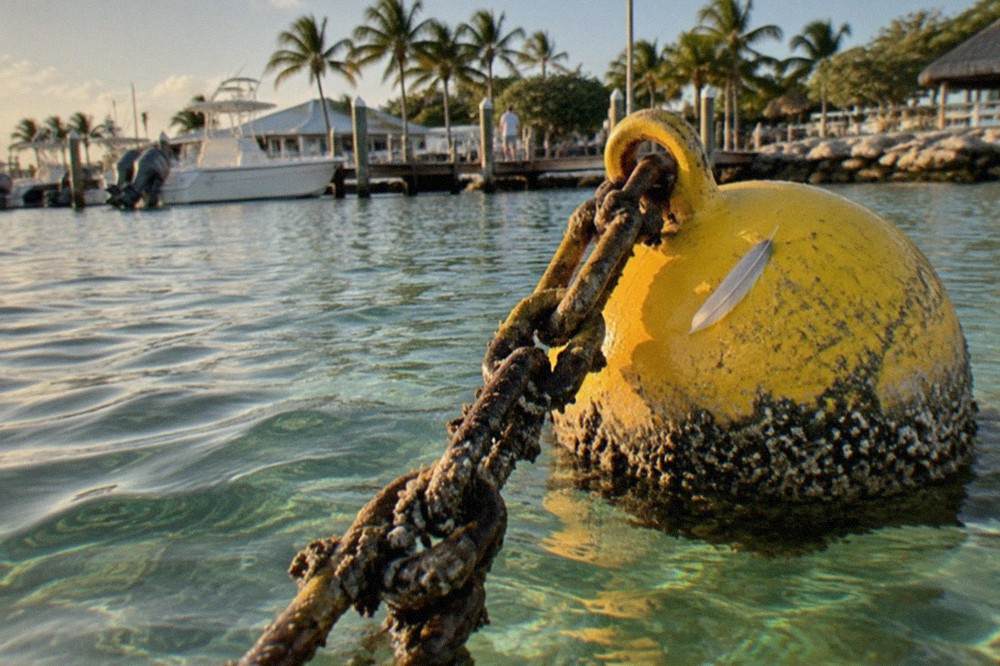
What "no take" means in practice is broader than fishing. The sanctuary's regulations page states that inside SPAs and Ecological Reserves it is generally prohibited to fish by any means, to harvest or possess marine life, and to disturb or remove anything, living or not. That includes lobstering, collecting shells, and in some zones even anchoring, though NOAA notes full anchoring prohibitions in most SPAs and restoration areas are delayed until 2027. A charter that hooks a fish outside a zone and fights it across the line is in a gray area captains prefer to avoid entirely; the standard practice is to steer away well before the boundary.
There are also Nursery Restoration Areas, a newer zone type carried in by the Restoration Blueprint, with fishing prohibitions similar to the SPAs, and Wildlife Management Areas, which mostly regulate boating behavior, idle speed, no-motor, no-anchor or no-entry, rather than fishing itself. The Wildlife Management Areas matter less to anglers than to birdwatchers and backcountry boaters, but a flats skiff crossing one at speed can still be cited.
For readers mapping a trip onto the zone network, the summary below covers the zone types an angler is realistically likely to encounter on a charter out of Key West.
| Zone type | Fishing | Typical location near Key West | What the boundary looks like |
|---|---|---|---|
| Sanctuary Preservation Area | Prohibited, all take; catch-and-release trolling only in a few named SPAs | Sand Key SPA off the reef southwest of Key West | Yellow buoys, small square or polygon |
| Ecological Reserve | Prohibited, all take | Western Sambo east of Key West; Tortugas North and South far west | Yellow buoys, larger polygons |
| Nursery Restoration Area | Prohibited | Newer sites designated under the 2025 rule | Marked per NOAA maps and app |
| Wildlife Management Area | Restricted by boating rules, not fishing bans | Backcountry and bird-nesting sites | Idle-speed or no-motor signage |
| Existing Management Area | Spearfishing prohibited; other fishing follows state/federal rules | Looe Key and Key Largo EMAs | Standard markers, rules by activity |
The honest planning advice is simple: nobody memorizes this. Captains do, because their licenses and livelihoods depend on it, and guests on a charter are effectively outsourcing zone compliance to the operator. Independent boaters and renters do not have that safety net, which is why NOAA pushes the Marine Sanctuary Explorer app so hard. If you are fishing from a rented boat rather than a licensed charter, download it before you leave the dock.
Which Charters And Fishing Styles Are Affected?
Nearly every legal Key West charter format operates in water open to fishing, since the no-take zones are discrete patches rather than blanket closures: offshore trips past the reef barely touch the zones, reef charters simply route around the barrier reef SPAs, and backcountry and flats boats work around Western Sambo. The formats genuinely constrained are spearfishing trips and any vessel that anchors or fishes inside a marked boundary.
Start with the offshore side. A private sportfisher like the deep-sea-fishing-big-fish charter, a 4-hour private trip running up to 18 miles offshore with outriggers, a fighting chair and a live bait tank, is fishing water that sits well outside the nearshore zone network. Rated 4.8 across 114 reviews and priced from $1,000 per group for up to 6 anglers, this is also the roster's reef-fishing anchor product: there is no dedicated reef-only tour on the books, so this is the trip that covers both deep sea and reef fishing in one booking. The reef portion of that kind of trip is where zone awareness kicks in, since the productive reef edges near Key West sit close to Sand Key SPA.
On the inshore side, the picture is similar but the margins are tighter. A private bay boat charter such as private-inshore-fishing-charter, a 4-hour trip on a 24ft Pathfinder targeting tarpon, permit, cobia, snapper and shark with rods, tackle and live bait included, from $800 per group; check the listing to confirm whether your personal Florida saltwater license is covered or needed, works the same shallows where Western Sambo sits. That is not a reason to avoid the format; it is a reason to use a licensed operator. The captain's route planning around the reserve is part of what the charter fee buys (see Getting to Key West).
Party boats interact with the zones least of all. The 6-hour party boat trip run by Gulfstream Fishing, from $69.95 per adult, with 335 reviews on file, runs set routes on open water, and the shared half-day catamaran charter, rated 4.5 across 505 reviews from $95 per person, fishes open bottom away from the marked reserves. For first-time anglers worried about accidentally fishing somewhere they should not, the large shared boats are the lowest-stakes option on the board.
Spearfishing is the one format the sanctuary rules effectively close out of the nearshore picture. There is no standalone spearfishing charter product currently bookable out of Key West on the major booking platforms, and the research behind this site suggests the category is genuinely unserved rather than merely missed: the sanctuary bans spearfishing in all SPAs, in both Existing Management Areas, and in certain Monroe County state waters, which shrinks the legally workable footprint enough that operators have not built products around it. Lionfish harvest is the exception the sanctuary carved out, allowed without a recreational saltwater license in many areas using approved gear, provided the diver respects the no-take zones like everyone else.
One more interaction deserves a sentence: anchoring. The Restoration Blueprint's anchoring prohibitions in most SPAs and restoration areas phase in through 2027, so a practice that is tolerated today in some spots may not be next season. Reef trips that anchor, rather than drift or troll, are the ones watching that rollout.
Wondering whether an offshore charter is the right pick for your dates? The deep-sea-fishing-big-fish trip can be reserved with a pay-later option and free cancellation on the operator's live listing, so you can lock a boat before your travel plans are final.
What Changed With The 2025 Restoration Blueprint?
The Restoration Blueprint, a NOAA final rule published in January 2025, expanded the sanctuary's overall boundary to roughly 3,622 to 4,539 square nautical miles depending on how associated areas are counted, added a new Turtle Rocks Sanctuary Preservation Area of about 2.5 square miles, adjusted the size of several existing SPAs, added no-anchor rules in places, and eliminated the catch-and-release trolling exception in Conch Reef SPA. Some anchoring prohibitions phase in through 2027.
The boundary expansion is the headline, but for Key West anglers it is the least operational change. The sanctuary already wrapped the Lower Keys and the water around Key West; the expansion pushes the line outward and formalizes the treatment of areas like the Tortugas region and the cruise-ship Area To Be Avoided. The source figures for the new size vary between roughly 3,622 and 4,539 square nautical miles depending on exactly which associated areas are included, which is why this article prints the range rather than a single number. The rest of the planning pages sit on Key West Fishing Tours.
The zone-level changes matter more day to day. Turtle Rocks SPA is new water closed to fishing. Some existing SPAs were resized, which matters because a captain's memory of where a boundary used to sit is now a liability. Conch Reef losing its trolling exception removes one of only four places in the sanctuary where catch-and-release trolling inside an SPA was allowed; three remain, including Sand Key, though that too is worth rechecking against the live maps rather than an article, including this one. NOAA's own guidance is that zone boundaries should be checked against the official Marine Sanctuary Explorer map or app rather than treated as fixed, precisely because they are actively being updated.
The Federal Register publication is the authoritative document for anyone who wants the legal text rather than the summary, and the sanctuary's regulations page carries the practical version, including the phase-in schedule for anchoring rules. Enforcement is active, in NOAA's own phrasing, and a citation inside a no-take zone is a federal matter, not a warning.
There is a planning takeaway buried in all this. The zones are not static, and the 2025 rule proved it. A guidebook printed before the rule is wrong about Conch Reef. A blog post that names zone boundaries without a date caveat is wrong about something, somewhere. The only sources that keep pace are the live ones: the sanctuary's site, the app, and the captain you booked with, who has watched the maps move.
Spearfishing Rules In The Sanctuary
Spearfishing is prohibited in all Sanctuary Preservation Areas, in the Key Largo and Looe Key Existing Management Areas, and in certain Monroe County state waters, including a stretch of the Upper Keys from the Miami-Dade line south to Long Key covering both bayside and oceanside waters. Equipment may be possessed aboard only in transit, and broader Florida spearfishing statutes apply on top of the sanctuary rules.
For a Key West reader, the practical geography is this: the restrictions closest to town are the SPA network along the reef, where spearfishing is banned alongside all other take. The Key Largo and Looe Key Existing Management Areas are farther up the chain, and the Upper Keys state-water closure sits well north of Key West, but the SPA ban is local. Anyone freediving or spearfishing off Key West needs to treat every yellow-buoyed patch as a hard no, and the patch network near town is dense enough that most divers simply work with an operator who knows the map.
The equipment rule catches people out. The sanctuary allows possession of spearfishing gear aboard a vessel only in transit through the restricted zones, meaning a boat carrying guns through an SPA on the way to open water is fine, while the same boat stopping to shoot anything inside it is not. Florida's statewide statutes add their own layer, including rules on where spears may be used at all, and state parks and national parks in the Keys carry complete prohibitions regardless of sanctuary status.
The lionfish exception is the one place the rules loosen. NOAA's sanctuary permits page allows lionfish harvest without a recreational saltwater license in many areas using approved gear, an inversion of the usual logic: the sanctuary wants this invasive species removed and has stripped away the barriers to doing it. The condition is that the diver still respects the no-take zones, so lionfish hunting is open in general sanctuary water but not inside SPAs, Ecological Reserves or the other closed patches.
Because no bookable spearfishing charter exists out of Key West on the major platforms, anyone wanting to hunt lionfish or dive the wrecks is essentially looking at independent arrangements, and the compliance burden sits entirely on them. That is a rare case on this site where the honest advice is not "book a charter" but "know the map yourself."
How Do Sanctuary Rules Interact With State And Federal Regulations?
Sanctuary zoning stacks on top of state and federal fisheries law rather than replacing it. FWC rules govern bag and size limits, seasons and licenses everywhere in the sanctuary, federal rules overlay waters beyond 3 nautical miles on the Atlantic side and 9 on the Gulf side, and the sanctuary zones add spatial prohibitions on top of both. A charter can be fully compliant with FWC and still violate sanctuary rules by fishing in the wrong patch of water.
The license question is the one that surprises visitors most. A Florida saltwater fishing license is required to land saltwater species regardless of whether the fish is caught in state or federal waters, and a licensed captain's for-hire vessel license covers the operation of the trip but does not exempt individual guests from holding their own personal recreational license unless they fall under a specific exemption. Non-resident short-term licenses cost $17 for 3 days and $30 for 7 days, per the fee schedule on the official licensing page. Many of the charters on this site's roster include license coverage in the trip price, and the listings say so where they do, but the default assumption for a visitor should be that the personal license question needs answering before the boat leaves the dock. Our dedicated guide to Key West fishing license requirements covers the exemptions and the paperwork in detail.
Species rules are equally unaffected by sanctuary boundaries. Tarpon are catch-and-release only statewide, in state and federal waters, with fish over 40 inches required to stay in the water, per FWC's tarpon page. Mutton snapper carry an 18-inch minimum and a 5-per-harvester daily limit inside a 10-fish snapper aggregate; yellowtail need 12 inches and fall in the same aggregate. Atlantic-side grouper fishing, which includes all Monroe County state waters, generally runs a 3-fish grouper and tilefish aggregate per harvester, with species-specific seasons that shift by executive order, so any grouper-season mention should be checked against MyFWC.com before booking rather than taken from a static article. Mahi-mahi on the Atlantic side need a 20-inch fork length and allow 5 per harvester, with captain and crew holding zero bag limits on for-hire vessels.
The layering is easiest to see as three questions in order. Where am I fishing, which the sanctuary zones answer. What am I allowed to keep, which FWC and the federal rules answer. And am I licensed to do it, which the license rules answer. A reef trip on a private sportfisher, the format the deep-sea-fishing-big-fish charter represents, has to get all three right at once: it fishes near Sand Key SPA, it targets species under state aggregate limits, and it needs licensed anglers aboard. That is a fair amount of compliance for a morning on the water, which is the real argument for booking with an established operator rather than winging it.
The backcountry formats face a lighter species load but the same spatial one. Tarpon, permit and bonefish, the flagship flats species, are largely catch-and-release or tightly limited fisheries, so a flats charter's compliance story is mostly about where the boat sits relative to Western Sambo and the wildlife zones. The sanctuary's own materials note that catch-and-release fishing is compatible with the zoning framework outside the no-take areas, which is why the flats fishery and the sanctuary have coexisted since 1997.
For readers who want the deeper comparisons, our guides to reef fishing around Key West and backcountry and flats fishing in Key West break down what each format actually catches and costs, and our month-by-month season guide handles the timing side. The honest summary of this whole section: the sanctuary did not make fishing in Key West complicated, it made it complicated in a specific, mappable way, and the map is public.
Common Questions About Florida Keys National Marine Sanctuary Fishing Rules
What Are The Florida Keys National Marine Sanctuary Fishing Rules?
The sanctuary divides Keys waters into zones. Sanctuary Preservation Areas and Ecological Reserves prohibit fishing and harvest by any means, Wildlife Management Areas restrict boating behavior, and Existing Management Areas carry targeted bans such as the spearfishing prohibition. State and federal fisheries rules still apply everywhere inside the sanctuary boundary, which was expanded by the January 2025 Restoration Blueprint.
Can You Fish Inside The Florida Keys National Marine Sanctuary?
Yes, in most of it. The no-take zones are discrete patches, not a blanket closure, and the overwhelming majority of water inside the sanctuary boundary is open to fishing under normal state and federal rules. The closed patches are marked with yellow buoys and mapped in NOAA's Marine Sanctuary Explorer app.
Do Charter Boats Need To Follow Sanctuary Rules?
Yes. Charters must follow sanctuary zoning in addition to state and federal fisheries rules, and enforcement is active. Working captains route around the no-take zones, which is one practical benefit of booking a licensed operator rather than fishing independently: zone compliance is effectively part of the service.
Is Spearfishing Allowed In The Sanctuary?
Spearfishing is prohibited in all Sanctuary Preservation Areas, in the Key Largo and Looe Key Existing Management Areas, and in certain Monroe County state waters, with gear allowed aboard only in transit. Lionfish harvest is the exception, permitted in many areas without a recreational saltwater license using approved gear, provided no-take zones are still respected.
What Did The 2025 Restoration Blueprint Change?
The January 2025 NOAA final rule expanded the sanctuary boundary to roughly 3,622 to 4,539 square nautical miles depending on included areas, added the new Turtle Rocks SPA, resized several existing SPAs, added no-anchor rules in places, and eliminated the catch-and-release trolling exception at Conch Reef SPA. Some anchoring prohibitions phase in through 2027.
Does A Charter Captain's License Cover My Fishing License?
No. A licensed captain's for-hire vessel license covers the operation of the trip, not the individual anglers on it. Guests generally need their own recreational saltwater license unless exempt, with non-resident options at $17 for 3 days and $30 for 7 days. Some charter listings include license coverage in the trip price, so check the listing before you buy.