What Is The History Of The Key West Fishing Industry?
From the wrecking era and turtle fleets to today's charter boats: the full history of fishing in Key West, plus what it means for booking a trip now.
 By Key West Fishing Tours Editorial Desk, Key West fishing charter research and booking desk
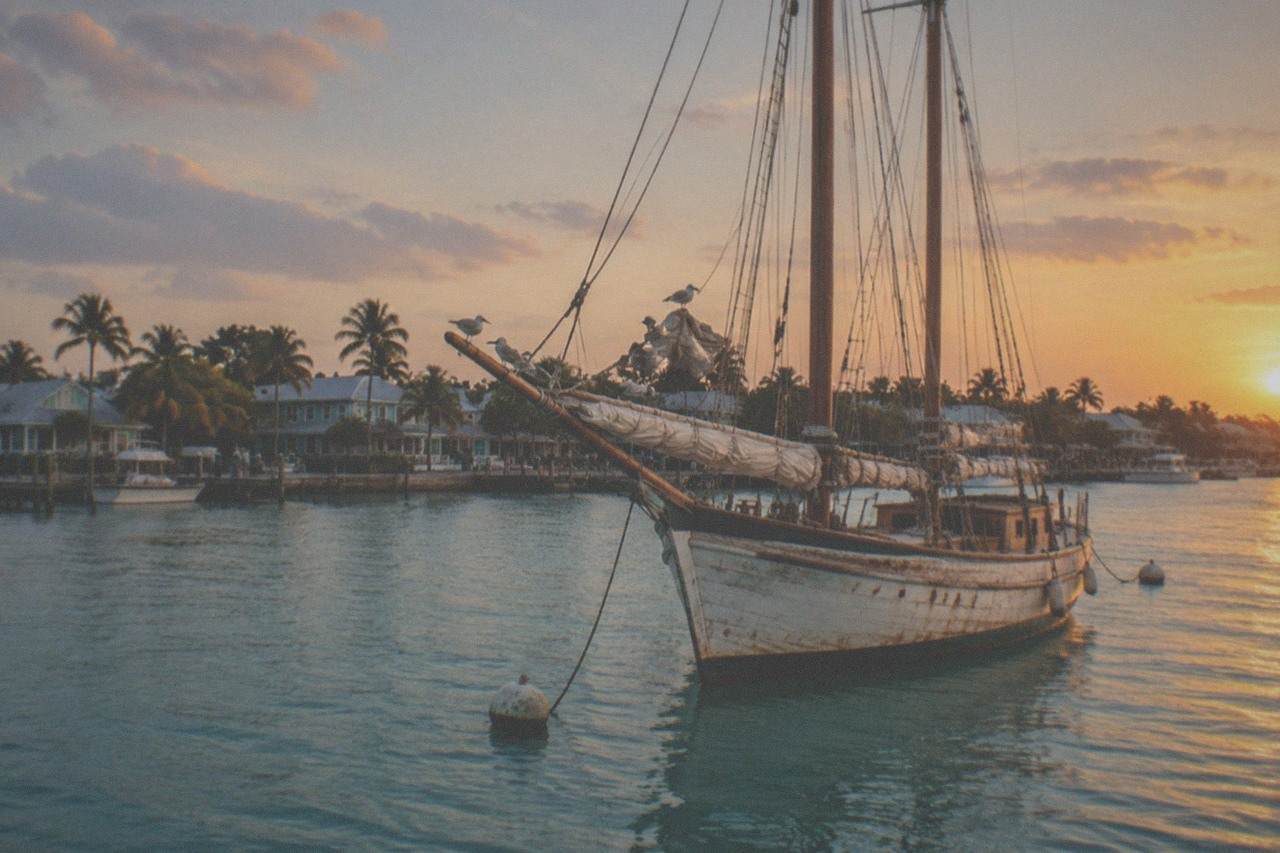
Key West has never had an economy that was separate from the sea. Before there were hotels, before there was a cruise ship dock, there were men in small boats pulling wealth out of the water around the island: first from shipwrecks, then from sponges, turtles and fish. The charter fleet that takes visitors fishing today is the direct descendant of those working boats, and the island's culture still shows it. This is the story of how that industry changed, era by era, and what it means for the trips you can book right now.
What Is The History Of The Key West Fishing Industry?
The Key West fishing industry began with wrecking in the early nineteenth century, when salvagers made the island one of the richest towns per capita in the United States by recovering cargo from ships that foundered on the reef. When lighthouses and better charts ended the wrecking boom, sponging, turtling and commercial fishing took over, and by the twentieth century the town had reinvented itself around sport fishing. Today the industry is almost entirely charter based.
The wrecking era is the strangest chapter. The reef that makes Key West such good fishing now was, for sailing ships, a wall of coral with teeth. Vessels ran aground on it constantly, and Key West wreckers raced out to save crews and cargo, then claimed a share of the salvage in the island's admiralty court. The trade made the town prosperous in a way few American settlements of its size could match. It also ended the way it began, with the reef: as lighthouses went up and navigation improved, the wrecks stopped, and the wreckers needed something else to do.
That something else was already in the water. The same reef that sank ships held fish in numbers that stunned early visitors, and the shallow banks to the north, what locals call the backcountry, held turtles, sponges and vast schools of fish. Commercial fishing, turtling and sponging grew into the island's working backbone, and the turtle canneries and sponge docks gave Key West an identity as a working fishing town rather than a salvage port.
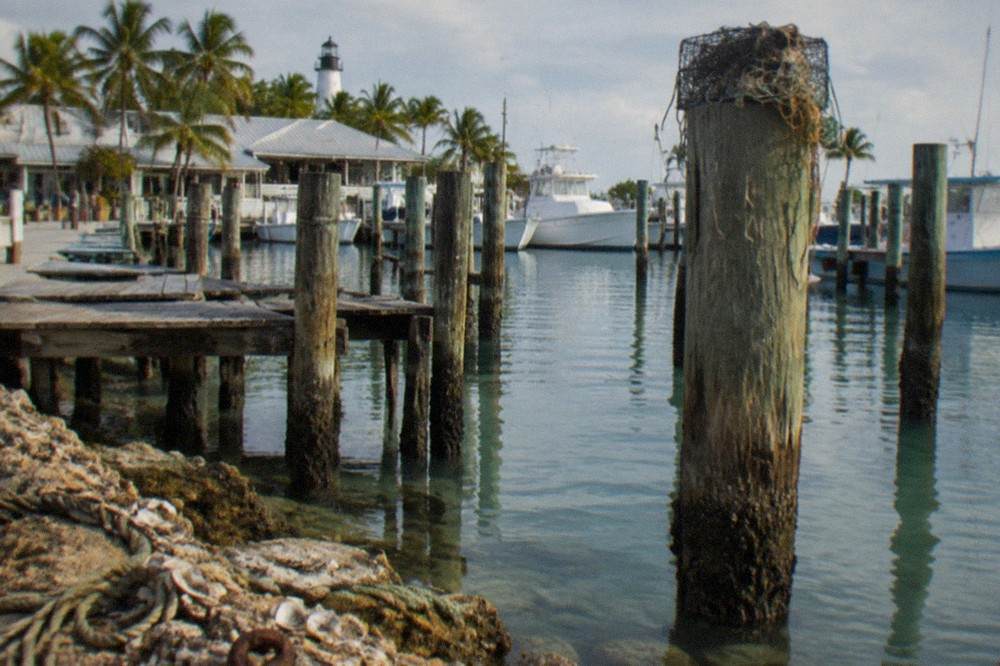
The shift to sport fishing came gradually (see Sport Fishing Capital). Wealthy visitors who arrived by rail and, later, by highway discovered that the tarpon, bonefish and permit of the Keys were unlike anything back home, and local commercial captains found that guiding doctors and businessmen paid steadier money than netting mullet. The town's most famous resident angler, Ernest Hemingway, fished for marlin and tarpon off the island and wrote the place into the sporting imagination, a story covered in detail in our piece on Hemingway and Key West fishing.
If you want to fish the same waters that history played out on, three current options span the whole range, from a working-style party boat to a classic offshore sportfisher:
The three formats those tours represent, party boat, private sportfisher and shared catamaran, are themselves a piece of the history. Each one descends from a different branch of the working fleet, and each is described in the comparison section below.
How Did Wrecking And Sponging Give Way To Commercial Fishing?
Wrecking died when navigation improved, and sponging and turtling died later for harder reasons: a sponge blight in the middle of the twentieth century, the collapse of turtle populations, and eventual legal protection ended both trades. Commercial fishing hung on longer, but rising costs, tighter regulations and the growth of tourism pushed working boats out of the business and captains into charters.
The sponge docks were a genuine industry. Key West sponges supplied much of the country, and the fleet of hook boats and diving boats that harvested them was a fixture of the waterfront for generations (see Free Waterfront Key West). When a disease swept the sponge beds, the trade collapsed almost overnight, and many of the same boats and families moved into fishing full time.
Turtling followed a similar arc. Green turtles and loggerheads were caught in the backcountry and processed at canneries on the island, feeding a real domestic market for turtle meat. As turtle populations fell and protection arrived, the canneries closed, and the knowledge those turtlemen had built up, where the turtles fed, how the shallow banks lay, which channels held life, transferred neatly into guiding anglers.
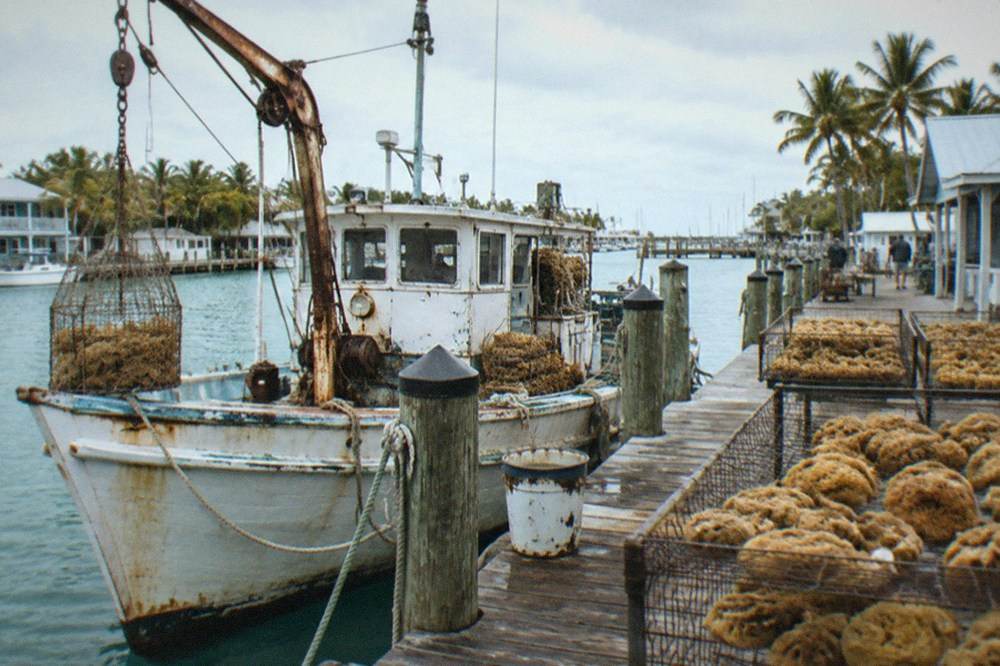
Commercial fishing itself has never fully left. Snapper, grouper and lobster are still landed in the Keys, and the charter fleet depends on the same reef and offshore grounds the commercial boats worked. But the economics flipped. A captain who once sold fish at the dock now sells the fishing itself, and the customer is a visitor who wants the experience, not the catch. That flip is the single biggest change in the industry's history, and it happened within living memory of many captains still working today.
The transition also explains something visitors often notice: charter crews in Key West are unusually serious anglers. Many are descendants of commercial fishermen and turtlers, and the backcountry knowledge that once filled a turtle pen now puts clients on tarpon. The Key West Fishing Tours editorial desk covers this fleet as it exists today, and the continuity between eras is visible in almost every operation.
When Did Charter Fishing Become The Island's Main Fishing Business?
Charter fishing took over after the Second World War, when improved roads, cheap air travel and a growing American leisure class brought visitors who wanted to fish the famous Keys waters. By the late twentieth century, Key West had a full charter economy: private flats guides, offshore sportfishers and head boats, a structure the modern roster still mirrors almost exactly.
The head boat, the ancestor of today's party boats, is the oldest charter format in town. It works on a simple principle that came straight from commercial fishing: fill the boat with paying passengers, split the cost, and fish the productive grounds hard. The modern version carries dozens of anglers, supplies license, bait and tackle, and fillets the catch at the dock. The 6-Hour Party Boat Fishing Trip from Gulfstream Fishing, Inc. is a direct example of the format, running day or night departures for up to 45 travelers from $69.95 per adult, with children around $42.95, bait included, and 335 reviews on the live listing. One caution: a captain's for-hire license does not exempt individual anglers, so check Florida saltwater license requirements with FWC before boarding.
Private sportfishers came next, as the offshore grounds beyond the reef opened up to paying clients. Boats with outriggers, fighting chairs and live bait tanks could reach the blue water where sailfish, marlin and mahi run, and the format became the signature of the sport fishing capital era. Some of these operations have real history behind them: the 45ft Hatteras known as Cowgirl, which runs deep sea trips with an air-conditioned cabin from $1,050 per group, has operated since 1965, and its 4.8 rating across 16 reviews reflects a boat that has spent decades learning the local water.
Flats and backcountry guiding is the third branch, and in some ways the most Keys-specific. It grew out of the turtling tradition, since the men who knew the shallow banks by heart were the same men who knew where the tarpon rolled. Today it is the most technical end of the market, with light tackle and fly anglers traveling specifically to fish two-to-eight-foot flats for tarpon, bonefish and permit. The Tarpon Flats Charter out of Ramrod Key, from $1,595 per group and rated 5.0 across 45 reviews, is a current example of that lineage.
How Did Regulation Reshape The Fishery?
Regulation reshaped Key West fishing twice: first through state fishery rules that ended harvest of vulnerable species like tarpon, then through the creation of the Florida Keys National Marine Sanctuary, which zoned the water itself and closed parts of the reef to all take. Together they turned the industry decisively toward catch-and-release sport fishing and pushed captains to become educators as much as fishermen.
The tarpon rule is the clearest single example. Tarpon are catch-and-release only statewide, in both state and federal waters, with no harvest allowed at all. Fish over 40 inches may not be removed from the water, and a purchased tag is required only for record pursuit. The full rules live on the official FWC tarpon page. For an industry that once shipped fish to market by the crate, a flagship species you must put back is a profound change, and it is one the charter fleet has embraced: tarpon are worth more swimming than on a dock.
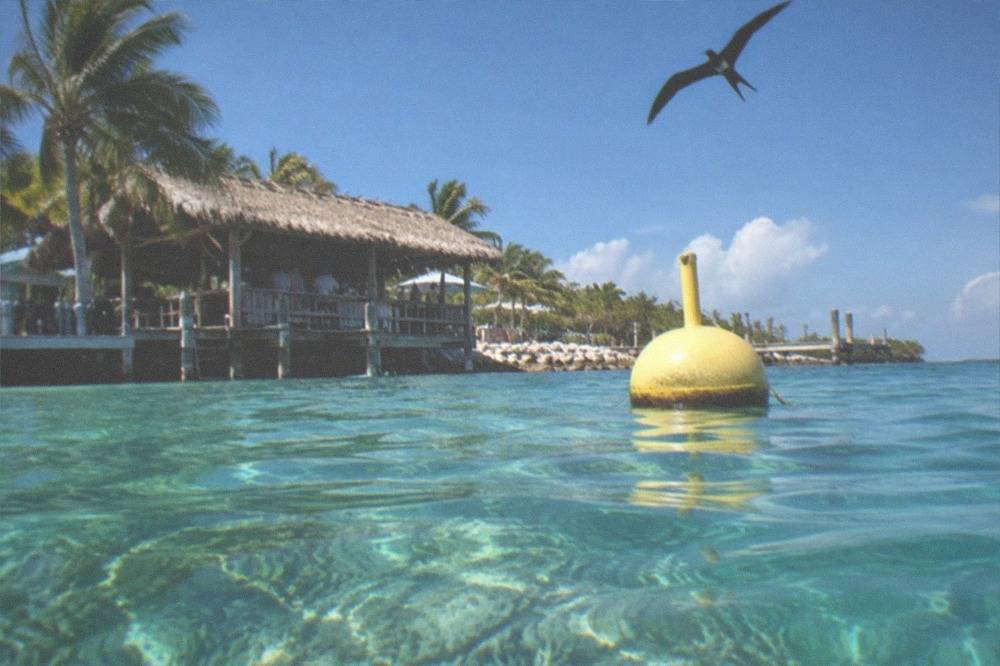
The sanctuary changed the map. The Florida Keys National Marine Sanctuary created Sanctuary Preservation Areas and Ecological Reserves where fishing by any means is prohibited, marked by yellow buoys, alongside zones with spearfishing bans and anchoring rules. Charters must follow this zoning on top of state and federal fishery rules, and the official sanctuary regulations page is the source captains check. A January 2025 NOAA final rule, the Restoration Blueprint, expanded the sanctuary boundary and added or adjusted several zones, including a new Turtle Rocks SPA, with some anchoring restrictions phasing in through 2027. The upshot for anglers is that your captain is working a patchwork of open and closed water, and knowing it is part of the job.
What Does The Modern Charter Fleet Look Like?
The modern fleet divides into four formats: private backcountry and flats charters from about $750 to $1,595 per group, private offshore sportfishers from about $1,000 per group, shared offshore trips from $200 to $250 per person, and party boats from $69.95 to $95 per person. Every format descends from a working-boat tradition, and the ratings below are the live listing figures for each product.
The roster today maps cleanly onto the history. Here is how the current bookable products compare:
| Format | Example product | Duration | Price | Rating and reviews |
|---|---|---|---|---|
| Flats charter | Tarpon Flats Charter, Ramrod Key | 4 hours | From $1,595 per group | 5.0 across 45 reviews |
| Private backcountry | Private Backcountry, Coolers Included | 4 hours | From $800 per group | 5.0 across 19 reviews |
| Private inshore | Private Inshore, Channel Trolling | 4 hours | From $750 per group | 5.0 across 72 reviews |
| Private sportfisher | Private Sportfisher, Fighting Chair | 4 hours | From $1,000 per group | 4.8 across 114 reviews |
| Classic Hatteras | 45ft Cowgirl, AC Cabin | 4 hours | From $1,050 per group | 4.8 across 16 reviews |
| Shared offshore | 4-Hour Shared Offshore, Max 6 | 4 hours | From $200 per person | 4.0 across 32 reviews |
| Party catamaran | Shared Catamaran, Filleting Included | 5 hours | From $95 per person | 4.5 across 505 reviews |
| Party boat | 6-Hour Party Boat, Day or Night | 6 hours | From $69.95 per adult | 335 reviews on the listing |
The price spread tells the history. The party boat, the oldest format, is the cheapest because it splits the boat among the most people. The private sportfisher, the mid-century innovation, costs group rates that reflect a big boat, a mate and fuel burned reaching offshore water. The flats charter, the most specialized and most Keys-native product, commands the highest group price because it sells scarce knowledge: where a single tarpon lies in three feet of water.
One product deserves a special note for history-minded anglers. The Cowgirl is a 45ft Hatteras that has been running out of the area since 1965, which places its working life inside the era when charter fishing was still displacing the commercial fleet. Fishing a boat with six decades of local history, air-conditioned cabin and all, is about as close as a visitor gets to time travel on the water. You can check dates and availability through the operator's live listing, and our guide to party boat fishing in Key West covers the shared-boat side of the market in depth.
Which Tournaments Mark The Fishing Year?
The Key West tournament calendar concentrates in spring and fall: the March Merkin Permit Tournament runs March 9-12, the Key West Sailfish Tournament March 26-28, the Spanish Fly Shark Tournament April 2-4 and the Viking Yachts Key West Challenge April 8-12, with the Key West Marlin Tournament on July 22-25 and the IGFA Permit Invitational closing the season September 29-October 2.
Tournaments are the modern expression of the island's competitive fishing culture, and they follow the fish. The spring cluster tracks the permit and sailfish runs, the summer events chase blue marlin, and the fall invitational returns to the flats for permit on the fly. The March Merkin, an invitation-only permit fly tournament, is the most Keys-specific of the bunch, since permit on fly in shallow water is the discipline the backcountry guides have spent a century perfecting.
| Tournament | Focus | 2026 dates |
|---|---|---|
| March Merkin Permit Tournament | Permit on fly, invitation-only | March 9-12 |
| Key West Sailfish Tournament | Sailfish | March 26-28 |
| Spanish Fly Shark Tournament | Shark | April 2-4 |
| Viking Yachts Key West Challenge | Billfish, offshore | April 8-12 |
| Key West Marlin Tournament | Blue marlin, Hemingway Days timing | July 22-25 |
| IGFA Permit Invitational | Permit on fly | September 29-October 2 |
For visitors, tournament weeks are a double-edged thing. The town is lively, the marinas are busy and the fishing conversation is everywhere, but the best captains are booked early and the water around the weigh-in docks gets crowded. If your dates are flexible, the weeks before and after a major event often combine good fishing with easier availability. The tournament calendar is also a useful planning key if you want to see a specific fishery at its peak, something our month-by-month Key West fishing season guide breaks down in detail.
What Should History-Minded Anglers Know Before Booking?
Before booking, anglers should know three things that come straight from this history: a personal saltwater license is still required even on a licensed charter, the reef and its no-take zones shape where every boat can fish, and the species you most want to catch, tarpon above all, are governed by strict catch-and-release rules. Knowing these makes the difference between a smooth trip and a surprise at the dock.
The license rule surprises the most people. A Florida saltwater fishing license is required to land saltwater species regardless of whether you fish state or federal waters, and a captain's charter license covers the operation of the trip, not the individual anglers on it. Non-resident licenses cost $17 for three days, $30 for seven days and $47 for the year, purchasable through the official FWC licensing page. Some charter products in the roster include a license in the ticket price, and the listing says so when they do, but never assume it: check before you book.
The sanctuary zones matter to your expectations. If your heart is set on a specific patch of famous reef water, part of it may be a no-take Sanctuary Preservation Area, and your captain will route around it rather than through it. That is not the captain being difficult, it is the layered rules that ended up preserving the very fishery that made Key West famous in the first place. Anglers consistently report that the fishing near the zone edges is excellent, which is exactly what marine zoning is designed to produce.
Finally, match the format to the history you want to touch. The party boat is the working fleet's direct heir, cheap, social and unpretentious. The Hatteras sportfisher is the mid-century offshore era afloat. The flats charter is the turtlers' shallow-water knowledge, monetized at last. Whichever branch you choose, you are fishing a piece of the same story, and the fleet that tells it is booking trips right now:
Common Questions About Key West Fishing History
What Is The History Of The Key West Fishing Industry?
It began with wrecking in the nineteenth century, when salvagers recovered cargo from ships that grounded on the reef and made Key West exceptionally wealthy. Wrecking faded as navigation improved, and sponging, turtling and commercial fishing became the island's working backbone. Sport fishing grew through the twentieth century, and today the industry is a charter fleet of party boats, shared offshore trips, private sportfishers and flats guides.
When Did Key West Become A Sport Fishing Destination?
Gradually, after rail and road connections brought visitors who discovered the tarpon, bonefish and permit fishing. Local working captains shifted into guiding because it paid steadier than commercial fishing, and by the mid-twentieth century the town had a full charter economy with head boats, offshore sportfishers and flats guides, the same structure visible in today's roster.
What Happened To The Sponge And Turtle Industries In Key West?
Both collapsed. A disease swept the sponge beds and ended the sponge trade almost overnight, and turtle populations fell until legal protection closed the canneries. Many of the families and boats from both trades moved into commercial fishing and then into charter work, carrying their shallow-water knowledge with them.
Why Is Tarpon Fishing Catch-And-Release Only In Key West?
Tarpon are catch-and-release only statewide in Florida, in both state and federal waters, with no harvest allowed. Fish over 40 inches must remain in the water, and a purchased tag is required only for record pursuit. The rule protects a fish that is worth far more to the local economy alive, since anglers travel from around the world to fight one.
Can You Still Fish Everywhere Around Key West?
No. The Florida Keys National Marine Sanctuary zones the water, and its Sanctuary Preservation Areas and Ecological Reserves prohibit fishing and harvest entirely, marked by yellow buoys. A 2025 rule expanded the sanctuary boundary and added new zones. Charter captains route around closed areas, and fishing near zone edges is often excellent.
Do I Need A Fishing License On A Key West Charter?
Yes, in most cases. A Florida saltwater license is required to land saltwater species even on a licensed charter, because the captain's for-hire license covers the trip's operation, not the individual anglers. Non-resident licenses run $17 for three days, $30 for seven days and $47 for the year. Some charter tickets include a license, and the listing states this when they do.