What Is Hemingway's Connection To Key West Fishing?
The real history of Ernest Hemingway's Key West fishing years, the sportfishing culture he helped build, and the charters that still carry that era's feel today.
 By Key West Fishing Tours Editorial Desk, Key West fishing charter research and booking desk
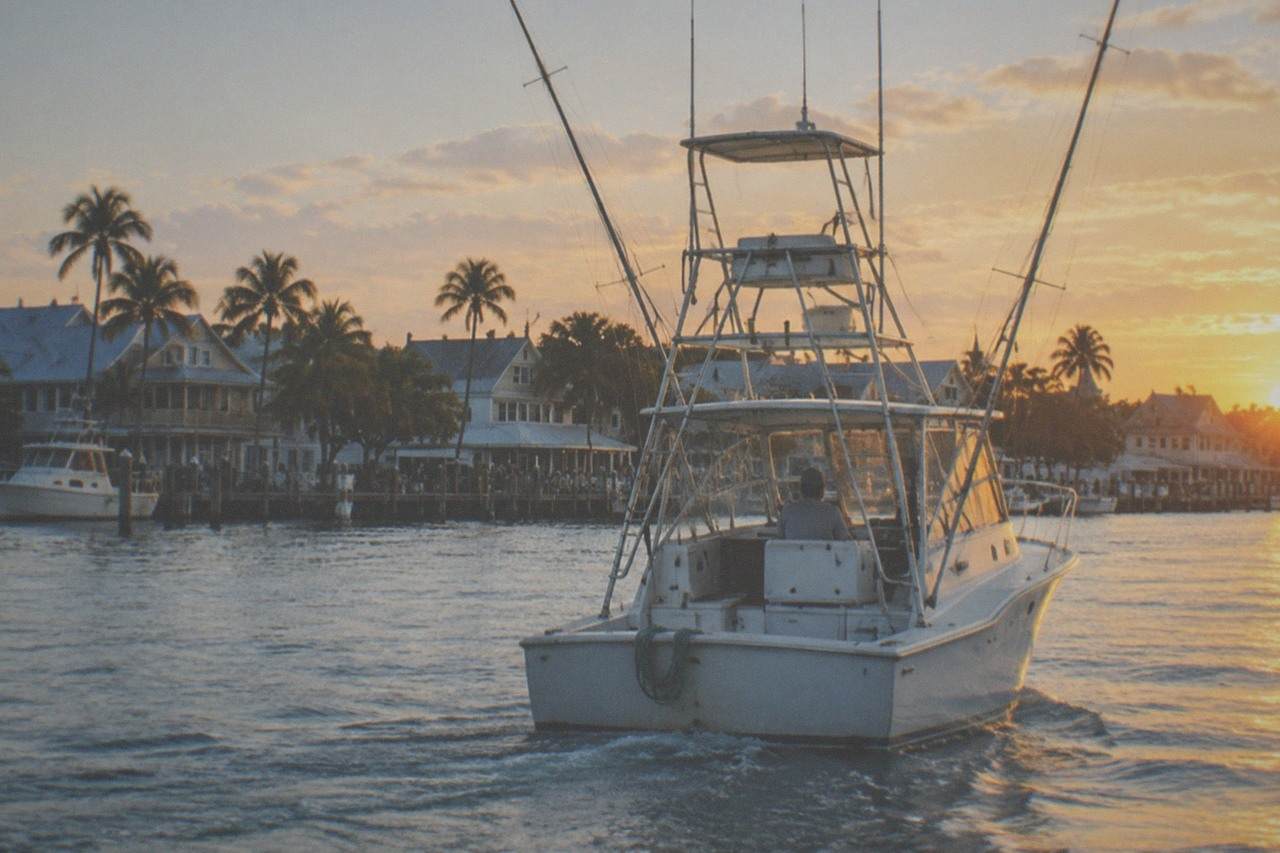
What Is Hemingway's Connection To Key West Fishing?
Hemingway's connection to Key West fishing is both literal and literary: he lived on the island for roughly a decade starting in the late nineteen-twenties, fished its offshore water and backcountry hard, and wrote the town's fishing life into his books. He helped put Key West on the sportfishing map when the town was better known for cigar factories and wreckers, and the tournament and charter culture that grew afterward still bears his fingerprints.
Hemingway arrived in Key West in the late nineteen-twenties, expecting to stay briefly on the way elsewhere, and instead stayed roughly a decade. The island gave him two things he needed: quiet in which to write in the mornings, and some of the best saltwater fishing in the United States in the afternoons. His house on Whitehead Street, now a museum, sat a few blocks from the harbor where the charter and shrimping fleets worked.
The fishing was not decoration. Hemingway fished seriously and competitively, in local waters and farther afield, and the catches he chased, marlin, tarpon, king mackerel, barracuda and dolphin, are the same species that draw anglers to Key West charters today. He helped organize early big-game fishing efforts out of the island at a time when the sport was young, and his name became attached to the local marlin fishery in a way that outlived him (see Sport Fishing Capital).
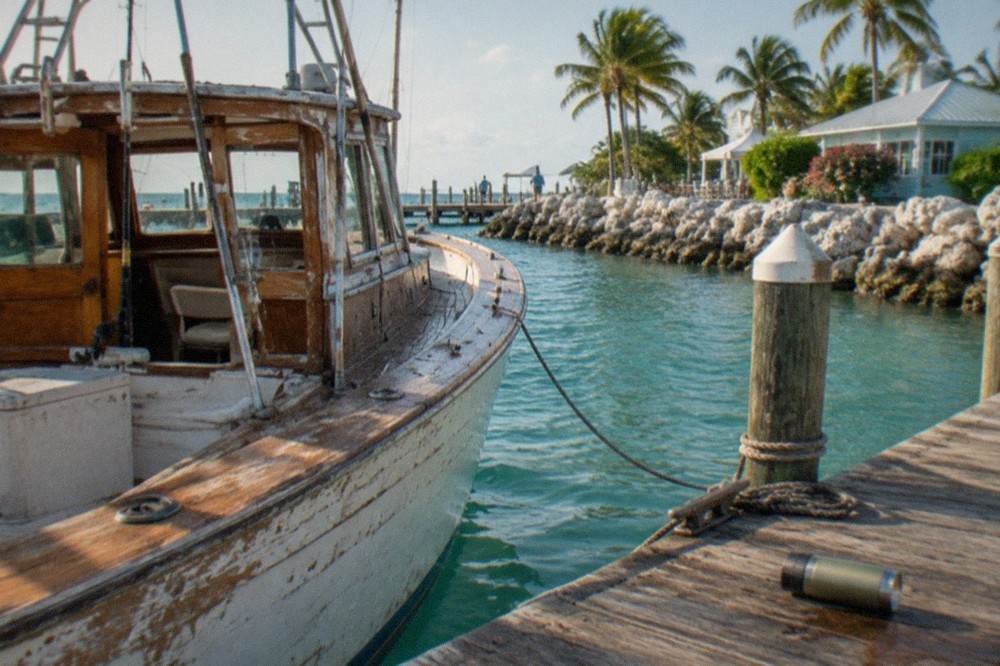
That legacy is the reason this article exists on a charter-booking site. The Hemingway story is not just trivia; it explains why Key West has one of the deepest charter fleets in Florida, why its July calendar still revolves around a marlin tournament, and why a visitor today can fish from a 45ft Hatteras that has been working these waters since 1965, close enough in spirit to the boats of his era to feel the connection. If you want the practical side of that, our guide to Key West fishing charters compared breaks down every bookable format on the island by price and rating.
For readers planning a trip around the history, the honest framing is this: the fishing is real and excellent, the Hemingway layer is genuinely woven into it, and a few of today's operators carry more of that old-school sportfisher character than others (see Key West Fishing History). The three charters below are the ones on the current roster that best match the story this article tells, from the classic Hatteras to the big private sportfisher to the shared catamaran that keeps the fleet open to every budget.
The Years Hemingway Fished Out Of Key West
Hemingway lived in Key West from the late nineteen-twenties until the end of the thirties, writing in the mornings and fishing in the afternoons, first from rowboats and small craft and later from progressively better sportfishing boats. Those years produced much of his best work and most of his fishing reputation. By the time he left for Cuba, Key West had absorbed his presence so completely that the town now markets a piece of its identity around him.
The decade mattered to both sides. Key West when he arrived was a tired, isolated town, half of it still recovering from the cigar industry's departure, with a naval station, sponagers and a fishing fleet. Hemingway, already famous after the success of his early novels, gave the town a literary celebrity it had never had. The town gave him a home base for the decade in which he wrote the Key West novel "To Have and Have Not," the only book he set in the United States, whose hero Harry Morgan runs charter and smuggling trips out of the Key West waterfront.
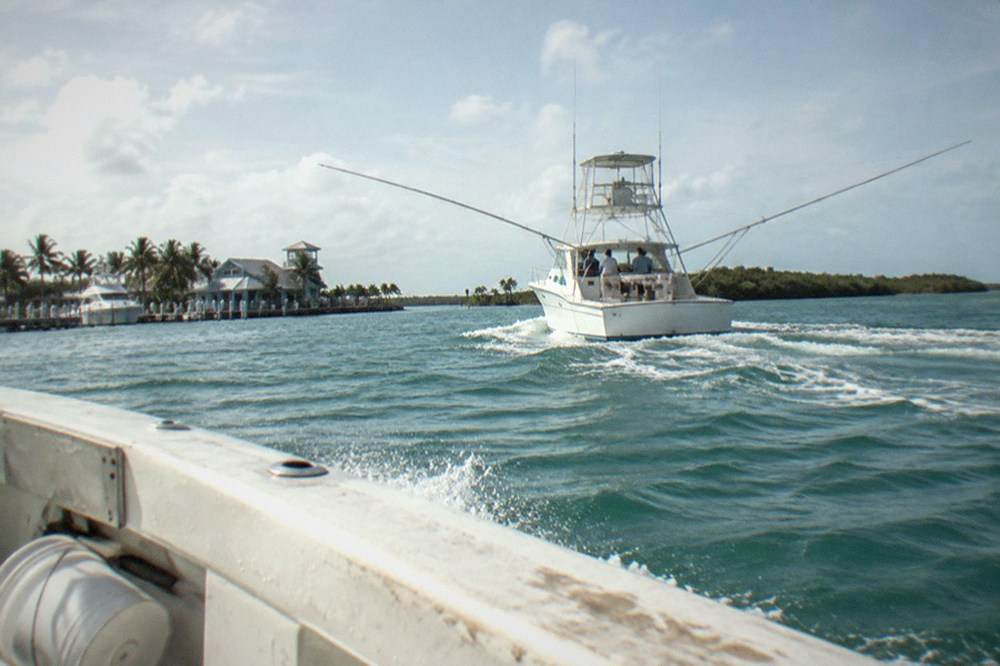
The fishing of those years was less glamorous than the legend suggests, and more real. He fished the reef and the blue water beyond it, and the backcountry channels where tarpon roll. The gear was simpler, the boats slower, and the fish plentiful in a way that is hard to picture now. But the core of the experience, a small boat, warm water, and a fighting fish on the line, is exactly what a charter delivers today.
The sportfishing culture he joined was young. Big-game angling as an organized sport barely existed in Florida when he arrived, and the Key West pioneers of that era were inventing it. That is the thread this site cares about, because the charter industry of 2026 is the direct descendant of that scene. A reader deciding between formats today, whether a private sportfisher charter or a shared party boat, is choosing within an industry that Hemingway's generation built the template for.
The closest living link on the current roster is the Cowgirl, a 45ft Hatteras that has operated out of Key West since 1965, which puts its working life within living memory of the people who fished with and around Hemingway. It is rated 4.8 across 16 reviews, runs 4-hour trips from $1,050 per group, and includes tackle, permits, bait and a guide in the price, with an air-conditioned cabin for the ride out.
That combination of old hull and modern convenience is worth pausing on, because it is the one booking on the roster where the historical story and the practical purchase point the same way. The boat is not a replica or a theme; it is a working charter with a small but solid review pool, and choosing it is the simplest way to fish the same harbor Hemingway sailed from, in something close to the style his era invented.
What Hemingway Fished For, And How
Hemingway's Key West quarry reads like a modern charter's target list: marlin and sailfish offshore, king mackerel and dolphin in the blue water, tarpon and barracuda closer to shore. He fished with heavy handlines and crude tackle by modern standards, and he helped pioneer the jump from subsistence fishing to big-game sportfishing in Florida. The species calendar he worked with is broadly the same one today's charter captains read.
The overlap is the point worth dwelling on, because it is what makes the history practical rather than quaint. The fish have not moved. Tarpon still migrate through the Keys in spring, peaking April through May for the big migratory fish. Sailfish still run hard from November through March. Dolphin, the mahi-mahi Hemingway would have called dolphin, still arrive with the warming spring water and again in late summer.
| Species | Hemingway-era status | Modern peak season in Key West | Modern rules to know |
|---|---|---|---|
| Tarpon | A prized backcountry and channel fighter | February through July, strongest April-May | Catch-and-release only statewide; fish over 40 inches stay in the water |
| Sailfish | Winter blue-water target | November through March, January peak | Regulations apply; verify current rules with FWC |
| Mahi-mahi (dolphin) | Spring and summer blue-water catch | April through June, second run August-October | Atlantic side: 20 inch fork minimum, 5 per harvester per day |
| King mackerel | Reef and blue-water staple | Year-round with cooler-month peaks | Size and bag limits apply; check current FWC rules |
| Grouper | Reef and wreck staple | Open-season dependent | Seasons shift by executive order; confirm before booking |
The rules column matters more than it would have in his day, and it is the one place where the modern angler's experience genuinely diverges from Hemingway's. Tarpon fishing in Florida is now strictly catch-and-release, statewide, in both state and federal waters, with no harvest allowed and a requirement that fish over 40 inches remain in the water, per the FWC's tarpon regulations. A tarpon tag, at roughly $50 and one per angler per year, is needed only for record pursuit. Hemingway's era hauled fish aboard for photographs; today's charters revive them at the boat.
The gear gap runs the other direction. Where he fished handlines and primitive reels, a modern Key West charter hands you rods, tackle, live bait and, on most products in this site's roster, a captain who coaches the fight. The private bay boat charter run by Live Action Sportfishing, for example, includes rods, tackle and live bait; confirm license rules on MyFWC and the live listing, and targets tarpon, permit, cobia, snapper and shark on a 24ft Pathfinder. That is a level of support an angler of his generation could not have bought at any price.
The fishing he wrote about most vividly, the blue-water marlin fishing, is also the hardest thing to replicate on a short modern trip. Marlin fishing out of Key West typically wants a full day and the right season, and the site's current roster reflects that reality: the offshore products are 4- and 6-hour trips aimed at mahi, tuna and kingfish, with marlin more likely as a surprise than a plan. The 6-hour shared offshore trip pushes into deeper water for tuna, mahi and kingfish, from $250 per person with a maximum of six travelers and a 4.5 rating across 34 reviews.
How One Writer Built A Sportfishing Town
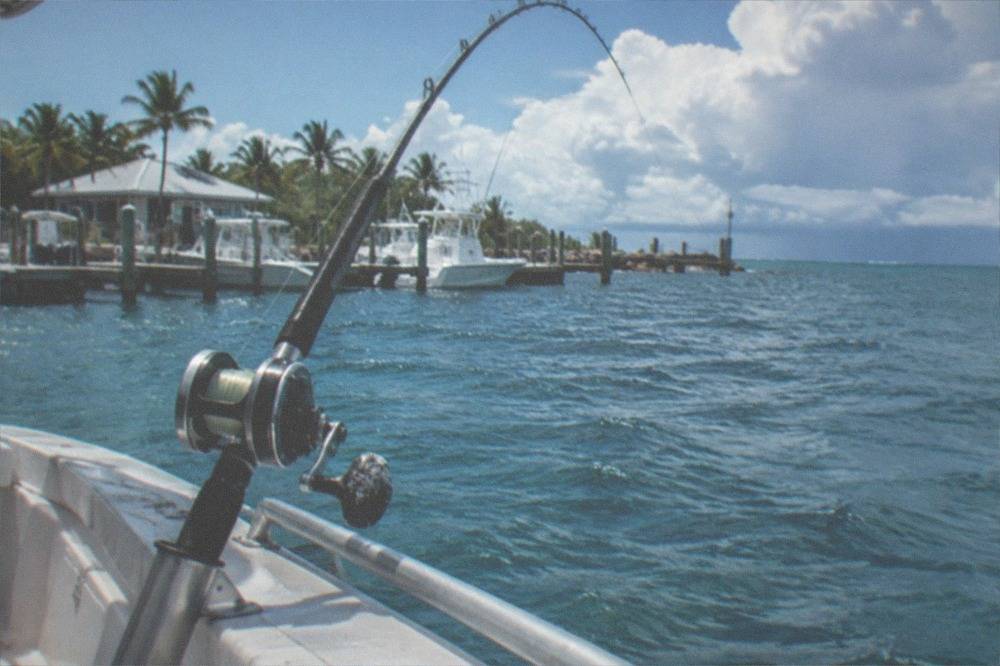
Hemingway did not invent fishing in Key West, but he did more than anyone to make it famous, by writing the town and its water into books read worldwide and by living the sportfishing life publicly enough that others followed. Writers, anglers and eventually tourists came because he had been there, and the charter industry grew to meet them. The town's modern identity, a fishing destination with a literary shrine attached, is his legacy working at full scale.
The mechanism was partly the books and partly the myth. "To Have and Have Not" put the Key West waterfront into print for an international readership, with a charter captain as its hero at a moment when sportfishing charters were a new idea. The public image, the drinking, the fishing reports, the photographs of the author beside dead gamefish, did the rest. Before long, Key West was on the map as a place where serious anglers went.
What followed was institutional. A sportfishing culture that begins with one famous enthusiast eventually builds clubs, tournaments and fleets. Key West's tournament calendar today is dense enough that it shapes the town's annual rhythm, and the Visit Florida Keys tournament listings show how deep that calendar runs, from sailfish in March to marlin in July.
The Hemingway-named piece of it is the Key West Marlin Tournament, which runs July 22-25, 2026, timed to Hemingway Days, the mid-July festival built around his birthday and his Key West years. Blue marlin is the focus, cash prizes are real, and the event sits at the center of the town's biggest annual celebration. That is a direct, documented line from one angler's obsession to a modern tournament with a prize purse.
The culture also spread sideways into formats Hemingway never used. He fished from private boats with hired crews, the expensive end of the sport. The modern fleet democratized it: the shared party boat, an idea that barely existed in his Key West, now carries 45 anglers at a time. The 6-hour party boat trip run by Gulfstream Fishing runs day or night departures from $69.95 per adult, roughly $42.95 for children, with license and bait included, and carries a pool of 335 reviews. The shared catamaran option, a 64ft boat with filleting included, runs 5 hours from $95 per person and holds a 4.5 rating across 505 reviews, the largest review pool on this site's roster.
Neither of those is a Hemingway experience in style, but both exist because the fishing culture he publicized grew big enough to demand them. The same logic built the low-cost private options, like the afternoon private deep-sea charter from Drop Off Sportfishing, which runs from $54 per person scaling up to $156 at the smallest group size, with the per-person rate falling as the boat fills toward its six-angler maximum, rated 5.0 across 18 reviews.
Fishing The Same Water Today
A modern angler can fish substantially the same water Hemingway fished, for the same species, from boats that are safer, faster and better equipped, and at prices spanning $69.95 per person on a shared party boat to $1,595 for a private flats charter. The historical continuity is strongest in the private sportfisher format, weakest on the party boats, and the choice is mostly about budget and how much of the old feel matters to you.
The honest comparison is between the experience he had and the experiences money buys now. He had a private boat, a crew, heavy tackle and unlimited patience. The modern equivalents on this site's roster cluster into three tiers.
| Format | Closest roster product | Price | Rating and reviews | What it shares with the Hemingway era |
|---|---|---|---|---|
| Private sportfisher, classic boat | 45ft Cowgirl Hatteras | From $1,050 per group, 4 hours | 4.8 across 16 reviews | A Hatteras working Key West since 1965, cabin, captain and crew |
| Private sportfisher, modern | Private Sportfisher with fighting chair | From $1,000 per group, 4 hours | 4.8 across 114 reviews | Outriggers, live bait tank, deep sea and reef fishing in one trip |
| Shared offshore, small group | 6-hour shared offshore trip | From $250 per person | 4.5 across 34 reviews | Same blue-water species, coaching included, six anglers max |
| Shared party boat | 64ft catamaran half-day | From $95 per person, 5 hours | 4.5 across 505 reviews | Accessible version of the same fishery, all skill levels |
The Cowgirl deserves its spot at the top of that table for a reason that is historical rather than sentimental. A boat that has operated out of Key West since 1965 was launched within a generation of Hemingway's Key West years, and it represents the type, a big-boat private charter with an air-conditioned cabin and a professional crew, that the sportfishing culture he publicized matured into. It is not a museum piece; it is a working charter with a 4.8 rating that happens to have deep local roots.
For anglers whose Hemingway interest leans toward the backcountry rather than the blue water, the flats side of the story is just as alive. He chased tarpon in the channels; today's flats specialists do it with shallow-draft boats and fly tackle. The tarpon flats charter operating out of Ramrod Key fishes depths of two to eight feet for tarpon, bonefish, permit, barracuda and snapper, rated 5.0 across 45 reviews, from $1,595 per group. Our Key West backcountry and flats fishing guide covers that side of the fishery in detail.
One practical note belongs here because it affects every one of these bookings: sanctuary zoning. The waters around Key West fall inside the Florida Keys National Marine Sanctuary, which maintains no-take Sanctuary Preservation Areas and Ecological Reserves marked by yellow buoys, and the January 2025 Restoration Blueprint expanded the sanctuary boundary and adjusted several zones. Charter captains know the boundaries, but anglers booking independently should be aware the rules exist; the official source is the sanctuary's regulations page. This is the one structural difference between Hemingway's water and today's: the fishery is managed, deliberately, and that management is part of why the fishing is still this good.
Planning A Trip Around The History
The best month to fish Hemingway's Key West depends on which piece of his fishing you want: April and May for the big migratory tarpon he chased in the channels, November through March for the sailfish and winter blue-water run, and July if you want the marlin tournament and the Hemingway Days festival together. Book a private sportfisher for the closest match to his experience, and reserve early for the July tournament window.
The calendar logic is straightforward. Spring is the town's most famous fishing season because the tarpon arrive, and the 2026 telemetry work on Keys tarpon shows peak adult occupancy in May, with median arrivals in mid-to-late April. Anglers planning around the silver king should look at April through June and consider the private inshore and backcountry products, which all include gear; anglers need their own Florida saltwater license unless exempt: the private half-day inshore charter with channel trolling runs from $750 per group with a 5.0 rating across 72 reviews, and the private backcountry charter from Recon Sportfishing covers tarpon, jacks, permit, barracuda, shark, snapper and cobia within 13 miles of Key West, from $800 per group for up to four anglers, rated 5.0 across 19 reviews.
July is the heritage month. The Key West Marlin Tournament runs July 22-25, 2026, inside Hemingway Days, and the town fills with anglers and festival visitors at once. Marlin fishing itself wants a full-day commitment, but the offshore charters running that week fish the same blue water the tournament fleet works, and the 4-hour shared offshore trip, from $200 per person with a 4.0 rating across 32 reviews, is the low-commitment way to be out there while it happens.
Winter suits the reader who cares most about the writing rather than the catching. The sailfish run peaks November through March, the bars and museum are quieter, and charter availability is easier. The trade is wind and fronts; winter fishing in Key West means picking weather windows, which is a good argument for the party boats and their bigger, steadier hulls. Our month-by-month breakdown in the Key West fishing season guide handles this in depth.
Whatever the month, the license rule applies. Booking a charter does not exempt individual anglers from Florida's saltwater license requirement; a captain's for-hire license covers the trip's operation, not the guests. Non-resident licenses run $17 for three days, $30 for seven days and $47 for the year, and some roster products include license coverage in the price while others do not, so check the listing. Our Key West fishing license requirements guide walks through the details.
The last planning decision is simply how much the Hemingway layer should drive the booking. If it matters, the Key West Fishing Tours editorial desk's honest recommendation is the classic-boat private format: the Cowgirl for the 1965 lineage, the fighting-chair sportfisher for the biggest review pool and the most gear. If it is background color, any offshore product puts you on the same water, and the shared catamaran at $95 does it for the price of a dinner.
Common Questions About Hemingway And Key West Fishing
What Is Hemingway's Connection To Key West Fishing?
Hemingway lived in Key West for roughly a decade starting in the late nineteen-twenties, fished its offshore and backcountry waters seriously, and wrote the town's fishing life into "To Have and Have Not." He helped publicize Key West as a sportfishing destination during the sport's formative years, and the town's modern identity, including the July marlin tournament timed to Hemingway Days, still builds on that legacy.
Did Hemingway Fish For Marlin In Key West?
Yes. Marlin and other blue-water species were among his targets, and big-game fishing was a central pursuit of his Key West years. Marlin fishing out of Key West today typically wants a full-day trip and the right season, while the current charter roster's offshore products focus on mahi, tuna and kingfish on 4- and 6-hour trips.
Can You Still Fish The Same Spots Hemingway Fished?
Largely yes, with two caveats. The reef, blue water and backcountry channels he fished are the same grounds today's charters work. The caveats are management and rules: much of the water sits inside the Florida Keys National Marine Sanctuary with no-take zones, and tarpon, one of his prized fish, is now strictly catch-and-release statewide.
When Is The Hemingway Fishing Tournament In Key West?
The Key West Marlin Tournament runs July 22-25, 2026, timed to the Hemingway Days festival. It focuses on blue marlin with cash prizes, and it anchors the town's biggest annual celebration of its most famous resident.
Which Modern Charter Is Closest To A Hemingway-Era Experience?
The 45ft Cowgirl, a Hatteras sportfisher operating out of Key West since 1965, is the closest thing on the current roster: a big private boat with a cabin, captain, tackle, permits and bait included, from $1,050 per group for four hours, rated 4.8 across 16 reviews.
Do I Need A Fishing License On A Key West Charter?
Usually yes. A captain's for-hire license covers the trip's operation but does not exempt individual anglers from holding their own Florida saltwater license. Non-resident licenses cost $17 for three days or $30 for seven days, though some charter products include license coverage in the price, so check the listing before you buy.