What Is The Sport Fishing Capital Of The World?
Islamorada, up the Keys, holds the more established claim to the title sport fishing capital of the world, though Key West is informally linked to the phrase through its Hemingway-era charter boom. Here is the honest history of the claim.
 By Key West Fishing Tours Editorial Desk, Key West fishing charter research and booking desk
What Is The Sport Fishing Capital Of The World?
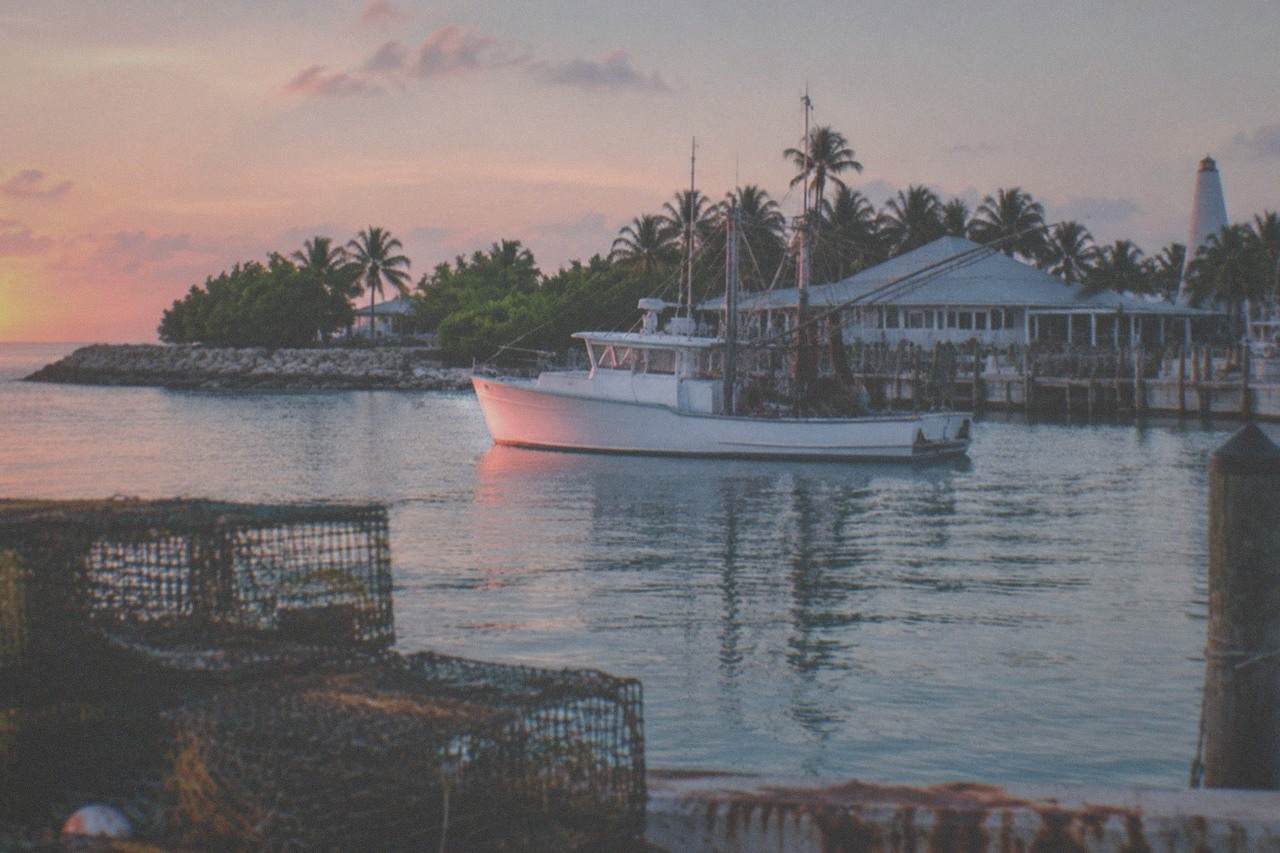
Islamorada, in the middle of the Keys, holds the primary and most verifiable claim to being the sport fishing capital of the world, built on its backcountry and light-tackle fishing heritage. Key West's tie to the phrase is real but secondary: it grew out of the island's Hemingway-era charter boom and endures today through its own strong flats, reef and offshore fishery, which keeps the debate alive among anglers.
The title was never awarded by a governing body. No fisheries agency or record-keeping organization ever stamped one town as the official capital of sport fishing. What happened instead is simpler and more interesting: writers, charter captains and early tourism promoters started using the phrase about Key West, the press repeated it, and the fishing itself kept earning it. By the time Ernest Hemingway made the island his home, the billfish, tarpon and reef fishing off Key West had already drawn a small circle of serious anglers who spread the reputation through magazine articles and word of mouth.
What makes the claim worth examining rather than dismissing as old marketing is the water. Key West sits where the Atlantic Ocean, the Gulf of Mexico and the Florida Straits meet, within easy reach of the only living coral barrier reef in the continental United States, the shallow backcountry flats of the Gulf, and deep blue water a short run offshore. Few ports anywhere offer tarpon on the flats in the morning and mahi-mahi or tuna offshore the same afternoon. The island's own charter roster today reflects that range, from the Tarpon Flats Charter, Ramrod Key, which fishes water two to eight feet deep for tarpon, bonefish and permit, to the Private Sportfisher, Fighting Chair, which runs up to 18 miles offshore with outriggers and a live bait tank.
The claim also survives because the fishing calendar never goes quiet. Sailfish peak in winter, tarpon flood the shallows in spring, mahi-mahi arrive in two separate migrations, and reef species like mutton and yellowtail snapper bite through most of the year. A town can only keep a title like this while the fish keep showing up, and the fish keep showing up off Key West.
Where Did The Key West Claim Come From?
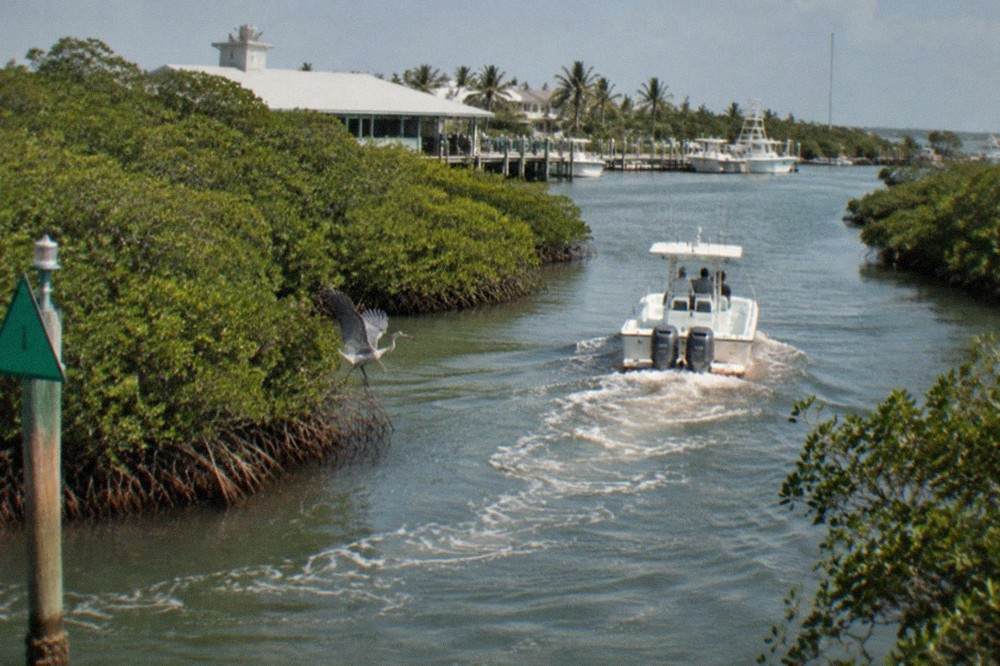
The title grew out of the island's early charter boom, when Key West's fleet, its famous residents and its unusually rich surrounding waters converged to turn a remote fishing town into a nationally known angling destination. Writers of the era described fishing unlike anything on the East Coast, and the phrase stuck to the island long after the first promoters who used it were forgotten. The claim was earned on the water first and in print second.
Before the Overseas Highway fully opened, reaching Key West meant a long train journey or a boat ride, and the town lived mostly on salvage, sponging, cigar making and fishing. The fishing part was never small. Local crews had worked the reef and the offshore humps for generations, and visiting anglers who made the trip discovered a fishery that felt almost unexploited: huge schools of tarpon rolling through the harbor channels, sailfish in winter, and reef water so full of snapper and grouper that limits were barely a concept.
The Hemingway years gave the story its most durable characters. Hemingway fished the waters around Key West constantly, and his circle of captains, drinking companions and fellow writers carried the island's reputation into national magazines. The deeper history of that era, including the captains who built the first sportfishing fleet, is covered in detail in the site's piece on Hemingway and Key West fishing. What matters here is the effect: Key West came to be described in the sporting press as the place where the world's best saltwater fishing could be had, and the title took hold.
The claim was not idle. The island's position at the end of the Keys puts it closest to some of the richest water in the region, and the backcountry to the west, a maze of mangrove islands and shallow flats stretching toward the Marquesas, held tarpon, permit and bonefish in numbers that mainland Florida could not match. Anglers who fished both places reported it, and the reports compounded. A reputation built on that kind of firsthand comparison does not need much help from advertising.
The title then passed through the postwar decades on momentum. The charter fleet grew, the party boats arrived, and the town's fishing identity became inseparable from its tourism identity. That continuity is the real backbone of the claim: Key West never stopped being a fishing town, even as it became a party town, and the fleet never left the harbor. Generations of captains passed routes, wrecks and seasonal patterns down the same dock lines, which is a form of institutional knowledge no marketing budget can buy.
Which Other Cities Claim The Title?
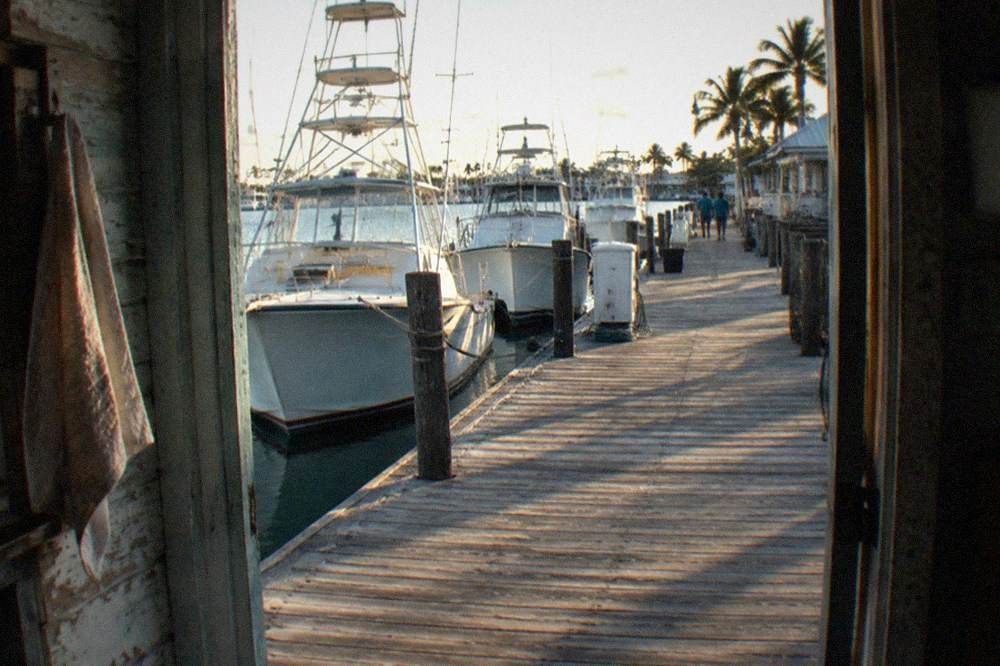
Islamorada holds the primary claim, having promoted itself as the sport fishing capital of the world for decades, with the deepest documented roots of any contender. Key West is a genuine rival on the strength of its Hemingway-era charter history. Other Florida ports claim narrower crowns: Stuart calls itself the sailfish capital of the world, and Boca Grande is famous as the tarpon capital.
The Islamorada claim deserves a fair hearing rather than a dismissal. The middle Keys village sits alongside some of the best bonefish, tarpon and reef water in Florida, and its own charter history runs nearly as deep as Key West's (see Key West Fishing History). The rivalry is real enough that anglers argue about it in earnest, and the site compares the two fisheries head to head in Key West or Islamorada for fishing. A visitor who fishes both will find excellent charters in each place, which is exactly why the argument never resolves.
The narrower claims are worth knowing because they show how these titles actually work. Towns pick the crown their fishery can defend. Stuart's winter sailfish run earned it a sailfish title. Boca Grande's pass holds so many tarpon each spring that its tarpon claim became famous nationwide. Key West, by contrast, claimed the whole sport, not one species, and that breadth is what keeps its version of the phrase alive in guidebooks and travel writing long after it was coined.
| Town | Claimed title | Fishery behind the claim |
|---|---|---|
| Key West | Sport fishing capital of the world | Flats, reef and offshore within one port's reach |
| Islamorada | Sport fishing capital of the world | Bonefish, tarpon and reef fishing in the middle Keys |
| Stuart | Sailfish capital of the world | Winter sailfish run along the Treasure Coast |
| Boca Grande | Tarpon capital of the world | Massive spring tarpon migration through Boca Grande Pass |
None of these titles has an official owner, and that is fine. A title like this is a promise about the fishing, and the promise is only as good as the water (see Deep Sea Worth It?). On that measure, Key West's claim rests on variety: it is one of the few ports where a visiting angler can fish shallow flats for tarpon, troll offshore for mahi and tuna, and bottom fish the reef for snapper and grouper without changing harbors. Rival towns may beat it in any single category, but few can match the whole spread in one departure point.
The Private Sportfisher, Fighting Chair product is a good example of that variety in a single trip, since the operator combines deep sea and reef fishing on one four-hour charter, rated 4.8 across 114 reviews and priced from $1,000 per group for up to six anglers. A boat like that exists in Key West precisely because the water supports both fisheries within a short run of the dock. The same geography that made the island famous in the sporting press is what makes a combined trip practical today.
What Makes A Fishing Capital Today?
A modern fishing capital needs three things working at once: a diverse fishery that produces across seasons, a working charter economy that makes the fishing accessible, and a conservation framework that keeps the resource intact. Key West scores on all three, with year-round species, a dense fleet of every format and price, and active state and federal management of the waters that made it famous. Remove any one of the three and the title would hollow out.
The fishery itself is the foundation. Tarpon migrate through the Keys from roughly February into July, with April and May the strongest window for the large migratory fish that can exceed 100 pounds. Sailfish peak from November through March. Mahi-mahi arrive in a spring migration from April into early summer and again from August through October, often with larger fish in the second run. Mutton and yellowtail snapper stay catchable on the reef essentially year-round. Permit, the hardest flats trophy in the Keys, run strongest from March through July with a fall window from September into November. Very few ports can list that many species with that much seasonal overlap.
The tournament calendar is a quiet but telling piece of evidence. A town does not host a permit fly fishing invitational, a sailfish tournament, a shark tournament, a billfish challenge and a marlin tournament in a single year unless the fishery supports all of them. The March Merkin, run out of the Key West and Lower Keys area, targets permit on fly, one of the hardest feats in saltwater angling, and the Key West Marlin Tournament in July chases blue marlin in the same offshore water the charter fleet fishes daily. Details and zone rules for sanctuary waters are on the official Florida Keys National Marine Sanctuary regulations page, which matters because several no-take zones sit within easy reach of Key West and every licensed captain has to steer around them.
Conservation is the part of the title most visitors never see. Tarpon fishing in Florida is catch-and-release only, statewide, with fish over 40 inches required to stay in the water, rules detailed on the FWC tarpon page. Snapper and grouper harvest is managed with size and bag limits, and grouper seasons shift by executive order, so charter crews check current openings before promising fillets. The sanctuary's zoning, expanded by the 2025 Restoration Blueprint, protects the reef and flats that the entire claim rests on. A century of management, imperfect and ongoing, is the reason the title still describes real fishing rather than a memory of it.
Can You Still Fish Like The Capital It Is?
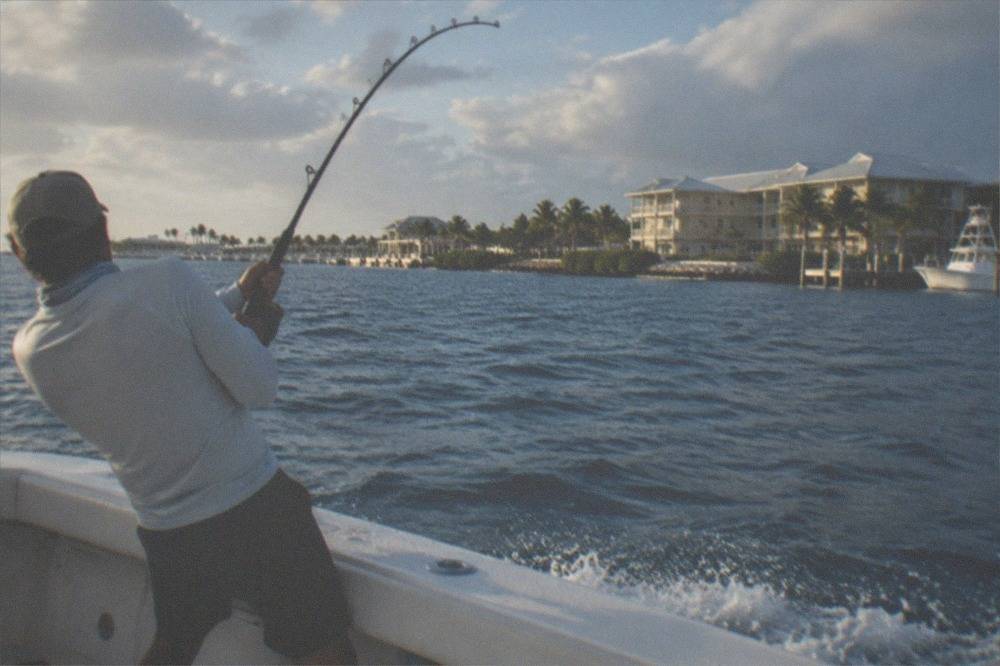
Yes, and more easily than in the era that coined the title, because Key West now runs the full range of charter formats, from a $69.95 party boat seat to $1,595 private flats charters, bookable across every style of fishing the island is famous for. The fleet covers backcountry, reef and offshore water in shared and private configurations, so the price of admission depends almost entirely on how you want to fish.
The party boat is the democratic end of the fleet. The shared catamaran trip runs five hours on a 64-foot catamaran with bait and filleting included; check the listing about your personal Florida saltwater fishing license., rated 4.5 across 505 reviews and priced from $95 per person. The 6-Hour Party Boat, Day or Night goes longer, with day or night departures for up to 45 travelers at $69.95 per adult, and it has drawn 335 reviews. These boats put beginners on reef fish for the price of a dinner ashore, which is exactly how a fishing capital stays full of new anglers.
The private end covers everything the title originally meant. The Private Charter, Up to 6 People departs from City Marina's Charter Boat Row with tackle and license support provided, from $1,000 per group. The Afternoon Private Deep-Sea Charter from Drop Off Sportfishing prices per person from $54 to $156 depending on group size, a structure that falls as the boat fills, and anglers on it report mahi and cero mackerel. On the flats side, the Private Bay Boat, Live Bait Included trip from Live Action Sportfishing targets tarpon, permit, cobia, snapper and shark from $800 per group, rated 5.0 across 14 reviews, and the Half-Day Backcountry charter from Recon Sportfishing fishes within 13 miles of Key West from the same per-group price.
Shared offshore options split the difference. The 4-Hour Shared Offshore, Max 6 trip costs from $200 per person and targets mahi, tuna and kingfish with coaching from captain and mate, while the 6-Hour Shared Offshore version pushes into deeper water from $250 per person and is rated 4.5 across 34 reviews. For anglers who want the classic big-boat experience, the 45ft Cowgirl, AC Cabin runs a Hatteras that has operated since 1965, from $1,050 per group, rated 4.8 across 16 reviews. Choosing between these formats is its own exercise, and the site's Key West fishing charters compared guide breaks the whole roster down side by side.
One practical note belongs in any honest version of this story: booking a charter does not license you. A licensed captain's for-hire vessel license covers the operation of the trip, but each angler still needs a personal Florida saltwater license unless exempt, and non-resident short-term licenses cost $17 for three days or $30 for seven days. The site's Key West fishing license requirements guide covers the details, including the exemptions most visitors miss.
So does the title hold up? Measured honestly, the stronger and more established claim belongs to Islamorada, where the phrase took root, and Key West fans would be wise to concede that. What Key West can stand on is a fishery that is genuinely varied: reef, wreck, flats and deep water within a short run of the dock, plus a working charter fleet that keeps booking trips year after year. Key West Fishing Tours exists because that fishery is real, bookable and worth reporting on honestly, whoever holds the title.
Common Questions About The Sport Fishing Capital Of The World
What Is The Sport Fishing Capital Of The World?
The most established and widely repeated claim belongs to Islamorada, a village in the Florida Keys, whose backcountry and light-tackle fishing heritage dates to the early twentieth century. Key West is informally linked to the phrase through its Hemingway-era charter boom and its own strong flats, reef and offshore fishery.
Why Is Key West Called The Sport Fishing Capital Of The World?
Writers and charter promoters began using the phrase about the island, and the unusually rich water backed it up. Tarpon on the flats, sailfish offshore in winter, snapper and grouper on the reef, and a short run to deep blue water gave Key West a range few ports could match, and the title stuck.
Does Islamorada Also Claim To Be The Sport Fishing Capital Of The World?
Islamorada's claim is actually the more established one. The title is verifiably associated with that village, rooted in its backcountry and light-tackle fishing history going back to the early and mid 20th century. Key West's use of the phrase is informal, tied more to its Hemingway-era charter fishing past than to any official designation.
Is The Fishing In Key West Still Good Enough To Justify The Title?
By the measurable evidence, yes. The 2026 tournament calendar alone includes a permit fly tournament, a sailfish tournament, a shark tournament, a billfish challenge and a marlin tournament. Tarpon still migrate through in spring, mahi arrive in two migrations, and reef species like mutton and yellowtail snapper bite year-round.
What Kind Of Fishing Is Key West Most Famous For?
Tarpon fishing on the shallow flats is the signature pursuit, and it is catch-and-release only statewide. Beyond tarpon, the island is known for sailfish in winter, mahi-mahi offshore in spring and late summer, and reef fishing for snapper and grouper that runs all year.
How Much Does It Cost To Fish In Key West?
Party boat seats start at $69.95 per adult for a six-hour trip, shared offshore trips run from $200 to $250 per person, and private charters range from $750 to $1,595 per group depending on boat and target species. The wide spread is part of what keeps the title accessible.