Is A Key West Fishing Charter Worth It?
An honest cost-versus-catch analysis of Key West fishing charters: real prices, real catch odds, and when a charter is or is not worth the money for first-timers and repeat anglers.
 By Key West Fishing Tours Editorial Desk, Key West fishing charter research and booking desk
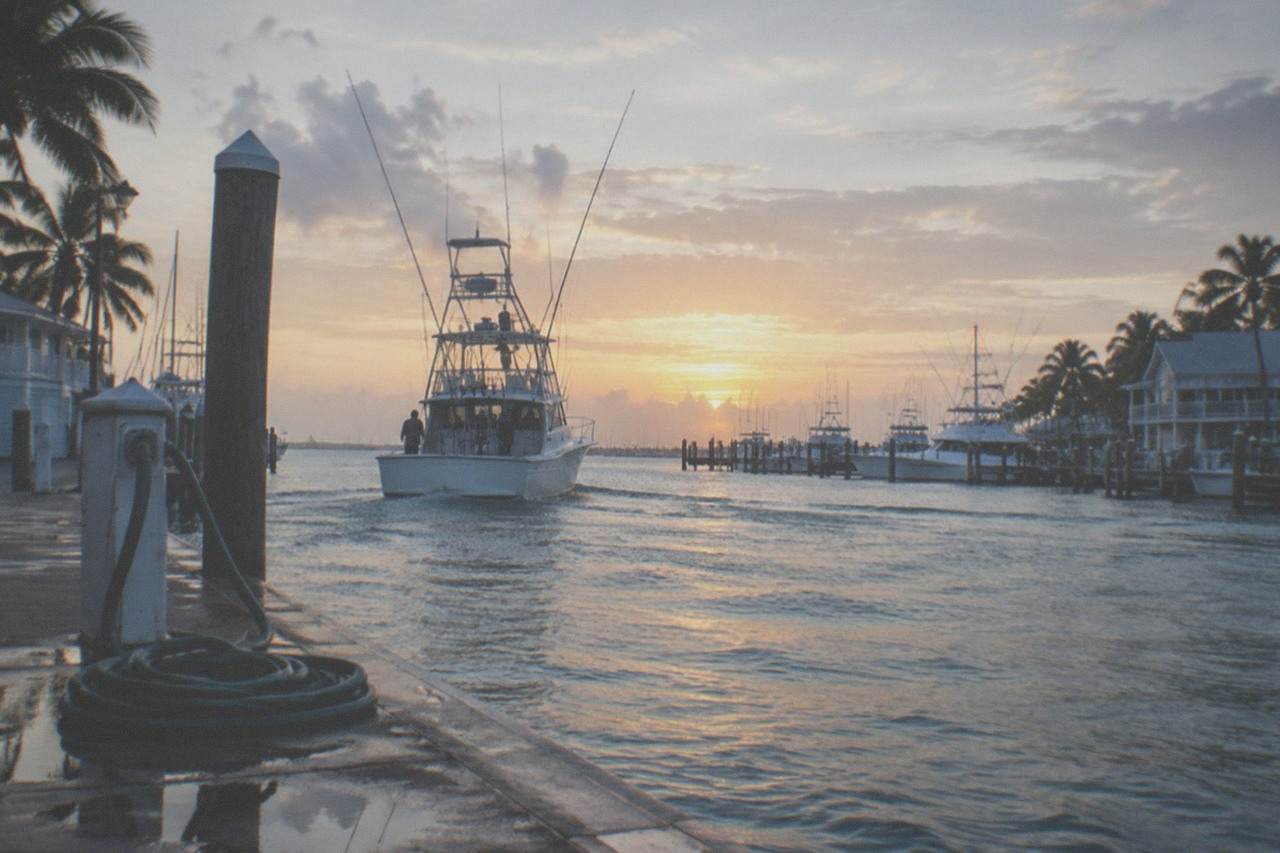
Is A Key West Fishing Charter Worth It?
For most visitors, yes: a Key West fishing charter is worth it, because the water around the island holds tarpon, mahi-mahi, snapper and grouper that are effectively unreachable without a boat, and the island's cheapest genuine fishing trip starts at $69.95 per person. Whether it is worth it for you specifically depends on your budget, your tolerance for open water, and whether you measure value in fish landed or in the experience itself.
That is the honest headline, and this article is going to defend it with numbers rather than enthusiasm. The question "is a fishing charter worth it?" is really three questions wearing one coat: can you afford it, will you catch anything, and would you have had a comparable day without it. The third question is the easiest to answer. Key West is a small island surrounded by shallow flats on one side and deep Atlantic and Gulf water on the other. The fish that made the place famous, tarpon, permit, sailfish, mahi-mahi, do not swim off the municipal beach. Without a boat you are fishing bridges and shorelines, which is a real fishery but a different one, and one that demands local knowledge of its own to produce consistently.
The second question, catch odds, is where honest writing matters most. No charter on earth guarantees fish, and any operator promising a guaranteed limit is overselling. What a good charter actually sells is probability: a captain who knows where the fish were yesterday, tackle matched to the species, and the legal ability to fish water you cannot reach. On this site's roster, the private-fishing-charter-experienced-captain trip run by Drop Off Sportfishing, rated 5.0 across 18 reviews, describes anglers landing mahi and cero mackerel with an experienced captain, which is the honest version of the pitch: real fish, real people, no promises. Reviews across the roster tell the same story in different registers, from the 505-review pool on the shared catamaran to the 45-review pool on the Ramrod Key flats trip, and the pattern is consistent enough to draw a conclusion from.
The first question, cost, deserves its own section, because the spread is enormous and because the cheapest option is not always the cheapest option once you count what is and is not included. Here is the short version of the market before we break it down.
What Does A Key West Fishing Charter Actually Cost?
Key West charters run from $69.95 per adult on a shared party boat to $1,595 per group for a private tarpon flats charter, with most private trips clustering between $750 and $1,050 for up to six anglers. Shared offshore trips sit in the middle at $200 to $250 per person. The price you pay buys the format: party boat, shared offshore, or fully private.
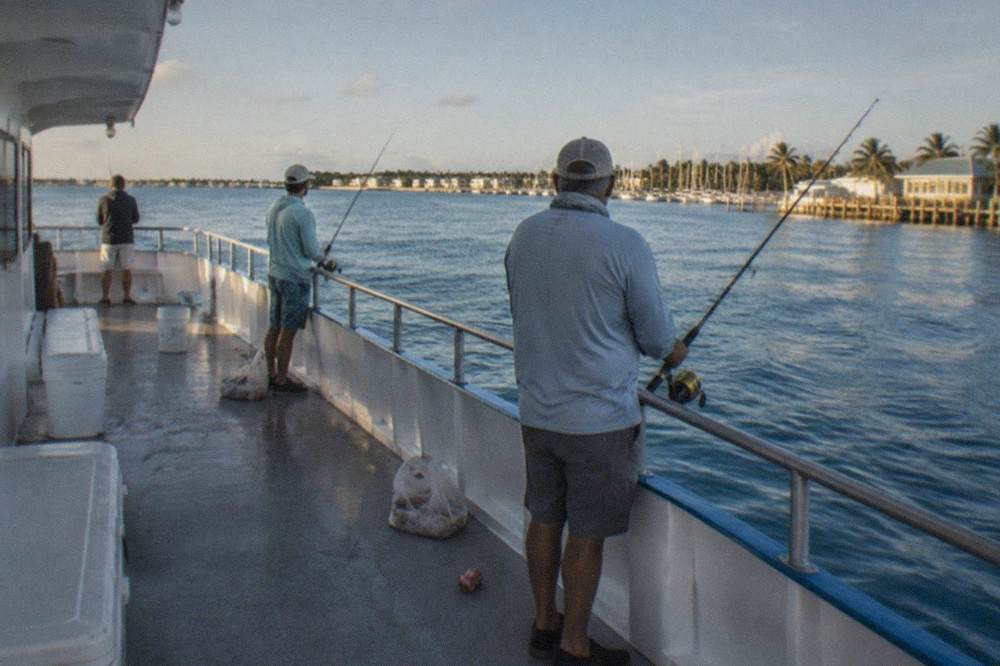
The cheapest genuine fishing in Key West is the 6-hour party boat run by Gulfstream Fishing, Inc., from $69.95 per adult with children around $42.95, carrying up to 45 travelers with license and bait included. It has 335 reviews on file. One step up, the shared catamaran half-day trip, a 64-footer with filleting included, is rated 4.5 across 505 reviews and costs from $95 per person. These are the value end of the market: you get a rod, a spot at the rail, and a boat that goes where fish live. What you give up is exclusivity and, on the party boat, the ability to choose your spot on the water, since forty-plus anglers fish the same drift together.
Private trips are a different product entirely. The roster's private options include a half-day inshore charter trolling backcountry channels, rated 5.0 across 72 reviews from $750 per group, and the Recon Sportfishing backcountry trip, 5.0 across 19 reviews from $800 per group for up to four anglers. At the top, the Ramrod Key tarpon flats charter fishes two to eight feet of water for tarpon, bonefish and permit at $1,595 per group, rated 5.0 across 45 reviews. For a deeper comparison of where the money goes, our guide to Key West charter costs breaks down every format line by line, including what each trip's inclusions are actually worth if you had to buy them separately.
| Format | Example trip | Price | Rating | Reviews |
|---|---|---|---|---|
| Shared party boat | 6-Hour Party Boat, Day or Night | From $69.95 per adult | No star rating on file | 335 |
| Shared party boat | Shared Catamaran, Filleting Included | From $95 per person | 4.5 | 505 |
| Shared offshore | 4-Hour Shared Offshore, Max 6 | From $200 per person | 4.0 | 32 |
| Shared offshore | 6-Hour Shared Offshore, Max 6 | From $250 per person | 4.5 | 34 |
| Private inshore | Private Inshore, Channel Trolling | From $750 per group | 5.0 | 72 |
| Private deep-sea | Private Sportfisher, Fighting Chair | From $1,000 per group | 4.8 | 114 |
| Private flats | Tarpon Flats Charter, Ramrod Key | From $1,595 per group | 5.0 | 45 |
One pricing quirk on the roster deserves attention. The Afternoon Private Deep-Sea Charter from Drop Off Sportfishing is priced per person rather than per group: from $54 per person, with the per-person rate falling as the group fills, running $54 to $156 depending on party size up to six. For a couple it is comparable to a shared trip; for a full group of six it undercuts most private charters badly while remaining fully private. It is rated 5.0 across 18 reviews, and its afternoon departure slot is a practical bonus for travelers who would rather not drag themselves to a marina at dawn.
That per-person pricing model is worth pausing on, because it changes the arithmetic of the whole decision. Most private charters charge one flat group rate whether you bring two people or six, which means a couple pays a premium for empty seats. A trip that scales down with headcount removes that penalty, and for families or friend groups of five or six it can make the private format cost less per person than a shared offshore seat. It is the single best answer on this roster to the objection that private charters are only for big spenders.
What Are Your Real Odds Of Catching Fish?
Honest answer: high for reef and snapper species, moderate for mahi and kingfish, and genuinely uncertain for glamour fish like tarpon, permit and sailfish, which is why serious anglers book around season windows rather than around price. Tarpon peak April through May, mahi run April through July with a second wave August through October, and sailfish peak November through March.
Catch odds are the part of the "worth it" calculation that marketing copy always inflates and skeptics always dismiss. The truthful position sits between the two. Reef fishing out of Key West, yellowtail and mutton snapper, is about as close to reliable as saltwater fishing gets; the private sportfisher trip that anchors this site's reef coverage, rated 4.8 across 114 reviews, fishes both deep water and reef on the same four-hour trip. Snapper are resident fish on the reef, and a competent crew can usually find them. The same trip also carries a fighting chair and outriggers, which means the boat can pivot from bottom fishing to trolling if the offshore bite is on, a flexibility that materially raises the chance of at least one quality fish coming over the rail.
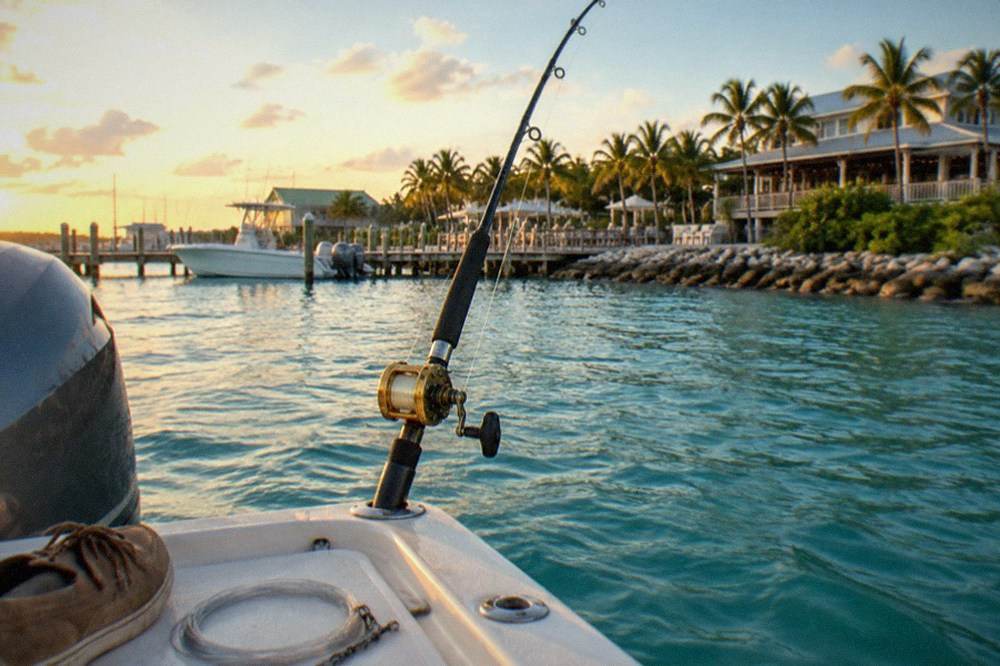
Pelagic fish are a different bet. Mahi-mahi migrate through in spring and early summer, with a second run from August through October that often brings larger fish, and the shared offshore trips, the 4-hour from $200 per person and the 6-hour from $250, are built around exactly this fishery. The six-hour version simply buys more water: a longer run into deeper sections where tuna and bigger mahi hold. Tarpon are the marquee species and the least predictable: the migratory fish that make the Keys famous generally show from February through July, with April and May the strongest window for fish over 100 pounds. The Ramrod Key flats charter targets them in water two to eight feet deep, which is the classic sight-fishing setup, but no operator can promise a hookup. Tarpon are also catch-and-release only statewide, with fish over 40 inches required to stay in the water, per the FWC's tarpon regulations, so the value of a tarpon trip is entirely in the fight, not the fillet.
Season timing, in other words, is the single biggest lever on whether your money converts into fish. A $95 party boat ticket in May, when yellowtail are active and mahi are passing through, will often outfish a $1,000 private charter booked in a dead week. That is not an argument against the expensive trip; it is an argument for checking the calendar before the credit card. Our month-by-month Key West fishing season guide maps every species window against price, and it is the read we would put in front of anyone trying to time a first trip.
What Does The Crew Bring That You Cannot?
A charter crew contributes local knowledge built over years, tackle matched to the day's target species, bait rigged before you board, and the legal and regulatory fluency to fish sanctuary zones and shifting seasons without a citation. That last item is underrated: the waters around Key West are layered with state, federal and sanctuary rules that change by executive order.
The knowledge part is what you are really renting. A Key West captain who has run the same water for years knows which channel holds tarpon on an incoming tide, where the weed lines formed after the last wind shift, and which reef patches produced yellowtail yesterday. That information decays fast, which is why it cannot be googled: a fishing report from two weeks ago is close to useless, and the captain who was on the water this morning has the only current version. Anglers on the roster's trips consistently credit the crew in their reviews: the shared offshore products, max six travelers, are explicitly built around one-on-one coaching from captain and mate, which is a format designed for people who have never held a saltwater rod.
The regulatory part is less glamorous and more consequential. Florida requires every angler to hold a personal recreational saltwater license to land saltwater fish, and a captain's for-hire license covers the operation of the trip, not the guests; the fee schedule and the exemption rules are published by the FWC licensing page. Separately, the Florida Keys National Marine Sanctuary overlays no-take zones on top of state and federal fishery rules, zones that were redrawn by the 2025 Restoration Blueprint. The official sanctuary regulations page carries the current zoning. A good crew keeps you legal in all three layers simultaneously, which is a service that has no shore-based substitute, and one that most visitors never notice because it works silently.
Gear is the visible part of the package. Every trip on this site's roster includes rods, tackle and bait, and several include live bait, as with the 24ft Pathfinder bay boat trip run by Live Action Sportfishing, rated 5.0 across 14 reviews from $800 per group. For a visitor, that is real money avoided: flying with saltwater tackle is expensive and miserable, and buying it on arrival for one trip is worse. Add the license, the bait, the ice and the local knowledge, and the sticker price of a charter starts to look less like a splurge and more like a bundled purchase that happens to include a boat.
When Is A Charter Not Worth It?
A charter is poor value if you get seasick easily and have not prepared for it, if you book a private trip for a group that would have been just as happy on a $95 party boat, or if you measure success solely in fillets, since four hours of fishing rarely beats a fish market on pure economics. It is also weak value for anglers unwilling to fish around season windows.
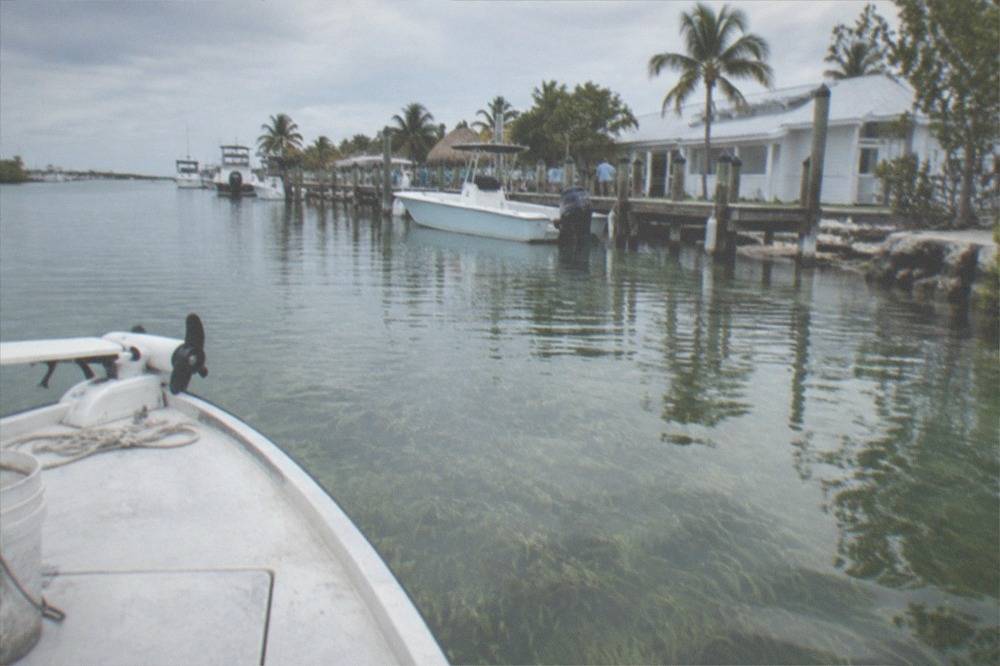
Honesty requires the objections be stated plainly. The first is seasickness. The offshore runs, up to 18 miles out on the private sportfisher, cross open Atlantic water, and a miserable angler has bought an expensive boat ride. If open water is a known problem, a backcountry trip such as the half-day Recon Sportfishing charter, which stays within 13 miles of Key West in shallower, calmer water, is the format that fits. Our seasickness guide for Key West charters covers prevention in detail, and the short version is that medication taken before departure works far better than anything taken after the stomach turns.
The second objection is mismatched format. A family of four with two teenagers who mostly want to say they went fishing in Key West does not need a $1,595 private flats charter; the shared catamaran at from $95 per person, with filleting included and a 4.5 rating across 505 reviews, is built precisely for them (see Tarpon Fishing Guide). Conversely, a serious angler who buys a party boat ticket and then resents 44 strangers at the rail has made the same mistake in the other direction. Our private charter versus party boat comparison walks the decision. The third objection is economics: if the goal is dinner, four hours of charter fishing at any price on this roster costs more per fillet than any market on the island. The charter sells the day, the skill and the story, and the fillets ride along as a bonus.
First-Timer Versus Repeat Angler: Different Math
For a first-timer, a charter is almost always worth it, because the alternative is fishing blind with rented gear and no local knowledge, and the shared formats price the experience under $100. For a repeat or specialist angler, worth it means something narrower: access to a specific species in its season, on a boat and with a captain matched to that fishery.
The first-timer calculus is generous. Someone who has never fished salt water gains the most from any competent trip: the 6-hour party boat at from $69.95, the shared offshore trips at $200 to $250 per person, or the per-person private charter at $54 to $156 all deliver rod, bait, coaching and fishable water. The failure mode for first-timers is not the money, it is the mismatch: booking a tarpon flats specialist when what they wanted was a relaxed half-day with a cooler. The shared catamaran, with its all-skill-levels framing and filleting service, exists for exactly this customer, and its 505-review pool is largely made of people who arrived as first-timers and left as anglers.
The repeat angler's calculus is colder and more species-driven. A returning tarpon fisherman is not asking whether fishing is fun; they are asking whether this captain fishes two-to-eight-foot water on the right tides in the April-May window, which is what the Ramrod Key charter sells. An offshore specialist is comparing the 6-hour shared run, which reaches deeper water for tuna and mahi, against the private sportfisher with outriggers and a fighting chair, rated 4.8 across 114 reviews. For this reader, "worth it" is a question about the specific boat, and our side-by-side comparison of Key West charters is the more useful page than any general verdict.
Both readers, though, are buying the same underlying thing from Key West Fishing Tours' roster of verified operators: a day on water they could not otherwise fish. The honest editorial position is that the shared formats make the experience cheap enough to test, and the private formats make it good enough to repeat. Very few visitors regret the first; the regrets cluster around booking the wrong one, and that is a fixable problem, not a reason to stay ashore.
Common Questions About Key West Fishing Charters
Is A Fishing Charter Worth It?
For most visitors, yes. Key West charters start at $69.95 per person for a shared party boat and run to $1,595 per group for a private flats trip, and every format on the market puts you on fishable water with gear, bait and a crew. It is not worth it if you measure value purely in fillets, if you get severely seasick on open water, or if you book a format that does not match your group.
How Much Should I Expect To Pay For A Key West Fishing Charter?
Shared party boats run from $69.95 to $95 per person, shared offshore trips $200 to $250 per person, and private charters $750 to $1,595 per group depending on boat and target species. One private trip, the Afternoon Private Deep-Sea Charter, is priced per person at $54 to $156 with the rate falling as the group fills.
Will I Actually Catch Fish On A Charter?
Probably, but not certainly. Reef species like yellowtail and mutton snapper are the most reliable targets, mahi and kingfish are seasonal but productive, and glamour species like tarpon, permit and sailfish are never guaranteed. Booking inside the right season window, tarpon April-May, mahi April-July, sailfish November-March, materially improves your odds.
Does The Captain's License Cover Me, Or Do I Need My Own Fishing License?
You need your own. A licensed captain's for-hire vessel license covers the operation of the trip but does not exempt individual guests. A Florida non-resident saltwater license costs $17 for three days, $30 for seven days or $47 for the year, per the FWC's licensing page, though some age and disability exemptions apply.
Is A Private Charter Better Than A Party Boat?
Neither is better; they are different products. A private charter buys exclusivity, targeted species and one-on-one coaching. A party boat buys low cost, a social atmosphere and included basics like bait and filleting. Families and first-timers often do better on the shared formats; serious anglers almost always do better private.
What If I Get Seasick Easily?
Choose a backcountry or inshore trip, which stays in shallower, protected water, rather than an offshore run. The half-day backcountry charter stays within 13 miles of Key West. Prepare with medication taken before departure, and read our seasickness guide for a fuller prevention plan.