Tarpon Fishing In Key West: Season, Rules, And The Charters Built For It
Tarpon are the fish that made the Keys famous among serious anglers, and Key West sits at the southern end of a migration that pushes hundred-pound fish into water barely deep enough to float them. Here is when the run actually peaks, what Florida's rules demand, and which charter formats are built for the fight.
Short answer
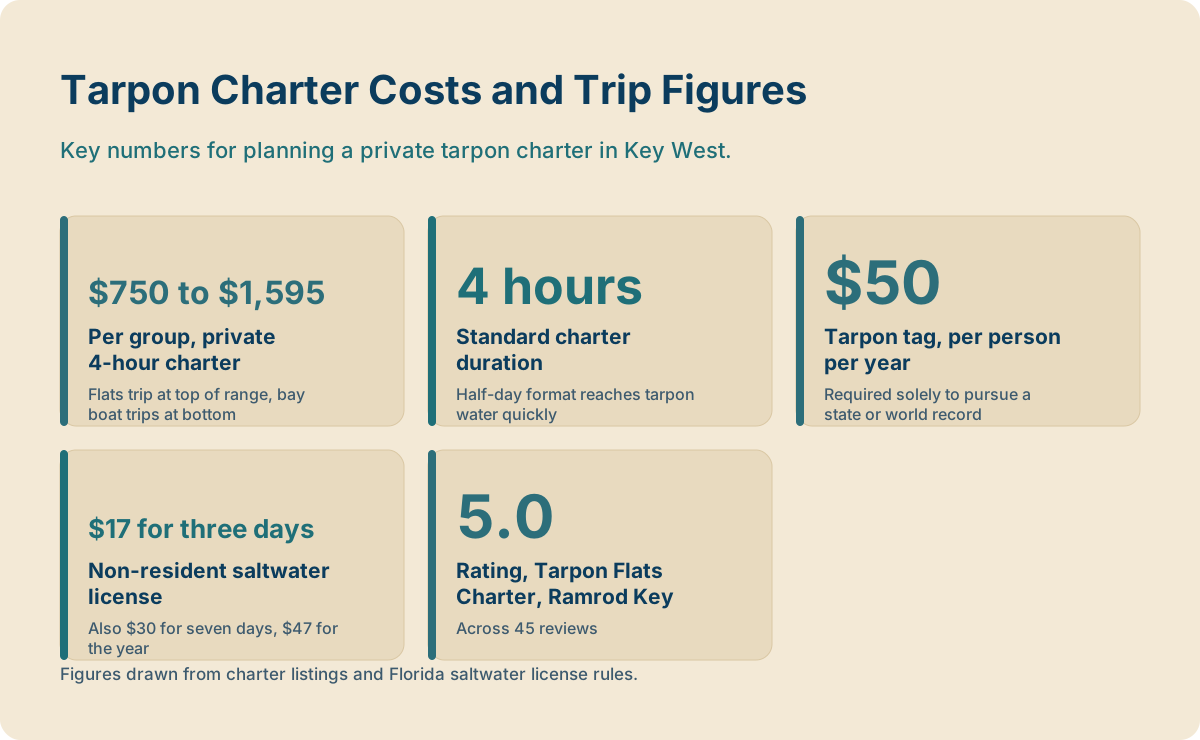
Tarpon fishing in Key West peaks April through May, when migratory fish flood the backcountry and flats, though the season runs roughly February through July. Tarpon are catch-and-release only statewide, fish over 40 inches must stay in the water, and a flats or backcountry charter from about $750 to $1,595 per group is the format built for them.
Tarpon are the reason a lot of anglers first look at Key West Fishing Tours in the first place. The silver king is the marquee fish of the Florida Keys, a hard-fighting, acrobatic species that grows well past 100 pounds, and the shallow backcountry and flats south and west of Key West are one of the places it shows up in genuinely large numbers. Charter calendars and guide reports for 2026 describe migrating schools flooding the shallows in spring, with tarpon listed as prime from March through June. This guide lays out the season, the regulations, the costs, and the charter formats that actually match the fishery, using the twelve verified charters bookable on this site.
Why Is Key West A Tarpon Destination?
Key West sits at the southern end of the Florida Keys tarpon migration, close to both the shallow Gulf backcountry and the Atlantic-side flats where big fish feed in water two to eight feet deep. That geography means a four-hour charter can reach productive tarpon water quickly, and the spring fish here include migratory adults often exceeding 100 pounds. It is one of the few places where a half-day trip is a realistic tarpon trip.
The mechanics are simple. Migratory tarpon move up the Keys chain as water temperatures climb in spring, pausing in basins, channels, and flats where bait collects. Around Key West that means the backcountry west of the island, the flats around the Marquesas and beyond, and the shallow banks that sit within easy running distance of the docks. The fish are visible when they roll at the surface, which is part of what makes the fishery so compelling: you are hunting, not just soaking bait.
The tarpon charters on this site's roster reflect that geography. The Mile Marker 27 Fishing Charters flats trip, tarpon-fishing-ramrod-key, fishes depths of two to eight feet for tarpon alongside bonefish, permit, barracuda, and snapper, rated 5.0 across 45 reviews and from $1,595 per group. Live Action Sportfishing's private bay boat, private-inshore-fishing-charter, runs a 24-foot Pathfinder targeting tarpon, permit, cobia, snapper, and shark with live bait included, rated 5.0 across 14 reviews and from $800 per group. Both are built for the same shallow-water game.
What separates tarpon from the rest of the Key West catch is the fight. A big tarpon gulps air, jumps, and pulls in sustained runs that test tackle and anglers alike, which is why the species has a tournament culture of its own. The March Merkin Permit Tournament and the IGFA Permit Invitational fish the same shallow-water country around Key West and the Lower Keys, and the flats guides who support those events are the same network running recreational tarpon trips. For a broader look at the shallow-water fishery these charters work, see our Key West backcountry and flats fishing guide.
When Is Tarpon Season In Key West?
The tarpon run around Key West runs roughly February through July, with April and May the strongest window for large migratory fish. A 2026 telemetry study found peak adult occupancy in May as water temperatures reach 79 to 82 degrees Fahrenheit, with median arrivals in mid-to-late April and departures in late May or early June. Charter calendars for 2026 list tarpon as prime in March, April, May, and June.
That April-May concentration is the single most useful planning fact. Anglers booking a spring trip are fishing the heart of the migration, when schools of large adults move through the shallows and the odds of a legitimate shot at a hundred-pound fish are at their best. Reports from Key West guides in April and May 2026 describe migrating schools flooding the shallows and backcountry. Before and after the peak, resident fish and early or late arrivals keep the flats productive, and the February start of the window means a late-winter trip is not a wasted one.
Month by month, the pattern looks like this:
| Month | Tarpon activity around Key West |
|---|---|
| January | Resident fish in deeper basins; not a primary tarpon month |
| February | Season opens; early migratory fish begin arriving |
| March | Prime per 2026 charter calendars; big fish moving in |
| April | Peak arrivals; strong migratory schools in shallows |
| May | Confirmed peak adult occupancy per telemetry study |
| June | Prime; late-season migratory fish and residents |
| July | Season tapers; resident fish remain on flats |
If your dates are flexible, April and May are the months to build a trip around, and booking early matters because flats guides fill those weeks first. For the full picture across every species, our month-by-month Key West fishing season guide breaks down what else is biting while tarpon move through.
What Are Florida's Tarpon Fishing Rules?
Tarpon are catch-and-release only statewide, in both Florida and federal waters, with no harvest allowed. Fish over 40 inches fork length must remain in the water and cannot be lifted out for photos. Only hook-and-line gear is legal, a tarpon tag costing roughly $50 is required solely to pursue a state or world record, and each angler still needs a personal Florida saltwater license even on a licensed charter.
The no-harvest rule is the headline. Florida closed the tarpon fishery to take years ago, and the state is explicit that the fishery is release-only everywhere it swims. The over-40-inches provision matters to anglers used to trophy photos: a big tarpon must stay in the water during release, so the classic hold-up-the-fish picture is off the table and, more importantly, off the law. The full rules are published on the FWC tarpon page.
| Rule | What it means on the water |
|---|---|
| Harvest | Catch-and-release only, statewide, state and federal waters |
| Fish over 40" | Must remain in the water; cannot be landed or lifted |
| Gear | Hook and line only; snatch hooking and spearing prohibited |
| Tarpon tag | About $50, one per person per year, record pursuit only |
| Transport | Vessel limit of one fish |
The license point catches many visitors off guard. A licensed captain's for-hire vessel license covers the operation of the trip, but it does not exempt individual guests from holding their own recreational saltwater license. Non-resident licenses cost $17 for three days, $30 for seven days, or $47 for the year, so a short trip license is a modest line item on top of the charter. Our Key West fishing license requirements guide walks through the exemptions and the buying process.
One more layer applies around Key West specifically. The Florida Keys National Marine Sanctuary overlays state and federal rules with marine zoning that includes no-take Sanctuary Preservation Areas and Ecological Reserves, marked with yellow buoys. Catch-and-release fishing is only permitted in specific SPAs, and the January 2025 Restoration Blueprint final rule adjusted several zones and added a new Turtle Rocks SPA. Charter captains know the boundaries, but anglers should understand they exist. The official zoning detail lives at floridakeys.noaa.gov, and our sanctuary fishing rules explainer covers what changed.
What Does A Tarpon Flats Charter Actually Look Like?
A tarpon charter out of Key West is a private, small-boat trip: four hours on a flats skiff or bay boat, poling or drifting water two to eight feet deep, with a captain who reads tide, wind, and rolling fish to position you for a cast. Tackle, bait, and fishing knowledge are included, the group is yours alone, and the whole format is built around sight-fishing one of the hardest-fighting fish in saltwater.
The experience is closer to hunting than to the party-boat model. The captain idles or poles across a flat, watching for tarpon rolling at the surface or moving as silver flashes. When fish appear, you get a short window to make an accurate cast ahead of them, then a hookup that can turn into a jumping, air-gulping fight lasting well past the ten-minute mark on a big fish. Miss the cast and the school moves on, which is why the captain's local knowledge is the real product.
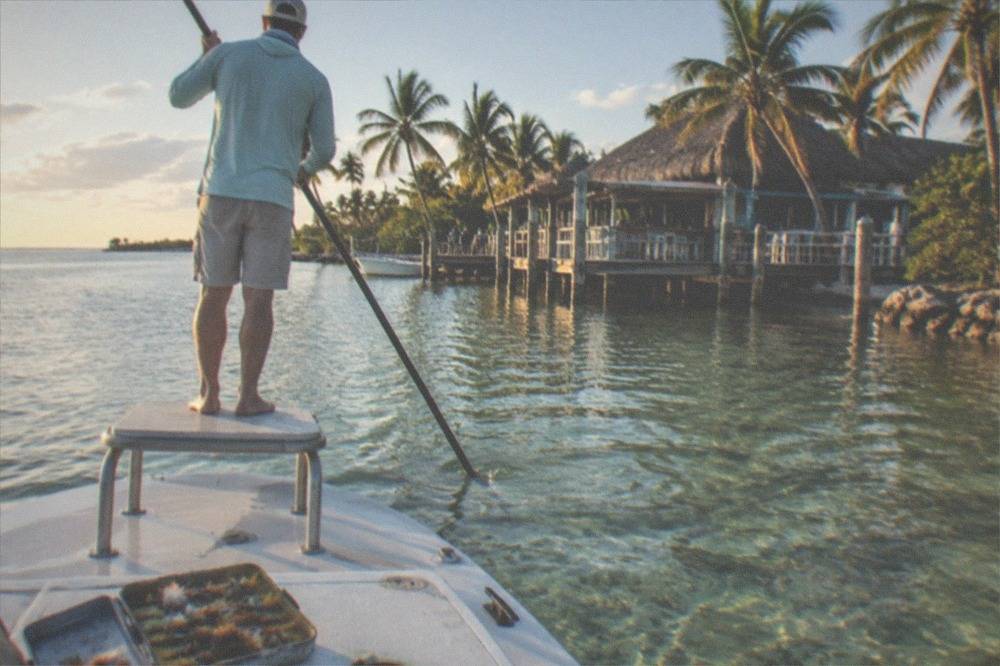
The roster's dedicated flats product, tarpon-fishing-ramrod-key, is the clearest example. Mile Marker 27 Fishing Charters fishes the shallow water where tarpon, bonefish, and permit live, on a four-hour private trip rated 5.0 across 45 reviews, from $1,595 per group. That is a premium price for a premium format: a specialized boat, a specialist guide, and the fishery's most technical fishing. Anglers who want tarpon without the fly-rod learning curve can also catch them on live bait from the private inshore charters, which troll backcountry channels for tarpon, shark, and snapper in the same four-hour window.
Because tarpon fishing is sight-fishing, conditions matter more than on most charters. Calm mornings with good light produce the best visibility, and spring cold fronts that wind up can shut down the flats for a day. Booking a trip with flexible dates, or a captain willing to switch to a backup plan such as channel fishing, protects your day. It is also why the free-cancellation terms on many of these listings are worth reading before you book: weather moves in the Keys, and the best captains reschedule rather than fish a blown-out flat.
How Much Does A Tarpon Charter In Key West Cost?
Private tarpon-capable charters on this site run from $750 to $1,595 per group for four hours, with the dedicated flats trip at the top of that range and live-bait bay boat trips at the bottom. There is no shared or party-boat tarpon product: the format is private by nature, so a group of two to four anglers splits one price rather than paying per person.
The price spread tracks specialization. Here is how the tarpon-capable private charters compare:
| Charter | Format | Duration | Rating | Price |
|---|---|---|---|---|
| Tarpon Flats Charter, Ramrod Key | Private flats, 2-8 ft water | 4 hours | 5.0 across 45 reviews | From $1,595 per group |
| Private Bay Boat, Live Bait Included | Private bay boat, live bait | 4 hours | 5.0 across 14 reviews | From $800 per group |
| Private Inshore, Channel Trolling | Private inshore, channels | 4 hours | 5.0 across 72 reviews | From $750 per group |
| Private Backcountry, Coolers Included | Private backcountry, up to 4 | 4 hours | 5.0 across 19 reviews | From $800 per group |
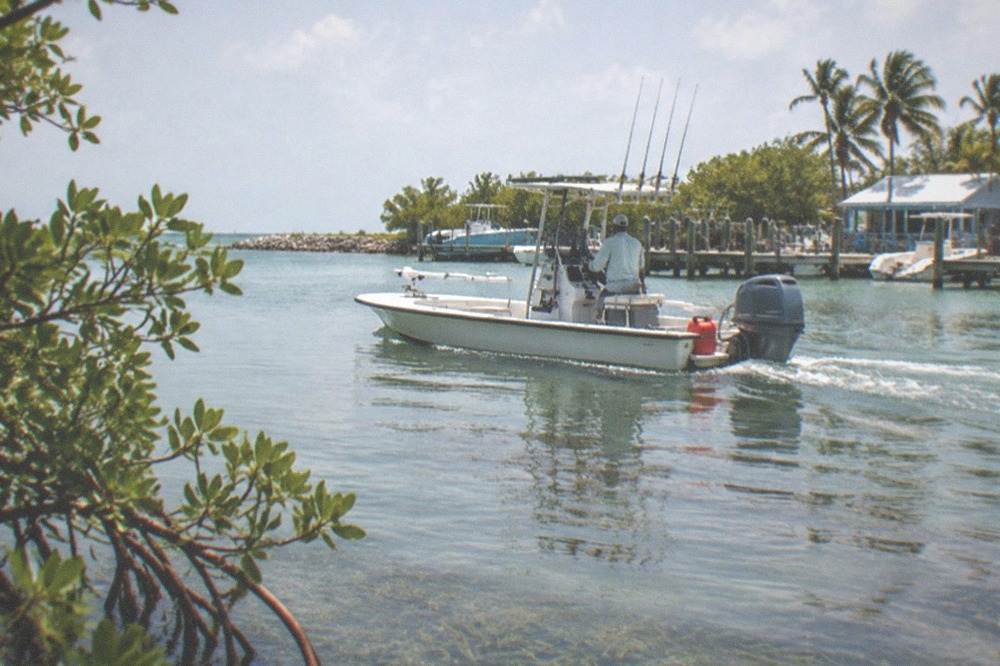
What the table does not show is what is bundled. The bay boat trip includes live bait, rods, tackle, and license coverage for the operation; the backcountry trips include gear and coolers; the flats trip includes the specialist guide and shallow-draft boat that make technical tarpon fishing possible. None of them include your personal saltwater license, which is the one add-on every angler needs to budget separately. For the full cost picture across every format, see our guide to Key West charter pricing.
For budget comparison, the shared formats on this site start far lower, from $69.95 per person on a party boat, but none of them target tarpon. That is not a knock on those products; it is a statement about the fishery. Tarpon fishing requires shallow water, quiet boats, and individual coaching, and that only happens on a private trip. Our private charter versus party boat comparison covers the trade-offs in detail.
What Should You Bring On A Tarpon Charter?
Bring polarized sunglasses, sun protection, non-marking shoes, water, and your Florida saltwater license; the boat provides rods, tackle, bait, and the captain's knowledge. Polarized sunglasses are the single most important item, because seeing the fish before casting is the entire game, and a tarpon you cannot see is a tarpon you cannot catch.
The sunglasses point deserves emphasis. Polarized lenses cut surface glare and let you spot rolling fish, dark shadows, and the gold flash of a tarpon over white sand. Guides consistently rank them above any piece of gear the angler owns. Beyond that, the practical list is short:
| Item | Why it matters |
|---|---|
| Polarized sunglasses | Cut glare; essential for sight-fishing |
| Hat and reef-safe sunscreen | Spring sun on open water is intense |
| Non-marking closed-toe shoes | Protect feet and the boat deck |
| Water and snacks | Four hours in the sun dehydrates fast |
| Saltwater license | Required per angler even on a charter |
| Light rain layer | Spring fronts can pass quickly |
Most operators on this roster supply everything else, including tackle and bait, so over-packing is the more common mistake. Our what to bring on a Key West fishing charter guide has the full checklist, and the seasickness tips guide is worth a read if open-water runs are new to you, though flats fishing in protected water is far gentler than an offshore day.
How Do You Book A Tarpon Charter Well?
Book a tarpon charter by matching your dates to the April-May peak, choosing a private flats or backcountry format, confirming free cancellation, and reserving early because the best spring weeks fill first. Read the listing for what is included, check that the captain fishes the shallow water tarpon actually hold in, and buy your saltwater license before the morning of the trip.
Timing drives everything else. A trip in the peak window justifies the premium flats format, while shoulder-season dates in February or July might suit the less specialized inshore charters, which still put tarpon, shark, and snapper in the catch. The half-day length of most of these trips, four hours, is genuinely adequate for tarpon because the fish hold close to shore. Our half-day versus full-day charter comparison goes deeper on that trade.
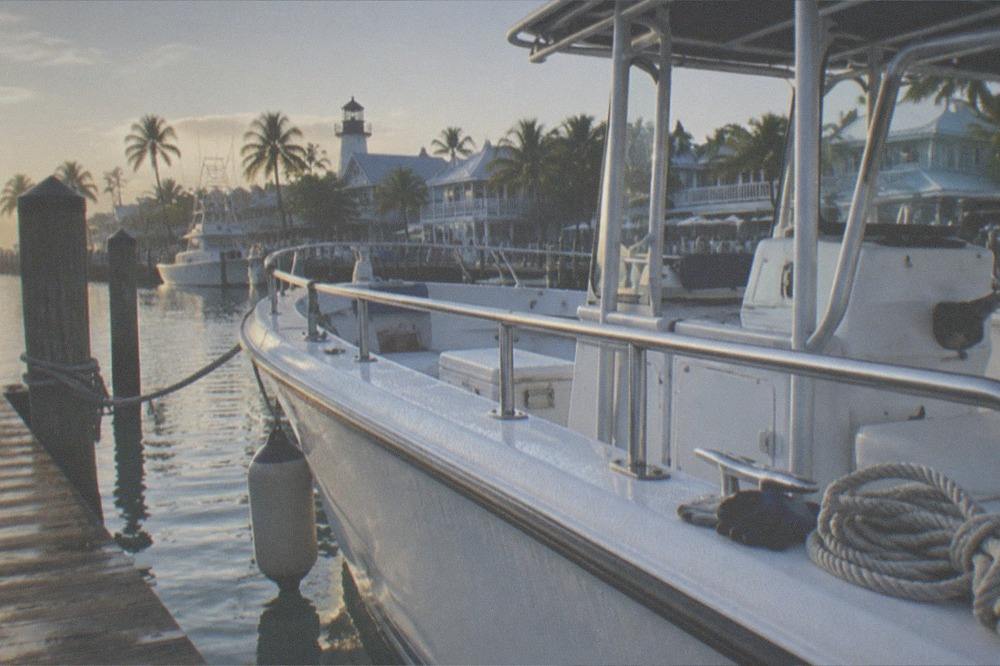
When you compare listings, weigh three things. First, the boat: a flats skiff or bay boat that drafts inches of water reaches fish a bigger vessel cannot. Second, the reviews: the tarpon-capable charters here carry 5.0 ratings across 14 to 72 reviews, and review counts that size mean the rating is earned, not a handful of lucky trips. Third, the terms: spring weather moves, and a listing with flexible rescheduling protects your money. Charter crews commonly watch the forecast for days ahead and will call a reschedule before you ever have to ask.
The last piece is expectations. Tarpon are called the silver king for a reason, but they are also moody, weather-sensitive fish, and even great days include missed casts and fish that refuse. The honest framing from guides is that a shot at a tarpon is the product, and in April and May on the Key West flats, shots come often.
Common Questions About Tarpon Fishing In Key West
When Is Tarpon Season In Key West?
The season runs roughly February through July, with April and May the strongest window for large migratory fish. A 2026 telemetry study found peak adult occupancy in May at water temperatures of 79 to 82 degrees Fahrenheit, with median arrivals in mid-to-late April. Charter calendars for 2026 list tarpon as prime in March, April, May, and June.
Can You Keep Tarpon In Florida?
No. Tarpon fishing is catch-and-release only statewide, in both state and federal waters. Fish over 40 inches fork length must remain in the water and cannot be lifted for photos. A tarpon tag, roughly $50 and one per person per year, is required only if pursuing a state or world record.
Do I Need A Fishing License For A Tarpon Charter?
Yes. A licensed captain's for-hire vessel license covers the operation of the trip but does not exempt individual anglers from holding their own Florida saltwater license. Non-resident licenses cost $17 for three days, $30 for seven days, or $47 annually, unless you qualify for a specific exemption.
How Much Does A Tarpon Fishing Charter In Key West Cost?
Private tarpon-capable charters on this site run from $750 to $1,595 per group for four hours. The dedicated flats trip, tarpon-fishing-ramrod-key, is from $1,595 per group and rated 5.0 across 45 reviews. There is no shared or party-boat tarpon format; the fishery requires a private trip.
Where Do Tarpon Charters Fish Around Key West?
They fish the shallow backcountry and flats, in water two to eight feet deep, west and north of Key West and along the Lower Keys. The Mile Marker 27 flats charter fishes exactly that depth range for tarpon, bonefish, permit, barracuda, and snapper. The same shallow-water country hosts permit tournaments like the March Merkin.
What Should I Wear On A Tarpon Charter?
Wear polarized sunglasses, a hat, reef-safe sunscreen, and non-marking closed-toe shoes, and bring water. Polarized sunglasses are the most important item because tarpon fishing is sight-fishing: you need to see the fish to cast to it. The boat supplies rods, tackle, and bait.