Is Key West Good For Deep Sea Fishing?
Key West's proximity to the Gulf Stream makes it one of Florida's top deep-sea fishing ports. A look at the species, seasons, charters and how it compares to other destinations.
 By Key West Fishing Tours Editorial Desk, Key West fishing charter research and booking desk
Is Key West Good For Deep Sea Fishing?
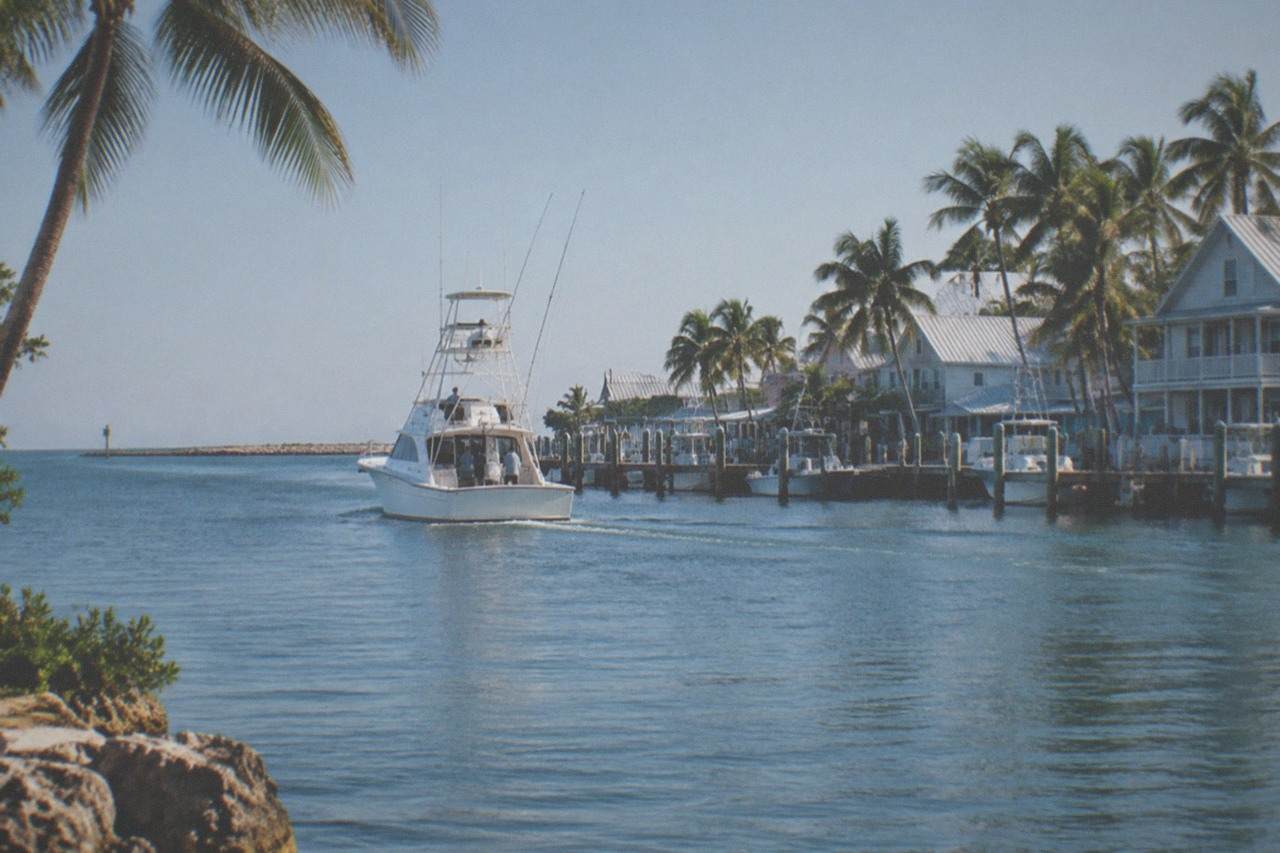
Yes, Key West is one of the best deep-sea fishing destinations in Florida because the Gulf Stream flows closer to shore here than almost anywhere else on the U.S. Atlantic coast, putting pelagic species like mahi-mahi, tuna, sailfish and wahoo within a short run of the dock.
The island sits at the southernmost tip of the continental United States, where the deep blue water of the Florida Straits sweeps past just a few miles offshore. That geography means a charter can reach productive blue water in 30 to 45 minutes, instead of the two- or three-hour steam common from ports farther north. Anglers who book a half-day trip out of Key West often spend more time with lines in the water than they would on a full-day trip from Fort Lauderdale or Miami, where the continental shelf extends much farther east.
This proximity also shapes the charter fleet. Deep-sea operators in Key West run everything from small-group shared trips on 64-foot catamarans to private sportfishers with fighting chairs and outriggers. The Key West Fishing Tours roster includes a dozen verified products, and the deep-sea category alone covers four distinct formats: shared offshore (max 6 anglers), private sportfisher, a classic 45-foot Hatteras with an air-conditioned cabin, and a private afternoon charter that scales its per-person price with group size.
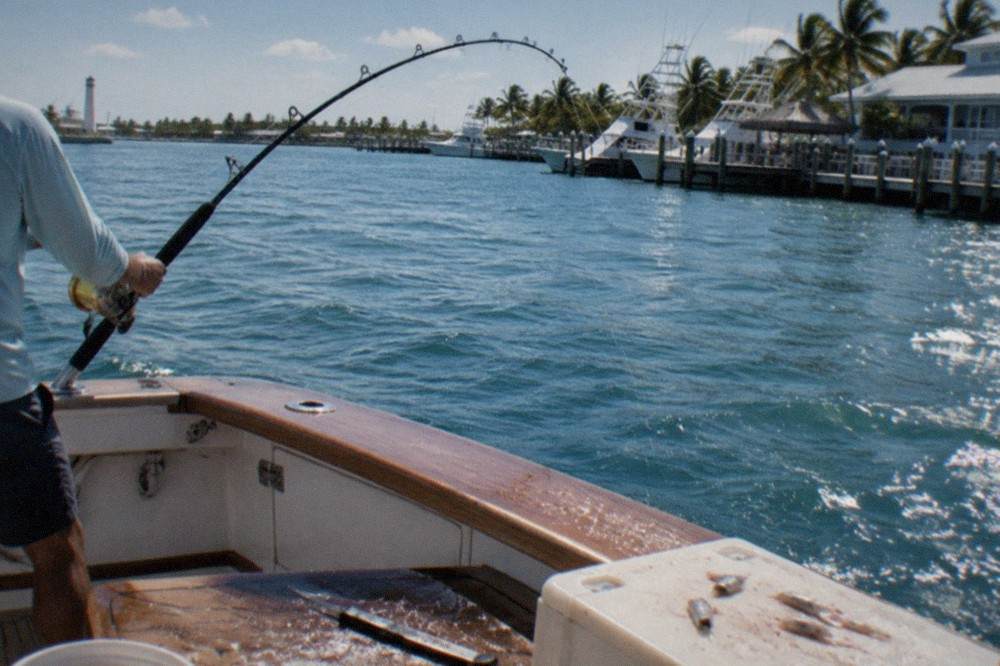
The deep-sea charter you pick changes the experience significantly. A shared trip like the 6-hour shared offshore (max 6 travelers, rated 4.5 from 34 reviews, from $250 per person) puts you on a boat with a small group and a mate who coaches each angler one-on-one. A private sportfisher like the 4.8-rated, 114-review charter (from $1,000 for up to six) gives you the boat to yourself with a fighting chair, outriggers and a live bait tank. The 45-foot Hatteras "Cowgirl" (rated 4.8 from 16 reviews, from $1,050 per group) has been operating since 1965 and adds an air-conditioned cabin for a more comfortable ride. These three products illustrate the range, and the right pick depends on whether you want a social trip, a private boat, or a boat with a cabin.
What Species Can You Catch Deep-Sea Fishing In Key West?
Key West deep-sea charters target a mix of pelagic and reef species that rotate through the year, with mahi-mahi, blackfin tuna, sailfish and wahoo leading the offshore catch, while mutton and yellowtail snapper and grouper show up on reef drops.
The Gulf Stream delivers a conveyor belt of migratory fish. Mahi-mahi (dolphinfish) show up in two waves: a spring run from April through June and a second pulse from August into October, often with larger fish in the fall. Blackfin tuna are reliable from January through June and again in September and November, frequently found feeding behind shrimp boats. Sailfish run strongest November through March, with January typically the peak month. Wahoo appear in winter and transition months, with prime windows in January–February and again in August–September and November–December.
| Species | Peak Months (2026) | Notes |
|---|---|---|
| Mahi-mahi | Apr–Jun, Aug–Oct | Two migrations; fall fish often larger |
| Blackfin tuna | Jan–Jun, Sep, Nov | Often found behind shrimp boats |
| Sailfish | Nov–Mar (peak Jan) | Winter run; Key West Sailfish Tournament Mar 26–28 |
| Wahoo | Jan–Feb, Aug–Sep, Nov–Dec | High-speed trolling targets |
| Mutton snapper | Jan, Apr–Oct | Reef and wreck fishing; 18" min, 5 per person |
| Yellowtail snapper | Jan, May, Nov–Dec | Consistent on patch reefs; 12" min, 10 per person |
| Grouper (aggregate) | Jan–Feb, Apr–Oct (when open) | Seasons shift; check FWC before booking |
The table shows peak windows compiled from charter calendars and fishing reports, not a guarantee. Weather, water temperature and the exact path of the Gulf Stream shift daily. A good captain will adjust the plan based on what's running, and many deep-sea trips out of Key West will mix trolling for pelagics with bottom fishing on the reef edge when the offshore bite slows.
The private sportfisher charter (deep-sea-fishing-big-fish) is built for exactly this kind of mixed trip. It runs up to 18 miles offshore with outriggers, a fighting chair and a live bait tank, and the captain can pivot from trolling for mahi to dropping on a wreck for mutton snapper within the same 4-hour window. That flexibility is one reason the charter holds a 4.8 rating across 114 reviews.
What Types Of Deep-Sea Charters Are Available In Key West?
Key West's deep-sea charter fleet splits into four main formats: small-group shared trips (max 6 anglers), private sportfishers with a fighting chair, a classic 45-foot Hatteras with an air-conditioned cabin, and private afternoon charters where the per-person price drops as the group fills.
The shared offshore trips are the most accessible. The 4-hour shared deep-sea trip (rated 4.0 from 32 reviews, from $200 per person) and the 6-hour version (rated 4.5 from 34 reviews, from $250 per person) both cap at six travelers and include one-on-one coaching from the mate. The longer trip reaches deeper water and gives you more time over the reef edge, which matters when the pelagic bite is slow and the captain switches to bottom fishing for snapper and grouper.
On the private side, the deep-sea-fishing-big-fish charter is the roster's anchor product for reef and offshore fishing. It's a 4-hour private trip on a sportfisher with outriggers, a fighting chair and a live bait tank, running up to 18 miles offshore. The 4.8 rating from 114 reviews is the highest review count of any private deep-sea product on the site, and the $1,000 group price covers up to six anglers.
The 45-foot Hatteras "Cowgirl" (rated 4.8 from 16 reviews, from $1,050 per group) adds an air-conditioned cabin and a history that goes back to 1965, appealing to anglers who want a smoother ride and a break from the sun. And the afternoon private deep-sea charter (rated 5.0 from 18 reviews, from $54 per person when the boat is full, scaling up to $156 for a solo angler) offers a per-person pricing model that rewards larger groups, a rarity in the private charter market.
| Charter | Type | Duration | Price | Rating / Reviews | Key Feature |
|---|---|---|---|---|---|
| 4-Hour Shared Offshore | Shared (max 6) | 4 hours | From $200/person | 4.0 / 32 reviews | Small-group coaching |
| 6-Hour Shared Offshore | Shared (max 6) | 6 hours | From $250/person | 4.5 / 34 reviews | Deeper water reach |
| Private Sportfisher, Fighting Chair | Private (up to 6) | 4 hours | From $1,000/group | 4.8 / 114 reviews | Outriggers, live bait tank |
| 45ft Cowgirl, AC Cabin | Private (up to 6) | 4 hours | From $1,050/group | 4.8 / 16 reviews | Air-conditioned cabin, 1965 boat |
| Afternoon Private Deep-Sea | Private (up to 6) | 4 hours | $54–$156/person | 5.0 / 18 reviews | Per-person price scales with group |
For a side-by-side comparison of every deep-sea product on the roster, see our Key West deep sea fishing guide, which breaks down each charter by price, duration, rating and what's included.
How Does Key West Compare To Other Florida Deep-Sea Ports?
Key West's main advantage over Miami, Fort Lauderdale and the Panhandle is the short run to the Gulf Stream, which turns a half-day trip into a genuine deep-sea experience instead of a long boat ride with limited fishing time, and the fleet's small-group and private focus keeps the experience intimate.
From Miami or Fort Lauderdale, the continental shelf extends 10 to 15 miles offshore before you reach the blue water, and a full-day trip often includes two to three hours of travel each way. From Key West, the shelf drops off within five to seven miles, and the Stream's edge is reachable in 30 to 45 minutes on a fast sportfisher. That means a 4-hour charter out of Key West can deliver two and a half to three hours of actual fishing over deep water, comparable to what a 6-hour trip out of Miami might offer.
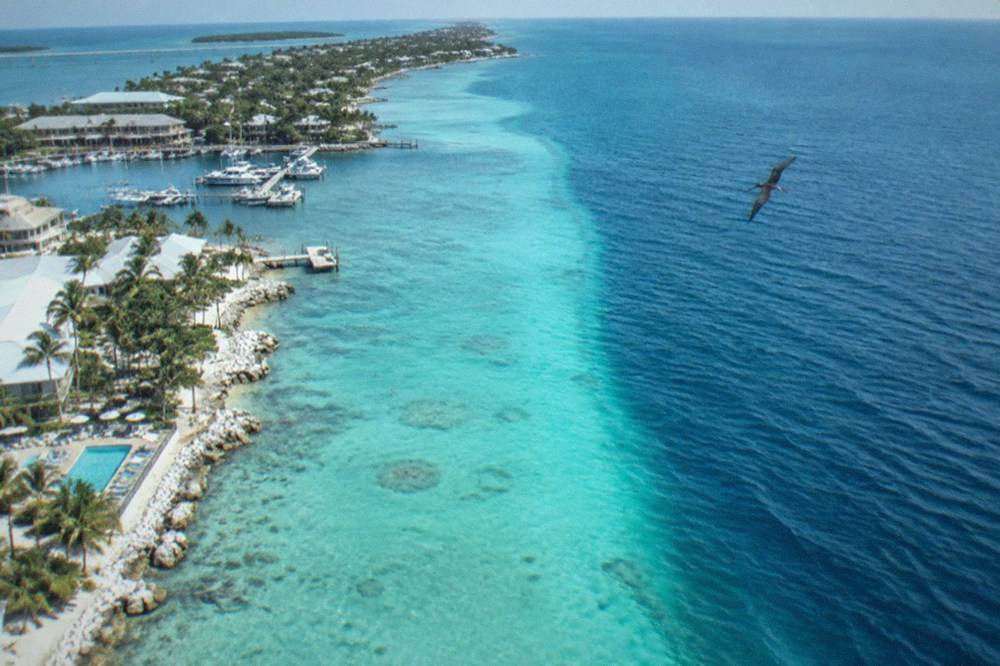
The trade-off is that Key West's deep-sea fleet is smaller and more specialized than the massive sportfishing operations in the Fort Lauderdale and Miami corridor. You won't find the same volume of tournament-grade boats or the sheer number of daily departures, but the quality of the product is high. Several Key West charters carry ratings of 4.8 or higher on hundreds of reviews, and the small-group shared trips (max six) keep the experience intimate, which is harder to find in larger ports where party boats routinely carry 40 or more anglers.
Compared to Islamorada, another Keys fishing hub, Key West offers deeper water closer to shore and a stronger pelagic bite. Islamorada's deep-sea fishing often requires a longer run to reach the same blue water, and the fleet there leans more toward reef and wreck fishing. Our comparison of Key West and Islamorada fishing digs into the differences in more detail.
What Do You Need To Know About Regulations And Licenses?
Every angler on a Key West deep-sea charter needs their own Florida saltwater fishing license, even though the captain holds a for-hire vessel license; the captain's license covers the boat's operation but does not exempt individual guests, and licenses are available for as little as $17 for a 3-day non-resident permit.
A non-resident 3-day license costs $17, a 7-day license is $30, and an annual non-resident license runs $47. These are available online through the Florida Fish and Wildlife Conservation Commission (FWC) or at local tackle shops. The charter operator will usually remind you to purchase one before the trip, but the responsibility is yours.
Beyond the license, bag and size limits apply to every species you keep. For deep-sea trips out of Key West, the most relevant rules are: mahi-mahi (Atlantic side) minimum 20 inches fork length, 5 per person per day (vessel limit of 30, not applicable to for-hire vessels); mutton snapper minimum 18 inches, 5 per person within a 10-fish snapper aggregate; yellowtail snapper minimum 12 inches, 10 per person; and grouper aggregate limit of 3 fish per person on the Atlantic side, with species-specific size minimums that commonly range from 20 to 24 inches. Grouper seasons can close by executive order, so always check the current open season on MyFWC.com before booking. Snapper regulations are detailed on the FWC snapper page.
Tarpon are catch-and-release only statewide, and any tarpon over 40 inches must remain in the water. A tarpon tag (about $50) is only required if you're pursuing a state or world record.
The Florida Keys National Marine Sanctuary also imposes no-fishing zones in Sanctuary Preservation Areas and Ecological Reserves, marked by yellow buoys. A 2025 NOAA rule expanded the sanctuary boundary and added new zones like Turtle Rocks SPA, so captains must stay current with the latest NOAA maps. For a deeper dive into the license process, see our Key West fishing license guide. If you're planning a trip, our what to bring on a Key West fishing charter guide covers the essentials, including sun protection and motion sickness remedies, while the seasickness tips guide offers practical advice for offshore days.
What's The Best Time Of Year For A Key West Deep-Sea Trip?
The best months for a Key West deep-sea charter depend on what you want to catch, but April through June and August through October deliver the widest mix of pelagic species, with mahi-mahi, tuna and wahoo all in play, and the weather is generally more stable than the winter sailfish season.
Spring (April–June) brings the first big push of mahi-mahi, along with blackfin tuna and the tail end of the sailfish run. Water temperatures rise, and the Gulf Stream is typically stable. Summer (July–August) can be hot and afternoon thunderstorms are common, but the fishing remains strong, especially for mahi and tuna. Fall (September–October) sees a second mahi migration with larger fish, and wahoo become more active. Winter (November–March) is sailfish season, with January the peak month, and blackfin tuna are reliable.
The trade-off is weather. Winter cold fronts can kick up rough seas and cancel trips, while summer afternoons often bring thunderstorms that cut trips short. Morning departures are standard year-round to beat the wind and heat. If your schedule is flexible, aim for a weekday in late April or early May, when the spring migration is in full swing and the weather is still mild.
Key West also hosts several deep-sea tournaments that draw serious offshore anglers. The Key West Sailfish Tournament runs March 26–28, the Viking Yachts Key West Challenge takes place April 8–12, and the Key West Marlin Tournament anchors the summer calendar July 22–25. These events confirm the quality of the offshore fishery, but they also mean charter availability tightens around those dates, so booking early is wise.
For a month-by-month breakdown of what's biting, our Key West fishing season calendar maps every species against the calendar. And if you're weighing a half-day versus a full-day trip, the half-day vs full-day comparison helps you decide how much time you really need on the water.
Common Questions About Key West Deep Sea Fishing
Is Key West Good For Deep Sea Fishing?
Yes. Key West's location puts the Gulf Stream within a 30- to 45-minute run, giving anglers more fishing time over deep water than ports with a wider continental shelf. The deep-sea fleet includes shared and private charters targeting mahi-mahi, tuna, sailfish, wahoo and reef species, with strong reviews across the board.
How Far Offshore Do Key West Deep-Sea Charters Go?
Most half-day trips run 5 to 18 miles offshore, reaching the Gulf Stream's edge and productive reef lines. A 4-hour private sportfisher like the deep-sea-fishing-big-fish charter can cover up to 18 miles, while shared trips typically fish within 10 to 15 miles.
Do I Need A Fishing License For A Key West Deep-Sea Charter?
Yes. Even though the captain holds a for-hire vessel license, every angler needs a personal Florida saltwater fishing license. Non-resident options include a 3-day ($17), 7-day ($30) or annual ($47) license, available online from FWC.
What's The Difference Between Shared And Private Deep-Sea Charters?
Shared charters cap at six anglers and cost per person (from $200–$250), with a mate coaching everyone. Private charters give you the boat to yourself for a flat group rate (from $1,000 for up to six), with more flexibility on target species and a more personalized experience.
When Is The Best Time To Book A Deep-Sea Trip In Key West?
April through June and August through October offer the best mix of pelagic species. Winter is prime for sailfish, but weather cancellations are more common. Morning departures are standard year-round to avoid afternoon thunderstorms.