Catch And Cook In Key West: Which Charters Fillet Your Fish And Where To Eat It
Catching your own dinner is one of the best reasons to book a Key West charter, but the trip only ends well if the fish gets filleted, legally kept, and cooked by someone who knows what to do with it. Here is how all three pieces actually work.
Short answer
The shared 64ft catamaran key-west-half-day-fishing-charter includes filleting in its $95 per person fare, and the 6-hour party boat run by Gulfstream Fishing includes bait at $69.95 per adult, with the vessel's for-hire license covering the operation but each angler still needing their own personal Florida saltwater license unless exempt. Bag limits shape dinner: yellowtail snapper allow 10 per harvester at 12 inches, mutton snapper 5 at 18 inches. Several harborfront kitchens will cook your fillets for a prep fee.
Catching a fish off Key West and eating it the same evening is a real, bookable experience, not a slogan (see Half Day vs Full Day). It depends on three separate things going right: the charter has to let you keep legal fish and ideally fillet them, the bag and size limits have to leave you with enough fillets to make a meal, and a local kitchen has to be willing to cook what you bring in. This guide walks through all three, using the actual charter roster bookable through Key West Fishing Tours and the current Florida regulations that decide what ends up on the plate.
The honest starting point: not every trip produces dinner. Tarpon, the fish many visitors most want to catch, are strictly catch-and-release statewide, so the species you target matters as much as the boat you pick. The charters below that emphasize snapper and reef fish are the ones that reliably put food on the table.
What Does Catch And Cook Mean On A Key West Trip?
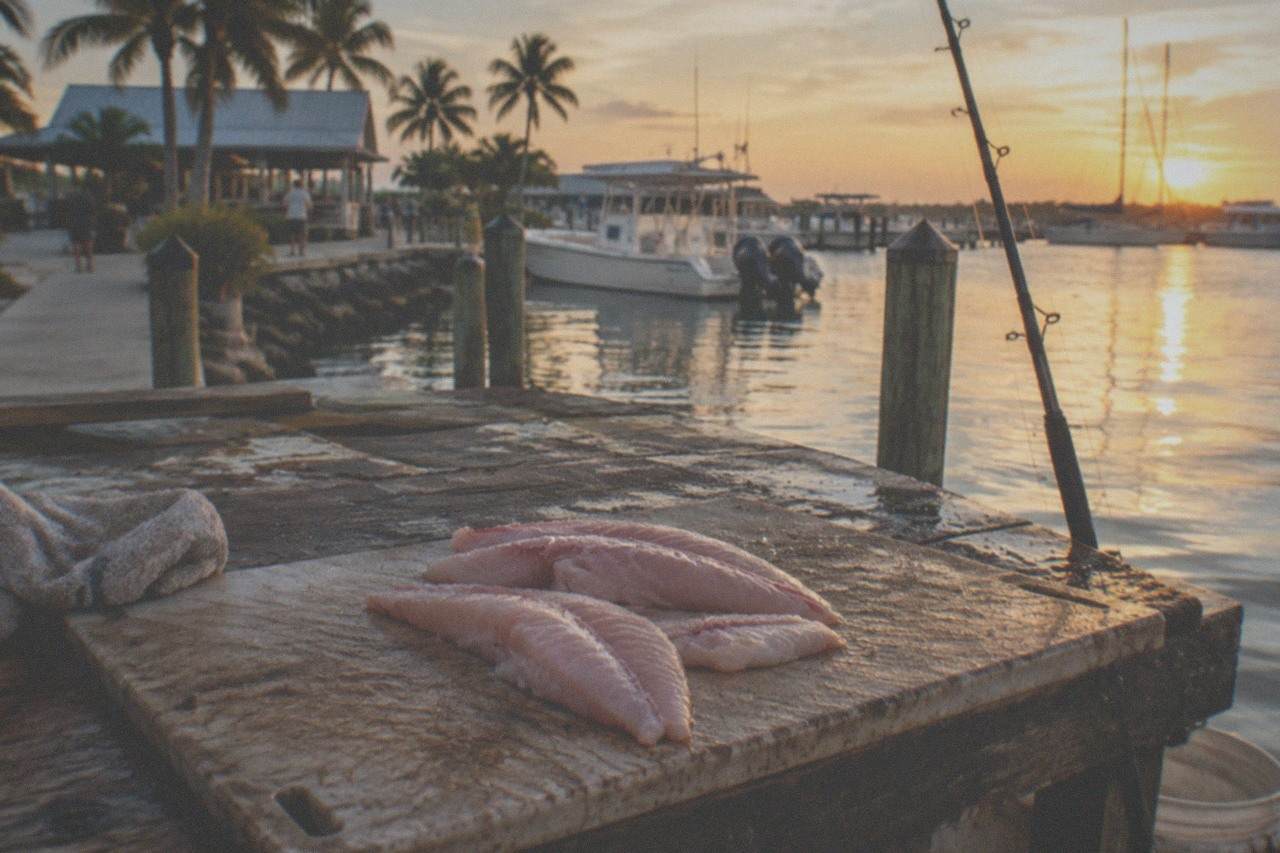
Catch and cook means you catch fish on a charter, the crew fillets your legal keepers at the dock, and a local restaurant cooks those fillets for you, usually for a preparation fee on top of the meal. It is not a single packaged product in Key West; it is a chain of three services you arrange yourself, and the fishing charter is only the first link.
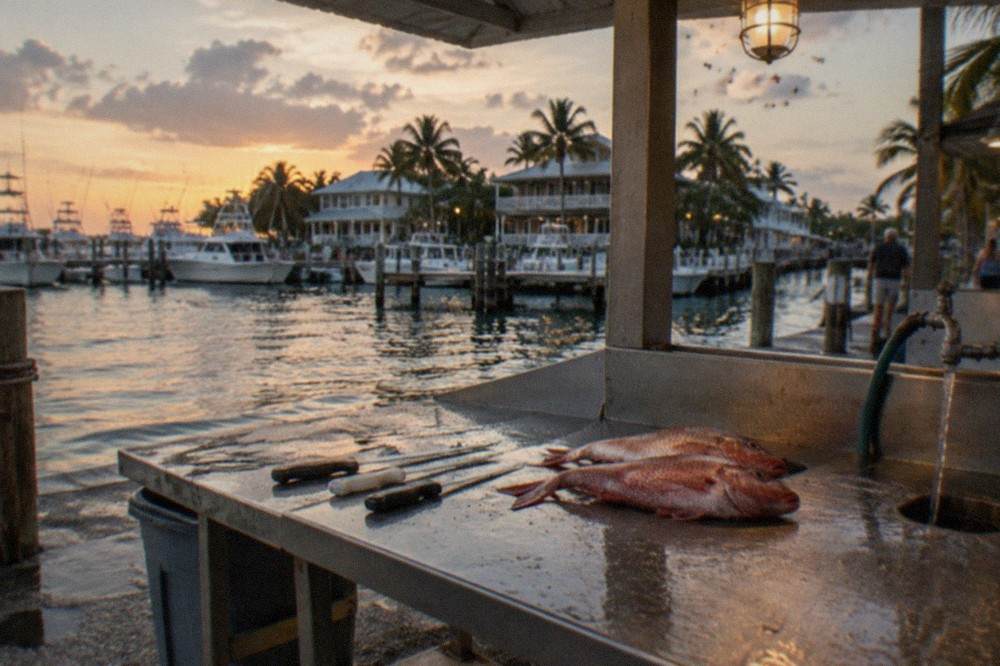
The chain breaks at whichever link you neglect. Book a trip where the crew does not fillet, and you are standing at the dock with whole fish and nowhere sensible to take them. Target the wrong species, and you release everything you hook. Show up at a restaurant unannounced with a bag of fillets at 9 p.m. on a Saturday, and the kitchen may simply say no.
Anglers report that the most reliable version of this day starts with a reef or bottom-fishing trip, since snapper and related reef species are the backbone of the Key West dinner table. The site's reef-fishing anchor product, the private sportfisher deep-sea-fishing-big-fish charter, combines deep sea and reef fishing on one four-hour trip, rated 4.8 across 114 reviews and from $1,000 per group for up to six anglers. That combination matters here: the reef half of the trip is where dinner comes from, and the offshore half is where the memory comes from.
For a fuller treatment of the reef side of the equation, see our Key West reef fishing guide, which covers the species and techniques in detail. The rest of this page stays on the logistics: who fillets, what you can keep, and who cooks.
Which Key West Charters Include Filleting?
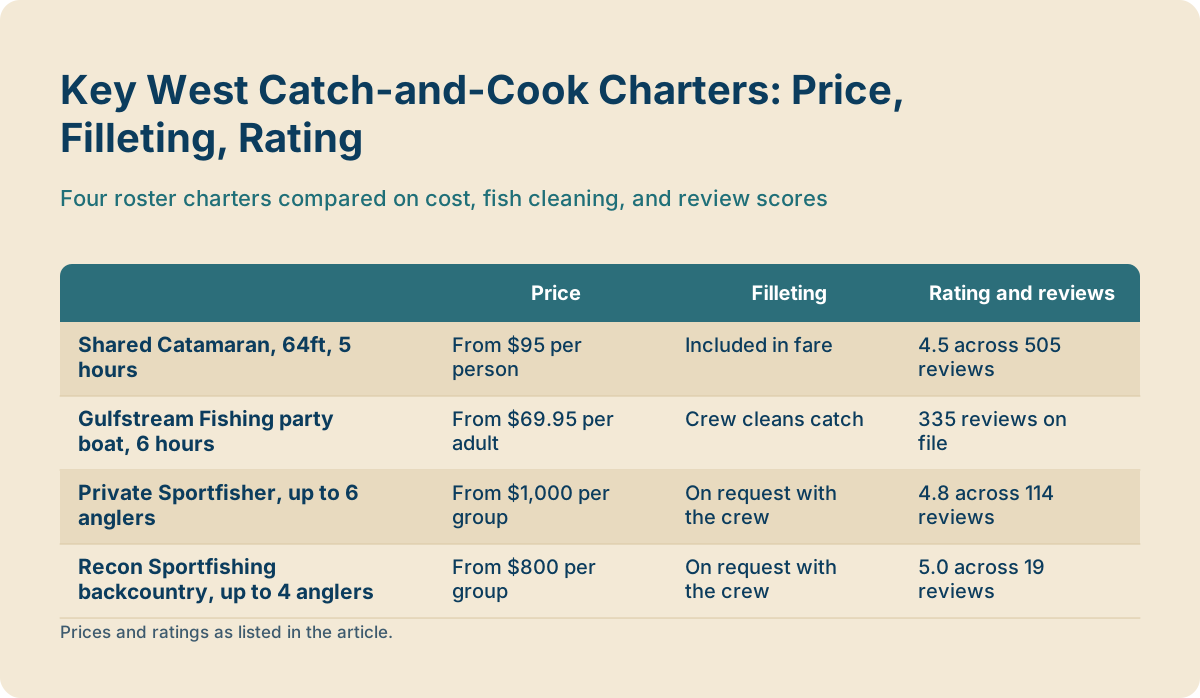
Two roster charters include filleting or fish cleaning in the trip itself: the shared 64ft catamaran key-west-half-day-fishing-charter, from $95 per person and rated 4.5 across 505 reviews, and the 6-hour party boat run by Gulfstream Fishing, from $69.95 per adult with 335 reviews on file. Most private charters will clean fish on request, but the party-boat products are the ones where filleting is written into the fare.
Filleting is the detail visitors most often overlook. On a shared boat it is a genuine service: the crew processes dozens of anglers' catch at the end of the trip, and on the catamaran charter it is bundled with the license and bait, so nothing extra changes hands at the dock. On private charters the norm is different. Captains will usually fillet keepers if asked, and tipping for that work is covered in our guide to tipping your captain and crew, but it is a conversation to have on the boat rather than an advertised inclusion.
| Charter | Format | Filleting | Price | Rating and reviews |
|---|---|---|---|---|
| key-west-half-day-fishing-charter (Shared Catamaran) | Shared party boat, 64ft catamaran, 5 hours | Included in fare | From $95 per person | 4.5 across 505 reviews |
| 6-hour-party-boat-fishing-trip (Gulfstream Fishing) | Shared party boat, up to 45 travelers, day or night | License and bait included, crew cleans catch | From $69.95 per adult, child about $42.95 | 335 reviews on file |
| deep-sea-fishing-big-fish (Private Sportfisher) | Private, up to 6 anglers, reef and deep sea | On request with the crew | From $1,000 per group | 4.8 across 114 reviews |
| half-day-backcountry-fishing-charter (Recon Sportfishing) | Private backcountry, up to 4 anglers | On request with the crew | From $800 per group | 5.0 across 19 reviews |
The price logic is worth pausing on. A private charter costs more per fillet, sometimes a lot more, but you choose the species and the crew works your fish exclusively. The party boat is the cheap date: for under $100 per person you get bait, license, rod, and cleaning, with the tradeoff that you share rails and the boat fishes where the crowd fishes. Our party boat fishing guide breaks down that tradeoff in full.
One more practical note: filleting happens at the dock, immediately, and fish do not wait well in a hot car. Plan the handoff before you board. Ask the mate where the cleaning station is, tip accordingly, and have a cooler or a plan to walk the fillets straight to a kitchen.
How Much Fish Can You Legally Keep In Key West?
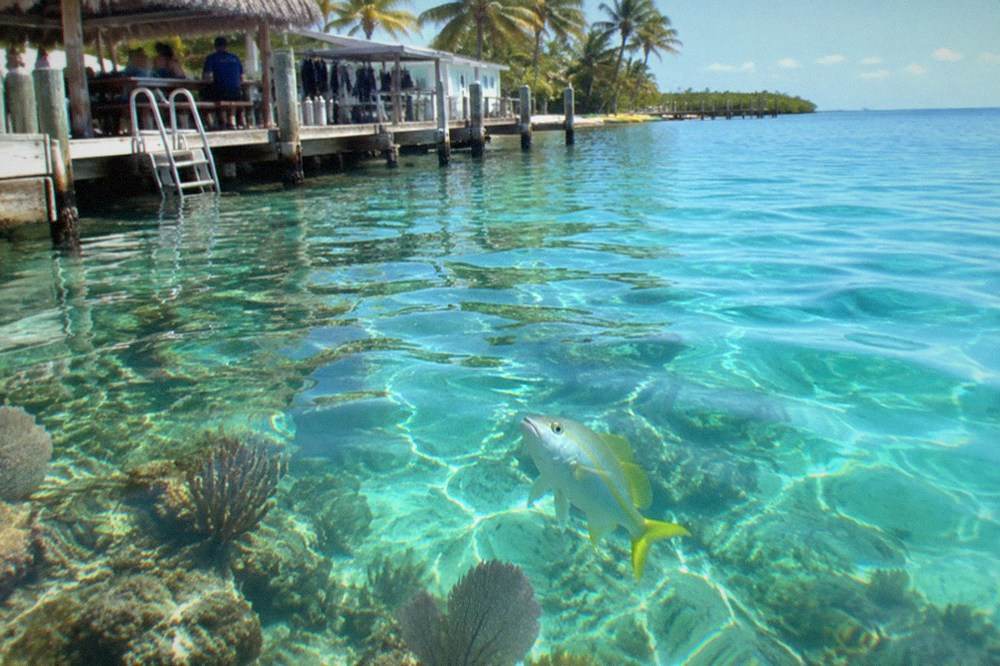
The key dinner numbers: yellowtail snapper 10 per harvester per day at a 12-inch minimum, mutton snapper 5 per harvester at 18 inches, Atlantic mahi-mahi 5 per harvester at a 20-inch fork minimum, and tarpon zero, since tarpon are catch-and-release only statewide. A 3-fish grouper aggregate applies on the Atlantic side, but grouper seasons shift by executive order, so verify the open season on MyFWC.com before counting grouper toward dinner.
These limits are per harvester, not per boat, which works in a family's favor. Four licensed anglers keeping a legal limit of yellowtail have far more fish than one dinner needs. The full rules, including the 10-fish aggregate snapper bag that yellowtail and mutton both count against, are published on the Florida snapper regulations page, and the tarpon release rule, including the requirement that fish over 40 inches stay in the water, is on the FWC tarpon page.
| Species | Daily bag per harvester | Minimum size | Dinner verdict |
|---|---|---|---|
| Yellowtail snapper | 10 (within 10-fish snapper aggregate) | 12 inches total length | Excellent, the classic Key West dinner fish |
| Mutton snapper | 5 (within snapper aggregate) | 18 inches total length | Excellent, firm and prized |
| Mahi-mahi (Atlantic) | 5 (vessel cap 30, not applicable to for-hire vessels) | 20 inches fork length | Excellent, a trophy dinner when the run is on |
| Grouper (Atlantic aggregate) | 3-fish grouper/tilefish aggregate | Commonly 20-24 inches by species | Good, but season status moves by executive order, verify first |
| Tarpon | Catch-and-release only, statewide | No harvest, fish over 40 inches stay in the water | No dinner, pure sport |
The license point deserves its own sentence, because it quietly ruins catch-and-cook plans more often than any bag limit. A licensed captain's for-hire vessel license covers the operation of the trip, not the anglers on it, so unless you qualify for an exemption, each person needs a personal recreational saltwater license. The fee schedule is on the official FWC licensing page, and our Key West fishing license requirements guide walks through the exemptions. Note that the party-boat fares may cover a license; confirm on the listing before booking, which is part of why they are the friction-free catch-and-cook choice.
Sanctuary zoning is the other invisible constraint. Florida Keys National Marine Sanctuary preservation areas and ecological reserves are no-take zones, typically marked with yellow buoys, and the 2025 boundary expansion changed several of them. The official source is the sanctuary regulations page at floridakeys.noaa.gov. You do not need to memorize the map; your captain fishes inside these rules daily. But if a crew moves off a spot that is visibly producing fish, a yellow buoy may be the reason.
If a keeper limit of snapper sounds like more dinner than you need, it is. Two legal yellowtail feed four people generously. The limits are generous because the fishery is managed to be, and the responsible version of catch and cook takes what the table needs and releases the rest.
Where Can You Get Your Catch Cooked In Key West?
Key West has a long-standing cook-your-catch tradition: harborfront and Old Town restaurants will prepare your fillets for a per-preparation fee, typically charged per fish or per plate on top of any sides and drinks you order. There is no fixed roster of participating kitchens; the reliable method is to ask your mate at the dock and call ahead, because kitchens accept fillets at their discretion and many limit it to certain hours.
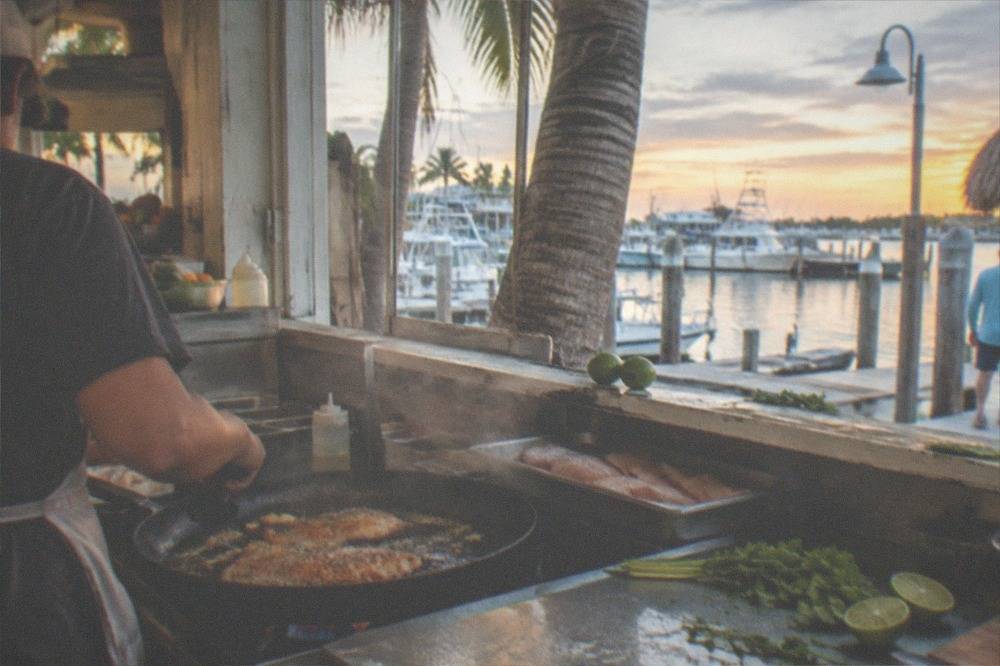
The reason to lean on the mate's recommendation rather than a search engine is freshness logistics. The mate knows which kitchens are a short walk from your dock and which take fillets at the hour you land, and the mate cleans fish for a living, so the recommendation is current. When you call, ask two questions: whether they are taking catch-your-own that evening, and how they charge, since some kitchens price per fillet and some per prepared plate.
Bring the fish already filleted, chilled, and in a sealed bag. Kitchens will not accept whole, uncleaned fish in most cases, and this is exactly why the filleting inclusion on the shared catamaran charter matters: you step off the boat with a product a restaurant can actually work with. If your trip is a private one, such as the half-day-backcountry-fishing-charter run by Recon Sportfishing, from $800 per group for up to four anglers and rated 5.0 across 19 reviews, have the conversation with the crew early so the cleaning happens before you leave the dock.
A realistic expectation-setter for the evening: the restaurant is cooking your fish, not catering your catch. The fee covers preparation, and you will still order sides, drinks, and probably dessert. The value is not financial, a dockside dinner of your own snapper costs more than the same fish from the menu would. The value is the sentence you get to say when the plate lands.
The backcountry trips produce a different dinner than the reef boats do. Tarpon, permit, and bonefish, the flats headliners, are all release-oriented species, so a backcountry catch-and-cook dinner comes from the bycatch: snapper, cobia, and the occasional shark that is legal to keep. Our backcountry and flats fishing guide explains what those trips target and when.
Which Species Make The Best Catch-And-Cook Dinner?
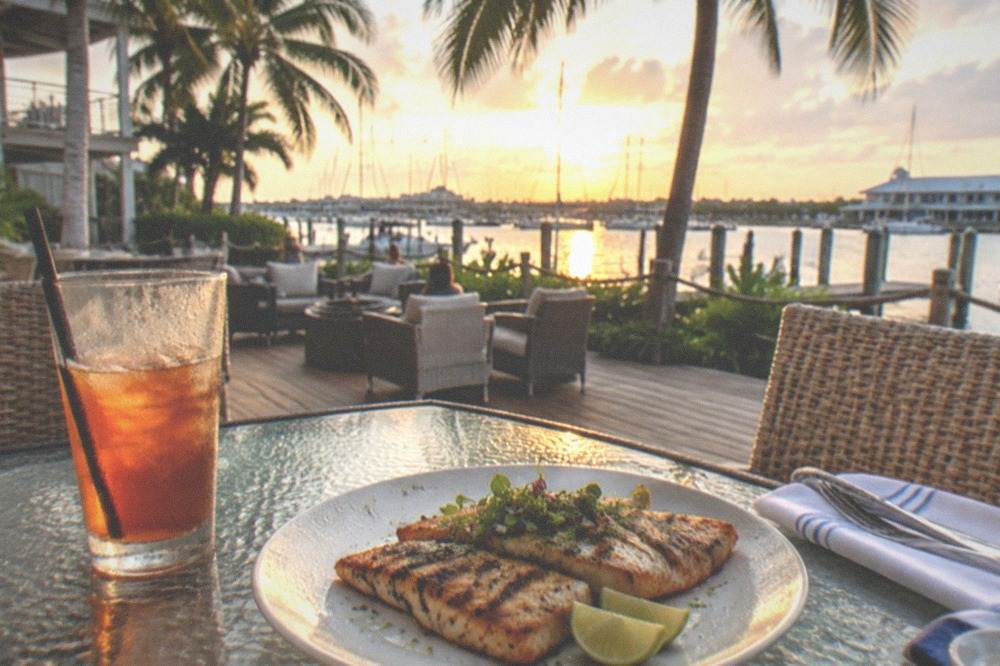
Yellowtail and mutton snapper are the best dinner fish in Key West waters: abundant, legal in real quantities, and excellent on the plate. Mahi-mahi is the premium catch-and-cook prize when the spring or late-summer runs are on. Grouper is excellent but season-dependent, and the glamour species, tarpon, permit, and sailfish, contribute nothing to dinner because they are release or sport fisheries.
| Species | Where you catch it | Roster trips that target it | Plate quality |
|---|---|---|---|
| Yellowtail snapper | Reefs, chum line | deep-sea-fishing-big-fish (reef half), party boats | Delicate, sweet, the local standard |
| Mutton snapper | Deeper reef and wrecks | deep-sea-fishing-big-fish, private charters | Firm, prized, feeds a group |
| Mahi-mahi | Offshore, blue water | 4-hour and 6-hour shared offshore trips | Excellent, a trophy dinner |
| Cobia | Backcountry and wrecks | private-inshore-fishing-charter, backcountry trips | Very good, thick fillets |
| King mackerel | Offshore trolling | shared offshore trips | Good smoked or grilled, oilier flesh |
The season shapes the menu. Mahi runs peak April through June and again August through October, with the late-summer fish often larger, so an offshore booking in those windows has the best odds of a fillet worth bragging about. The 6-hour shared offshore trip, from $250 per person and rated 4.5 across 34 reviews, runs deeper water than its 4-hour sibling and targets exactly those fish. Our fishing season by month guide maps every species to its window.
One caution that belongs in this section and nowhere else: size limits exist for biological reasons, and undersized fish go back regardless of how hungry anyone is. A 17-inch mutton snapper is a fine fight and a fine photo and not dinner. The crew will measure; let them.
What Does A Catch-And-Cook Day Actually Look Like?
A realistic day: board a morning party-boat or private charter, fish four to six hours, keep a modest legal limit of snapper or mahi, have the crew fillet at the dock, and walk the bag to a harborfront kitchen for an evening meal. Budget the full day, since a 5-hour trip that boards at 8 a.m. lands around 1 p.m., and filleting plus the walk to dinner fills the afternoon gap.
The morning is the easy part. The shared catamaran, key-west-half-day-fishing-charter, boards all skill levels for a 5-hour trip, includes license, bait, and filleting, and costs from $95 per person, rated 4.5 across 505 reviews. It is the closest thing on the roster to a purpose-built catch-and-cook trip: everything between the rail and the dinner reservation is handled.
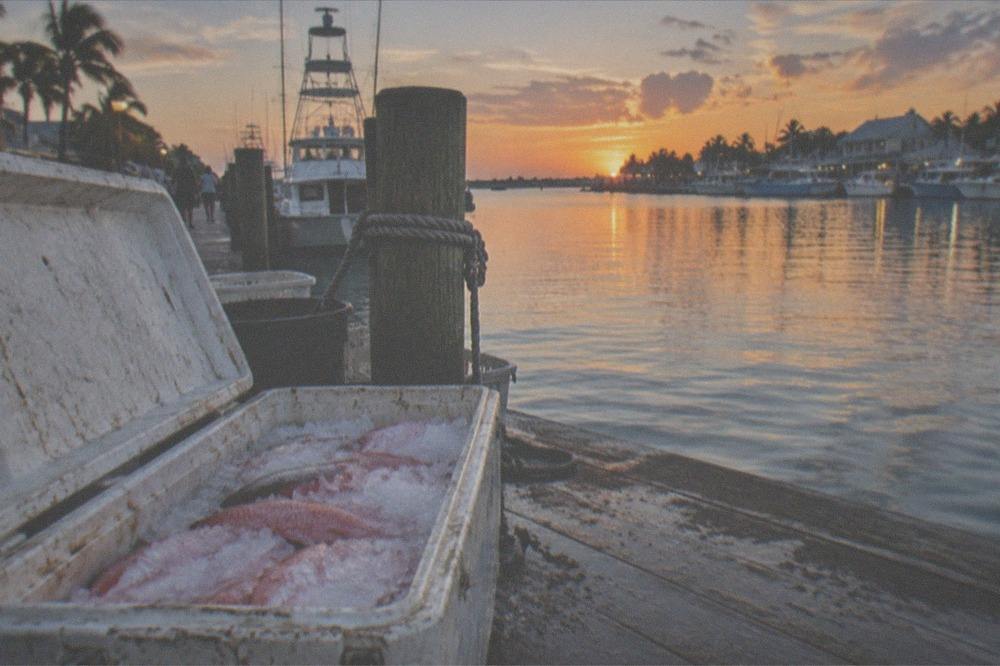
The afternoon is where planning pays. Fillets need ice immediately, and a kitchen needs warning. If your trip lands mid-afternoon, ask the mate which kitchens take walk-in catch in the early evening, and if the answer is a shrug, ask the dockmaster. The fish will keep well iced until dinner; the reservation will not make itself.
Two habits separate a good catch-and-cook day from a mediocre one. First, keep only what you will eat that night or the next day; frozen airline fillets are a worse outcome than a released fish. Second, when the crew asks whether you want the carcass, say yes if you have any ambition toward fish stock, and no if you are flying home tomorrow. Our what to bring on a Key West fishing charter guide covers the cooler question and the rest of the packing list.
Common Questions About Catch And Cook In Key West
Do Key West Fishing Charters Fillet Your Catch?
The shared 64ft catamaran charter includes filleting in its fare, and the 6-hour Gulfstream party boat includes bait, with the boat's vessel license covered, though each angler still needs their own personal Florida saltwater license. Private charters on the roster typically fillet on request; ask the crew during the trip rather than assuming, and see our tipping guide for how to handle the cleaning station.
Can You Keep The Fish You Catch In Key West?
Yes, within Florida bag and size limits. Yellowtail snapper allow 10 per harvester per day at a 12-inch minimum, mutton snapper 5 at 18 inches, and Atlantic mahi 5 at a 20-inch fork minimum. Tarpon are catch-and-release only statewide and may never go on the plate. Grouper seasons shift by executive order, so check MyFWC.com before counting on grouper.
Do I Need A Fishing License For A Key West Charter If I Want To Keep Fish?
In most cases, yes. A captain's for-hire license covers the operation of the trip, not the individual anglers, so each guest needs a personal recreational saltwater license unless exempt. Non-resident licenses cost $17 for 3 days or $30 for 7 days. The two party-boat charters on this roster bundle the license into the fare.
Where Can I Get My Fish Cooked In Key West?
Several harborfront and Old Town restaurants run a cook-your-catch service, preparing your fillets for a per-preparation fee on top of what you order. There is no fixed public roster, so the reliable approach is to ask the mate at the dock and call the kitchen ahead. Bring fillets, chilled and bagged, not whole fish.
Is Catch And Cook Worth It Compared With Just Buying Dinner?
Not on price alone. Once you add the charter fare, the license, the prep fee, and the sides, dinner costs more than the same species from the menu. The value is the experience: a legal limit of snapper or a mahi fillet you hooked yourself, cooked the same evening, is the entire point of the day.
Can Tarpon Be Eaten In Key West?
No. Tarpon are catch-and-release only in all Florida state and federal waters, with no harvest allowed, and fish over 40 inches must remain in the water. A tarpon tag, roughly $50 and limited to one per person per year, exists only for pursuing record fish, not for keeping one to eat.