Key West Reef Fishing: Snapper, Grouper, And Where Charters Can Legally Fish
Reef fishing is the most dependable fishing Key West offers, but the reef around this island is also one of the most heavily zoned stretches of water in the country. Here is what you can catch, where boats may legally drop a line, and which charters on this site actually put you over live bottom.
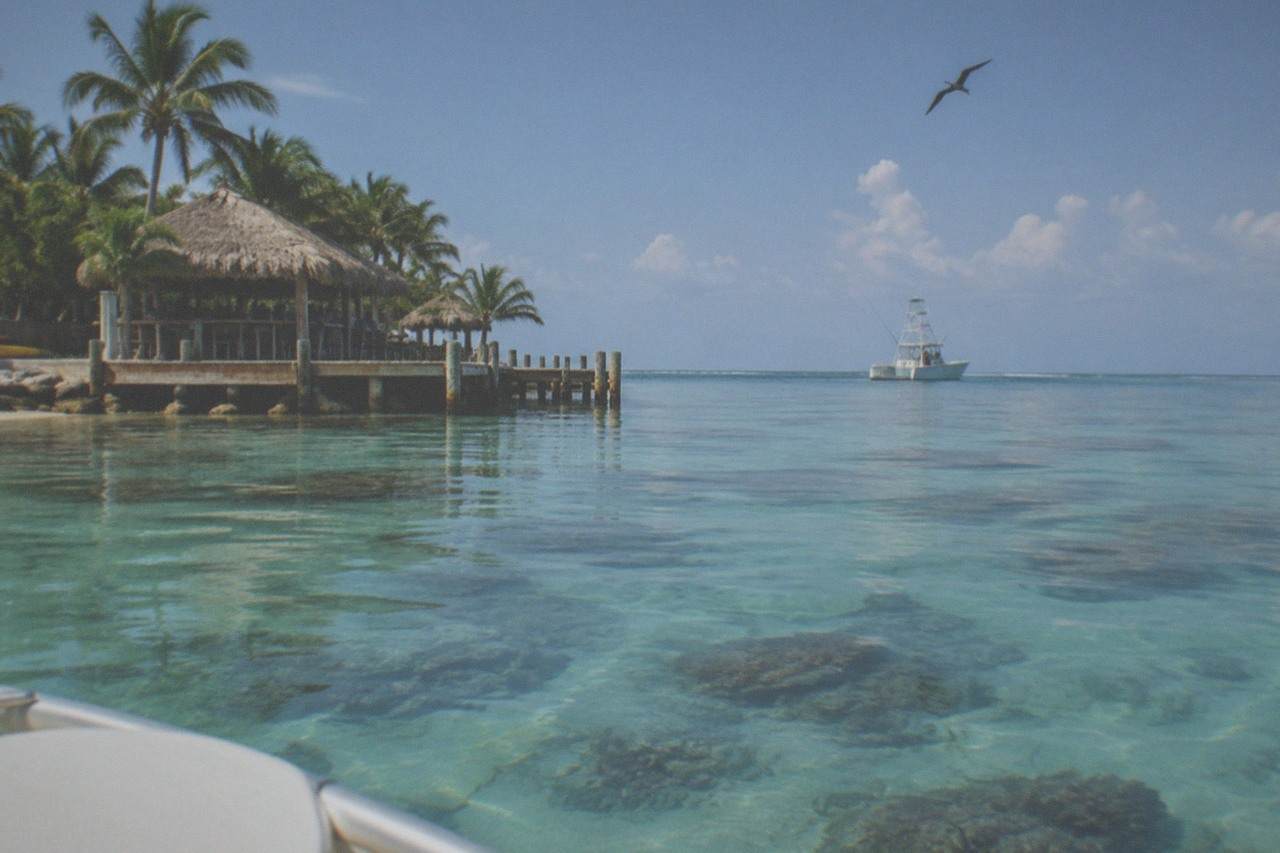
Short answer
Reef fishing around Key West means snapper, grouper, and other bottom species over live coral and wreck structure within roughly 13 miles of shore. The barrier is legal, not biological: Florida Keys National Marine Sanctuary no-take zones close large areas to fishing. The closest bookable product on this site is a private sportfisher charter that combines reef and deep-sea fishing, from $1,000 per group.
Reef fishing is the backbone of the Key West charter scene, and it is also the most misunderstood. Anglers arrive expecting to drop a line on any pretty patch of coral they see, and discover that a large share of the reef around this island sits inside a federal marine sanctuary where fishing is prohibited outright. The fish are abundant. The legal water is the hard part.
This guide covers the four things a reef trip actually turns on: what reef fishing means here, where the sanctuary lets boats fish, which bookable charters on this site get you over live bottom, and what the rules say you can keep. The nearest product to a dedicated reef trip in the current roster is the private sportfisher with fighting chair, a four-hour charter rated 4.8 across 114 reviews that runs deep-sea and reef fishing in a single trip, from $1,000 per group for up to six anglers. There is no reef-only tour on this site, and this guide explains why that is, and what to book instead.
What Is Reef Fishing In Key West?
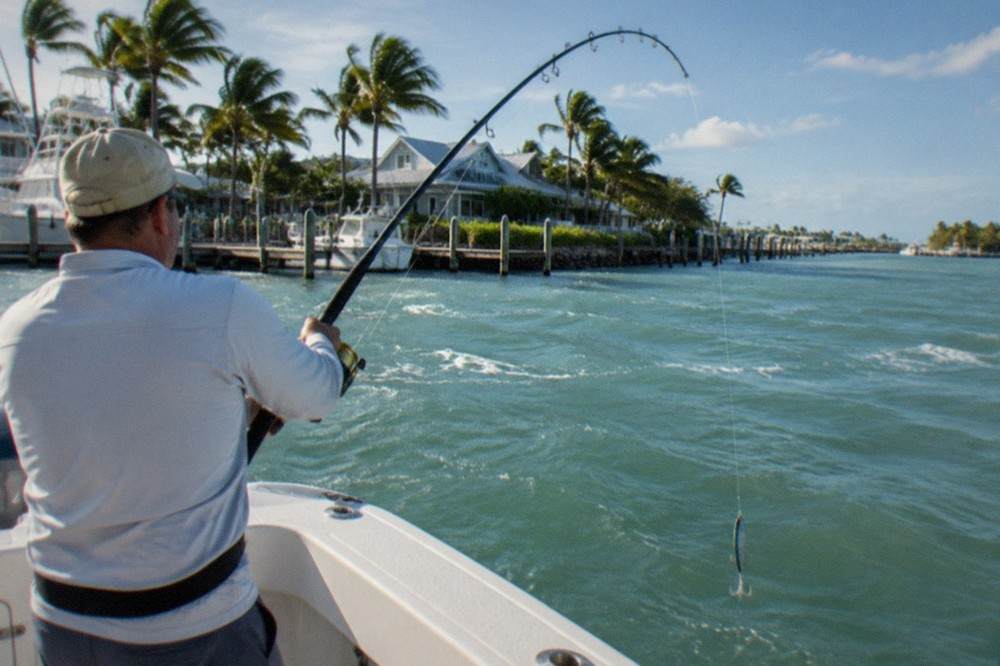
Reef fishing in Key West means bottom fishing over coral, rock, and wreck structure for snapper, grouper, and other reef species, mostly within a short run of the island. It is slower-paced than offshore trolling, does not depend on a pelagic migration showing up, and it is the format most crews can reliably produce fish on year-round. The trade-off is smaller keepers on average and a stricter legal framework than anywhere else a Key West charter fishes.
The reef in question is the southern edge of the Florida Keys reef tract, the only living coral barrier reef system in the continental United States. It runs from Miami down past Key West, and the sections nearest town hold yellowtail snapper, mutton snapper, lane snapper, porgies, and, when seasons allow, several species of grouper. Wrecks and artificial structure on the Gulf side add barracuda, jack, and snapper of their own.
The fishing itself is simple in principle. The boat anchors or drifts over structure, the crew chums to bring yellowtail up off the bottom, and anglers fish light lines with small hooks. That simplicity is why reef trips suit beginners and families better than offshore runs. A party boat like the shared catamaran that carries up to 45 anglers, rated 4.5 across 505 reviews, works the same general water at from $95 per person, and its all-levels format exists precisely because reef fishing tolerates inexperience.
What complicates the picture is ownership of the water. Nearly all of the reef near Key West lies inside Florida Keys National Marine Sanctuary, and the sanctuary is zoned. Some zones are open to fishing under state rules, some allow only catch-and-release trolling, and some prohibit taking anything at all. A charter captain's knowledge of those boundaries is not a courtesy, it is the difference between a legal trip and a federal violation.
Where Can You Legally Reef Fish Around Key West?
Large parts of the reef near Key West are closed to all fishing inside Florida Keys National Marine Sanctuary zones, including Sanctuary Preservation Areas and the Western Sambo and Tortugas ecological reserves. Charters fish the open water between and around those zones, and the zone map changed in 2025 when NOAA's Restoration Blueprint expanded the sanctuary boundary and added zones. Any boat you book should be working from current boundaries, not memory.
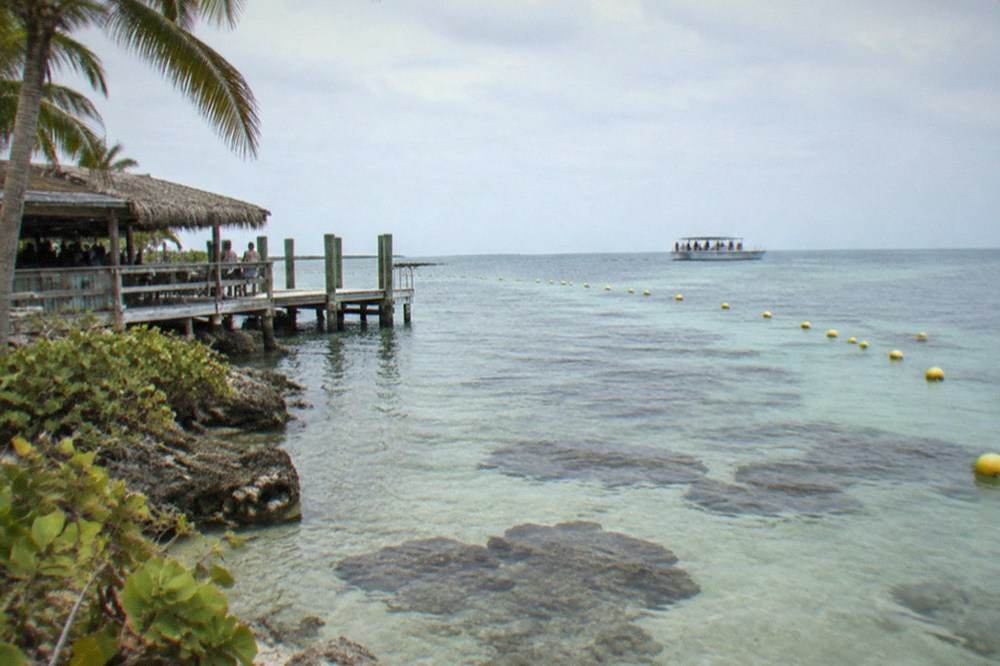
The sanctuary's zoning is the single biggest fact in Key West reef fishing, and it is the one most visitors have never heard of. Sanctuary Preservation Areas, marked on the water with yellow buoys, generally prohibit fishing by any means and prohibit harvesting or possessing any marine life inside them. Ecological Reserves such as Western Sambo, which sits a short run from Key West harbor, carry the same prohibition at larger scale. The official breakdown of every zone type is published by NOAA's sanctuary regulations page, and captains are expected to know it cold.
The zoning is not static. A January 2025 NOAA final rule, the Restoration Blueprint, expanded the sanctuary boundary and added or adjusted several zones, including a new Turtle Rocks Sanctuary Preservation Area. Some anchoring restrictions inside preservation areas phase in through 2027. For an angler this means an area a guide fished five years ago may legally be closed now, which is a good reason to choose established operators rather than the cheapest listing you can find.
The practical geography for a reef trip out of Key West is this: the boat runs to open reef patches and wreck structure outside the marked no-take zones, often within 13 miles of the island. The private backcountry charter run by Recon Sportfishing, for example, advertises fishing within 13 miles of Key West for tarpon, snapper, cobia, and barracuda, from $800 per group for up to four anglers, rated 5.0 across 19 reviews. That kind of near-shore range is typical, and it is a direct consequence of the zoning: the productive open water is close, but the captain has to know exactly where the lines fall.
State rules stack on top of sanctuary rules. Florida state waters run to 3 nautical miles on the Atlantic side and 9 on the Gulf side of the Keys, and beyond that federal rules apply, which matters for species like grouper where state and federal seasons do not always match. The sanctuary layer is what makes the Keys unusual: a spot can be legally fishable under state law and still closed by zone. When in doubt, the sanctuary's own Marine Sanctuary Explorer map is the reference captains use, and asking a crew where the nearest no-take boundary sits is a fair question at the dock.
Which Charters Actually Fish The Reef?
No tour on this site is a reef-only product. The closest bookable option is the private sportfisher charter that combines deep-sea and reef fishing in one four-hour trip, from $1,000 per group for up to six anglers. Beyond that, reef-style bottom fishing shows up inside the shared party boat and shared offshore products, and near-shore private charters reach snapper on the Gulf side. Choosing well means matching the reef priority to the right format.
The roster gap is worth stating plainly, because it reflects the real market. Operators here sell reef fishing as a component of a trip, not as a standalone product with its own listing. The private sportfisher is the clearest case: its listing describes deep sea and reef fishing together, up to 18 miles offshore, with outriggers, a fighting chair, and a live bait tank, rated 4.8 across 114 reviews. That is the product to book when reef species are the goal and you want a private boat doing it.
For shared formats, the 64ft party catamaran is the value option. It runs a five-hour trip with license, bait, and filleting included, rated 4.5 across 505 reviews, from $95 per person, and party boats in Key West historically work reef and wreck structure because it suits mixed skill levels and steady action. The four-hour shared offshore trip, from $200 per person with a maximum of six travelers, targets mahi, tuna, and kingfish in deeper water, but small-group offshore runs out of Key West commonly pick up bottom fishing when the pelagic bite is slow. It is rated 4.0 across 32 reviews.
On the private near-shore side, two backcountry products reach reef-adjacent structure. The private bay boat charter with live bait included, from $800 per group and rated 5.0 across 14 reviews, targets tarpon, permit, cobia, snapper, and shark from a 24ft Pathfinder. The half-day inshore private charter, from $750 per group and rated 5.0 across 72 reviews, trolls backcountry channels for tarpon, shark, and snapper with all tackle provided. Neither is a reef trip in the strict sense, but both put snapper in the box on water that is legal to fish.
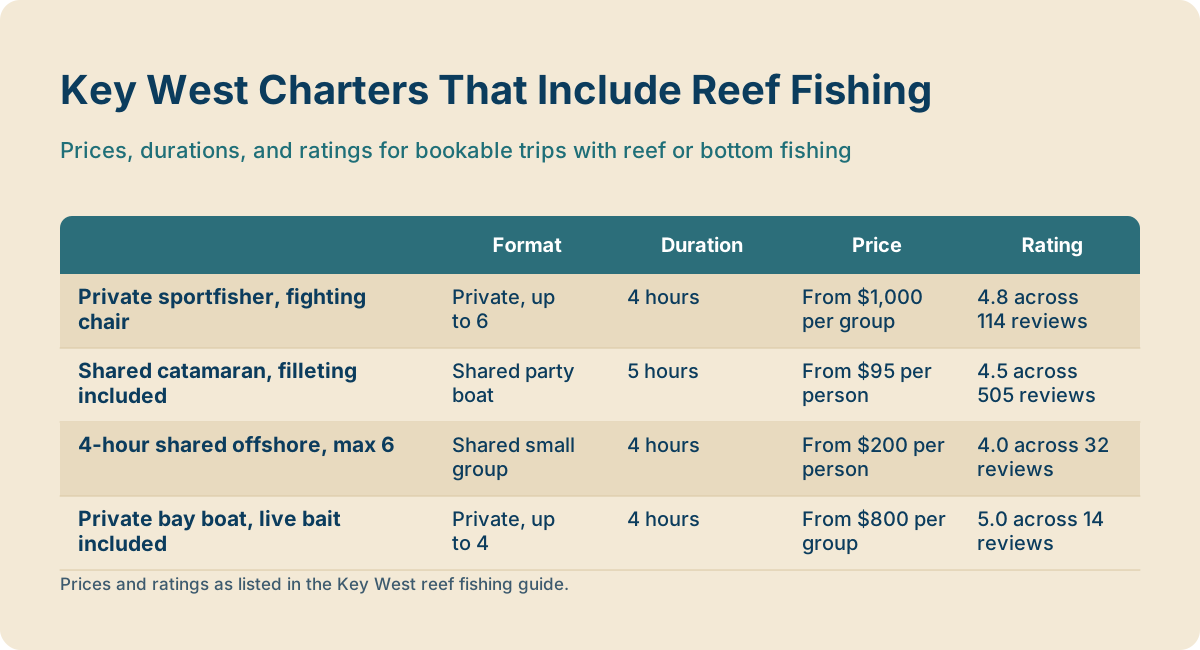
The comparison below puts the reef-relevant options side by side.
| Charter | Format | Reef relevance | Duration | Price | Rating |
|---|---|---|---|---|---|
| Private sportfisher, fighting chair | Private, up to 6 | Deep sea and reef fishing in one trip | 4 hours | From $1,000 per group | 4.8 across 114 reviews |
| Shared catamaran, filleting included | Shared party boat | Reef and wreck structure, all levels | 5 hours | From $95 per person | 4.5 across 505 reviews |
| 4-hour shared offshore, max 6 | Shared small group | Offshore first, bottom fishing as backup | 4 hours | From $200 per person | 4.0 across 32 reviews |
| Private bay boat, live bait included | Private, up to 4 | Near-shore snapper among other targets | 4 hours | From $800 per group | 5.0 across 14 reviews |
One honest caution about the word "reef" in listings: some operators use it loosely to mean any bottom fishing, including Gulf-side wrecks and rubble that never touches coral. If fishing over the actual barrier reef matters to you, ask the crew before booking whether the trip runs Atlantic-side reef, Gulf wrecks, or both. A captain who answers that question in detail is telling you something about how they run their boat.
What Species Can You Catch On The Key West Reef?
The core reef catch is snapper and grouper: yellowtail snapper at 12 inches minimum and 10 per harvester per day, mutton snapper at 18 inches minimum and 5 per harvester per day within the 10-fish snapper aggregate, and grouper under a 3-fish aggregate on the Atlantic side with seasons that shift by executive order. Tarpon are strictly catch-and-release statewide. Limits are per person, not per boat, and captain and crew often have zero bag limits.
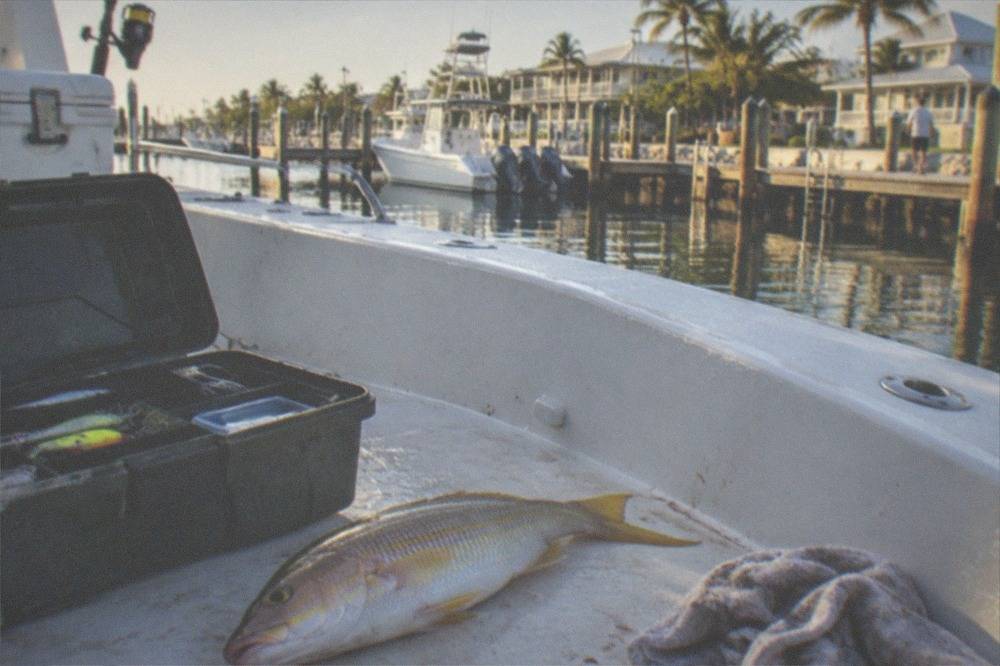
Yellowtail snapper are the bread and butter of a Key West reef trip. They run in schools over the reef edge, they respond well to chum, and they are excellent eating. The state rules are straightforward: a 12-inch minimum total length and 10 per harvester per day within the 10-fish snapper aggregate, per the Florida snapper regulations. Mutton snapper are the prized table fish of the same water, bigger and harder fighting, with an 18-inch minimum and 5 per harvester per day.
Grouper is where reef fishing gets legally complicated. Atlantic-side waters, which include all Monroe County state waters, generally use a 3-fish per harvester per day grouper and tilefish aggregate, with minimum sizes commonly 20 to 24 inches depending on species. But several grouper species have closed seasons, and those seasons are set and moved by executive order. The honest advice is to check the current open season on MyFWC.com before booking rather than trusting any fixed date range, because gag seasons in particular have shifted repeatedly. A reef trip in a closed season still produces catch-and-release grouper action, but nothing goes home.
Tarpon deserve a special note because several charters on this site, including the Ramrod Key flats charter from $1,595 per group, target them, and the rule is absolute: tarpon are catch-and-release only statewide, in both state and federal waters. Fish over 40 inches may not be removed from the water, and a tarpon tag, roughly $50 and one per person per year, is required only if you are pursuing a state or world record. The full rule set lives on the FWC tarpon page. Any listing that implies you can keep a tarpon is one to walk away from.
| Species | Minimum size | Daily bag limit | Notes |
|---|---|---|---|
| Yellowtail snapper | 12" total length | 10 per harvester | Within 10-fish snapper aggregate |
| Mutton snapper | 18" total length | 5 per harvester | Within the same aggregate |
| Grouper (Atlantic side) | Commonly 20-24" by species | 3-fish grouper/tilefish aggregate | Seasons shift by executive order; check MyFWC.com |
| Mahi-mahi (Atlantic side) | 20" fork length | 5 per harvester | Vessel cap of 30 does not apply to for-hire boats |
| Tarpon | No minimum | Catch-and-release only | Over 40" must stay in the water |
Around the snapper and grouper, a reef trip commonly picks up porgies, grunts, lane snapper, and the occasional cero mackerel, which anglers on the afternoon private deep-sea charter run by Drop Off Sportfishing report catching alongside mahi. That charter is priced per person, from $54 to $156 depending on how full the group is, and is rated 5.0 across 18 reviews. Barracuda and jack add sport on light tackle when the table fish go quiet.
When Is The Best Season For Reef Fishing?
Reef fishing runs year-round in Key West, which is its main advantage over offshore trips that hinge on migrations. Yellowtail snapper hold on the reef in every month, mutton snapper show strong action across most of the calendar, and grouper action depends on open seasons more than on fish availability. The seasonal variable that matters most is weather: winter fronts rough up the shallower reef patches, while summer brings calmer water and afternoon heat.
The year-round reliability comes straight from the charter calendars. Mutton snapper are listed as prime in January, April through October, and other months besides, and yellowtail are listed as prime in January, May, November, and December with consistent reef action the rest of the year. Grouper appear as prime across most of the calendar when harvest is open. Compare that to mahi, which run strongest April through June and again August through October, or sailfish, which peak November through March, and the reef's appeal to a visitor booking on short notice is obvious.
Winter does change the trip. Cold fronts out of the north kick up the Atlantic-side reef, and boats often shift to Gulf-side wrecks or the backcountry on those days, which is one reason the inshore private charters stay busy in winter. Summer brings the calmest reef water but also the strongest sun; morning departures are the norm, and a four-hour format is long enough to fish hard without cooking. The shared catamaran's five-hour trip splits the difference.
For anglers who want the reef catch to coincide with something bigger, spring is the overlap window. April and May bring the tarpon migration through the same near-shore water, with peak adult occupancy in May as water temperatures reach 79 to 82 degrees, and permit run strong March through July. A private charter in that window can legitimately fish the reef in the morning and roll tarpon or permit on the way home, which is roughly what the combined deep-sea-and-reef sportfisher product does by design.
Tournament weeks are worth knowing about even if you never enter one, because they concentrate boat traffic and dock demand. The March Merkin permit tournament runs March 9 to 12, 2026, the Key West Sailfish Tournament March 26 to 28, and the Key West Marlin Tournament July 22 to 25. None of these target reef snapper, but marina traffic and hotel prices around those dates affect everyone booking a charter that week.
Reef Fishing Or Deep Sea Fishing: Which Should You Book?
Book reef-focused bottom fishing if you want steady action, table fish, and a trip that works for mixed abilities and shorter time frames. Book deep sea if you want pelagic sport fish like mahi, tuna, and sailfish and accept a longer run and more variable results. In Key West the practical answer is often the combined trip: the private sportfisher format runs reef and offshore structure in one four-hour charter, so you are not forced to choose.
The honest comparison is about variance. A reef trip has a high floor and a low ceiling: you will very likely catch snapper, and you will very likely not catch anything over 15 pounds. An offshore trip has the opposite profile: the mahi run can be spectacular in season, and it can also be a long boat ride. First-time visitors with kids or a half-day budget are usually happier on the reef side of that trade, which is why the party boat format, from $95 per person, is one of the most booked products in town.
| Factor | Reef-focused trip | Deep sea trip |
|---|---|---|
| Typical catch | Snapper, grouper, porgies, jack | Mahi, tuna, kingfish, sailfish |
| Reliability | High, year-round | Seasonal and weather dependent |
| Boat ride out | Short, often under 13 miles | Longer runs, up to 18 miles or more |
| Skill needed | Low, good for beginners | Moderate, more coaching involved |
| Best format | Party boat or private sportfisher | Shared offshore or private sportfisher |
| Keepers for the table | Reliable | Good in season |
The combined private sportfisher deserves its place as this site's reef anchor for a structural reason, not just a rating reason. Because no reef-only product exists in the current bookable roster, the charter that legally and logistically covers the reef while also offering the offshore option is the one that serves a reef-minded reader best. Its 4.8 rating across 114 reviews is the deepest review pool of any private offshore product on this site, and its from $1,000 per group price for up to six anglers splits well for a family. If your group's real priority is a freezer bag of snapper fillets, say so to the captain at booking; crews on private charters routinely weight the day toward the reef when asked.
For more on the offshore side of the comparison, see the Key West deep sea fishing guide, and for the shallow-water alternative, the Key West backcountry and flats fishing guide covers tarpon, permit, and bonefish water. If you are still deciding between formats generally, the private charter versus party boat comparison walks through the trade-offs in detail.
What Does A Reef Fishing Trip Cost In Key West?
Reef-capable fishing trips in Key West range from $69.95 per adult on a six-hour party boat to $1,595 per group for a private flats charter, with most reef-relevant options falling between $95 and $1,050. Shared trips price per person while private charters price per boat, so a private charter for four can cost less per person than a shared trip for two once the group is full.
The per-person products are the entry point. The six-hour party boat run by Gulfstream Fishing, from $69.95 per adult and about $42.95 per child, is the cheapest fishing in the roster, day or night departures, with 335 reviews on file. The five-hour shared catamaran at from $95 per person adds filleting. The four-hour shared offshore trip at from $200 per person and the six-hour shared version at from $250 per person cap the group at six travelers and add coaching.
| Product | Price basis | Price | Group size |
|---|---|---|---|
| 6-hour party boat, day or night | Per adult | From $69.95 | Up to 45 travelers |
| Shared catamaran, filleting included | Per person | From $95 | Shared |
| 4-hour shared offshore, max 6 | Per person | From $200 | Max 6 |
| 6-hour shared offshore, max 6 | Per person | From $250 | Max 6 |
| Private inshore, channel trolling | Per group | From $750 | Private |
| Private sportfisher, reef and deep sea | Per group | From $1,000 | Up to 6 |
| 45ft Cowgirl, AC cabin | Per group | From $1,050 | Private |
One private product prices in an unusual way that is easy to misread. The afternoon private deep-sea charter from Drop Off Sportfishing is listed from $54 per person, but that figure scales with group size across a $54 to $156 per-person range, falling as the group fills toward six. Read it as a per-person range, never as a flat rate, or you will misjudge it against the per-group charters.
Beyond the ticket price, budget for the things the ticket does not always cover. A Florida saltwater fishing license is required for each angler even on a charter, because a captain's for-hire vessel license covers the operation of the trip, not the individual guests. Non-resident licenses run $17 for three days, $30 for seven days, or $47 for the year, per the official FWC license page. Some charters include a license in the fare and some do not, so confirm before booking; the Key West fishing license requirements guide covers the details. Add gratuity for the mate, which is standard on for-hire boats, and any filleting fee where it is not included.
Planning A Reef Trip That Stays Legal And Fun
A reef trip goes well when three things line up: an operator who states target species and range honestly, a fare whose inclusions you confirmed before the dock, and a current check of grouper seasons and sanctuary zone boundaries the week you travel. None of these costs money, and all three are within your control as the person booking. The crews on established products know the boundaries because their livelihoods depend on them.
Book with operators who state their target species and their range honestly, ask where the trip fishes relative to the sanctuary zones, and confirm what the fare includes before you are at the dock. The crews on the established products in this roster, from the 45ft Cowgirl Hatteras that has operated since 1965 to the party boats that run daily, know the boundaries because their livelihoods depend on them.
Match the trip to your group honestly. A party boat at from $95 per person is the right call for a family that wants fish and a story; a private sportfisher at from $1,000 per group is the right call when the reef is the point and you want the captain's attention on your lines. The sites behind this one, Key West Fishing Tours, exist to make that matching easier with real prices and real review counts rather than marketing copy, and this guide's numbers come from the same verified roster.
Whatever you book, check the current grouper season and the sanctuary zone map the week you travel. Seasons move by executive order and zone boundaries are still being phased in from the 2025 rule. Five minutes on MyFWC.com and the sanctuary's regulations page is the cheapest insurance a reef trip has.
Common Questions About Key West Reef Fishing
Can You Fish The Coral Reef In Key West?
Only in the parts of the reef that sit outside Florida Keys National Marine Sanctuary no-take zones. Sanctuary Preservation Areas and ecological reserves such as Western Sambo prohibit fishing by any means. Charters legally fish the open reef patches, wrecks, and boundary water between zones, which is why knowing the zone map is part of a captain's job.
What Fish Can You Keep Reef Fishing In Key West?
Yellowtail snapper at 12 inches minimum and 10 per harvester per day, mutton snapper at 18 inches minimum and 5 per day within the 10-fish snapper aggregate, and grouper under a 3-fish Atlantic-side aggregate when the season is open. Tarpon are catch-and-release only statewide. Confirm current limits on MyFWC.com before your trip.
Do You Need A Fishing License On A Key West Charter?
Yes. A licensed captain's for-hire vessel license covers the operation of the trip but does not exempt individual guests from holding their own recreational saltwater license. Non-resident options are $17 for three days, $30 for seven days, or $47 annually. Some charters include a license in the fare, so check the listing.
Is There A Reef-Only Fishing Charter In Key West?
No reef-only product appears in this site's verified roster of 12 bookable charters. Reef fishing is sold as a component of trips, most directly on the private sportfisher that combines deep-sea and reef fishing in one four-hour charter from $1,000 per group, and on party boats that work reef and wreck structure.
When Is The Best Time Of Year For Reef Fishing In Key West?
Reef fishing runs year-round, which is its main advantage. Yellowtail and mutton snapper show prime action across most of the calendar. Winter fronts can rough up Atlantic-side reef water and push boats toward Gulf wrecks, while summer brings the calmest conditions and morning departures.
What Is The Cheapest Way To Go Reef Fishing In Key West?
The six-hour party boat at from $69.95 per adult is the least expensive option, followed by the five-hour shared catamaran at from $95 per person with bait and filleting included. The vessel operates under the captain's for-hire license, but that does not exempt individual anglers, so plan on your own Florida saltwater license. Both are shared formats. The cheapest private reef-capable trip is the half-day inshore private charter at from $750 per group.